

Where Aprons Learned Their First Creases
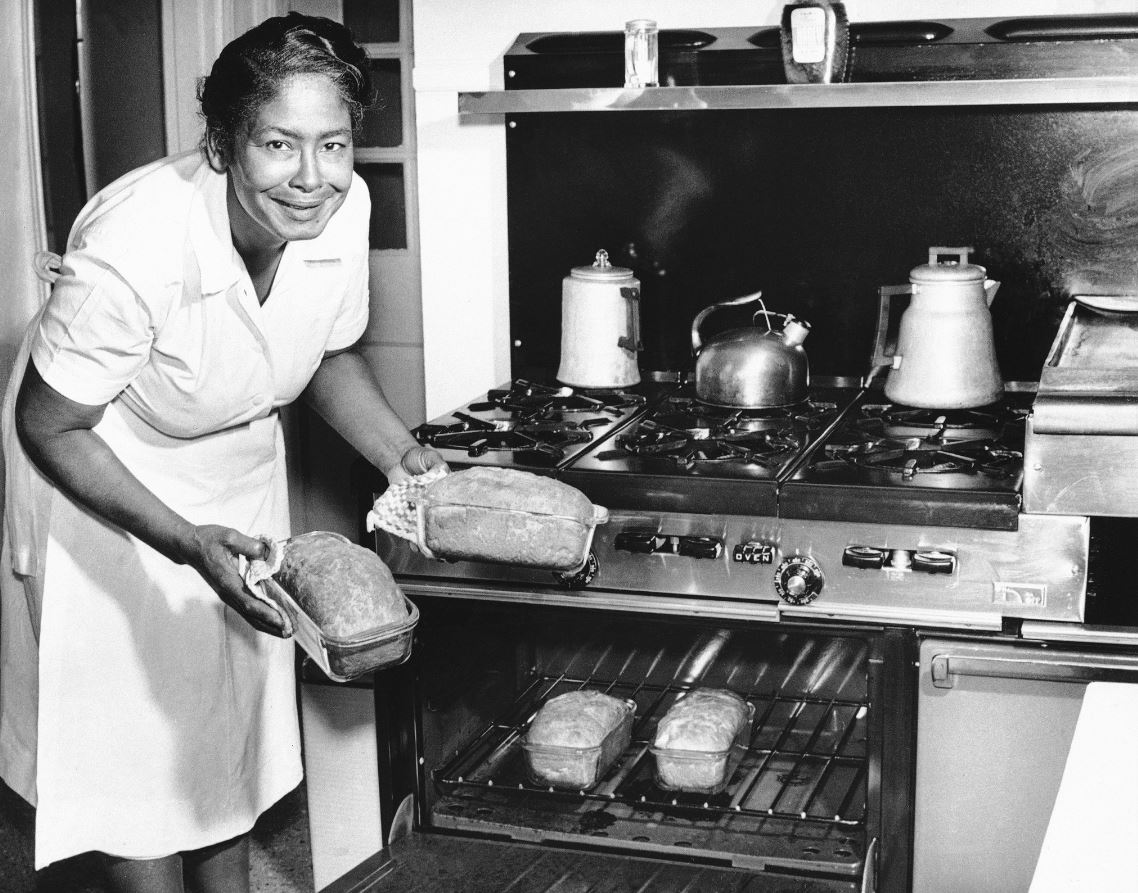
Stories, skills, and scrapes from the early rooms that made chefs fall in love with the line
The Door That Swung on a Morning Shift
Every career begins with a threshold, and for many chefs the first kitchen door felt heavy yet inviting, a slab of wood that snapped shut behind them and separated ordinary time from a bright world of steam and shouted tickets, where new hands learned to move without colliding and a heartbeat began to match the click of the burners.
Knives Borrowed Before Knives Bought
First stations rarely came with perfect tools, so beginners borrowed pitted blades and dulled paring knives, then learned to sharpen on stones that had seen countless edges, and in those early mornings they discovered that care for a tool teaches care for ingredients, because the onion under a true edge releases scent like a promise kept.
Prep Lists Written in Hope and Panic
The first prep list looks simple until the clock starts, peel this, dice that, blanch those, cool quickly, label cleanly, and then stack the containers with discipline, because a rookie learns fast that disarray grows into chaos at service, while tidy boxes become a lifeline when orders hit in quick succession and hands must find everything blind.
Mise en Place and the First Lesson in Calm
Chefs remember the moment mise stopped being a phrase and became a feeling, a sense that the station breathed with them, towels folded, pans nested, salt within reach, spoons lined like soldiers, and in that quiet half hour before lunch rush they understood that preparation is not decoration, it is armor that keeps anxiety away.
The Station That Felt Too Big
Early lines stretch wider than the arms of a beginner, so rookies overreach and spill, then adjust to a tighter dance, small steps, planted stance, turn with the hips not the wrists, and slowly the space shrinks to a circle that fits the body, and muscle memory writes a gentle map that makes every movement smaller and smarter.
First Burns and the Map of Respect
A kitchen teaches through marks as well as words, and the first burn always surprises, a quick kiss from a pan handle or a lazy brush against an oven rack, and the sting becomes a teacher, use a dry towel, check angles, call out behind, and from then on respect for heat grows into a kind of grace.
Learning to Taste Without Asking for Permission
Many young cooks hesitate to taste for fear of wasting or offending, until a mentor taps a spoon against a pot and says taste and know, because seasoning is not a guess, it is a habit, and from that afternoon forward the apprentice carries a pocket spoon and listens to the food with the mouth as well as the mind.
The First Family Meal That Felt Like Belonging
Shift meals hold memory because they declare membership, a big tray of rice or a pot of stew set on a low shelf, the crew circling for five shared minutes, telling stories that thread across accents and ages, and the new cook hears laughter mix with the rattle of pans and decides that this room can be home.
Tickets That Arrived Too Fast
Service begins politely and then accelerates without warning, five tickets, eight tickets, a board filled with lines that look like a foreign language, and the first time a cook drowns they learn to breathe differently, short lists in the head, two fish down, three steaks mid, risotto walking, and with each call the fear shrinks because order grows where panic once lived.
The Voice on the Pass
The chef on the pass sets the meter for the whole crew, crisp words for timing, gentle words for correction, and a glance that can steady a rookie faster than a lecture, and that style of leadership imprints more strongly in first kitchens than any recipe because tone lives longer than technique.
Dishwashers as Secret Professors
In many origin stories the dishwasher knows the strongest truths, keep the cycle moving, scrape first, stack right, respect the machine, and say thank you, since nothing travels to a table without a clean plate and nothing returns to the line without a clear path, and rookies learn that real speed begins in the pit.
First Markets and the Lessons of Dawn
Mentors bring new cooks to markets when streets are quiet and the stalls smell of earth and sea, and there the lesson arrives before words, choose fish with bright eyes, choose greens that snap, choose fruit that speaks when touched, and pay the person who grew it with attention as well as cash because the plate begins here.
Heat Management and the Dial That Lies
Early cooks cling to numbers and dials, until they realize that heat is felt, not guessed, pans whisper when ready, oil shimmers when willing, sugar colors in shades of hay before amber, and the day a beginner stops looking at settings and starts watching surfaces is the day the stove becomes a partner rather than a trap.
Salt, Acid, and the Moment a Sauce Woke Up
First kitchens teach with small miracles, a flat sauce that gains life from a pinch of salt and a squeeze of lemon, a dull soup that brightens when vinegar brushes the rim of the pot, and a young cook tastes that lift and understands that balance is not philosophy, it is physics with flavor, and it is learned by doing.
Inventory Night and the Mathematics of Flavor
Counting boxes after close feels thankless until it reveals a map of the week, too many herbs, not enough cream, grains rising faster than proteins, and the math begins to speak, build staff meal with what runs high, write specials that rescue what runs low, and protect cash by protecting produce, because food cost is a story told in numbers and scraps.
The Chef Who Taught by Doing
First mentors shape hands as much as minds, showing rather than explaining, whisk like this, cut at this angle, stand here so the oven door misses your knee, and the apprentice copies posture before understanding principles, then one day realizes that the body knows what the brain cannot yet phrase, and gratitude settles like warmth.
Pastry Corners and the Patience of Sugar
Some first kitchens gave rookies a turn with doughs and syrups, and that corner taught a different clock, one that refuses rush, rest the dough until it forgives you, cool the custard until it sighs, fold air gently because air is structure, and those rules make the rest of the line kinder because precision whispers where fire often shouts.
Learning to Move as a Team
The first time two stations save each other becomes a private holiday, a grill cook flips a steak while the saute cook pulls a pan for them, a garde manger hand shaves herbs for the hot side without being asked, and the new person sees that generosity multiplies speed, while ego steals it, and they choose who to become.
Waste Not as a Daily Game
Beginners watch mentors turn stems into sauces and bones into glazes, and they understand that thrift is craft, not deprivation, because a stockpot stores memory for future plates and a jar of pickled trim saves both flavor and paychecks, and after a month the bin weighs less and the menu tastes better.
First Health Inspections and the Calm Checklist
Nothing matures a team like a surprise inspection, thermometers ready, logs up to date, towels clean, lids labeled, raw below cooked, hands washed often and well, and rookies learn that cleanliness is not theater for officials, it is respect for guests, and it keeps the room honest when no one is watching.
Burners Off, Lights Low, Lessons Kept
The close of a first perfect service teaches quiet pride, stoves still warm, floor mopped, knives wiped dry and placed just so, and the crew lingers to replay small fixes and near misses, and the youngest cook goes home with the smell of smoke in hair and the certainty that tomorrow deserves the same care.
Homespun Kitchens That Started It All
Many chefs began long before a paycheck, in home kitchens where a parent or grandparent assigned small tasks, wash the rice, tear the basil, stir this until the spoon leaves a trail, and those rooms planted a patience that later survived the worst rush, because love showed up as repetition and dinner showed up on time.
Food Trucks, Pop Ups, and the School of Small Spaces
Some first professional rooms rolled on wheels or borrowed corners of bars, which taught constraints with unusual force, menus trimmed to what fits, prep planned to the ounce, power monitored like oxygen, and service performed inches from guests, and that intimacy sharpened both discipline and hospitality in a single season.
Neighborhood Diners and the Art of Welcome
Other rookies started at counters where pancakes met regulars by name and coffee never cooled, and those first jobs taught a form of speed tied to conversation, a pace that allowed kindness and a memory for faces and favorite orders, and that social muscle stayed useful even after careers moved into fine rooms and tasting menus.
Fine Dining Apprenticeships and the Geometry of the Pass
First kitchens in white tablecloth houses felt like laboratories where lines mattered down to the smear and the crumb, and a young cook learned that geometry and heat are partners, that circles read calm and angles read energy, and that a wiped rim speaks more softly than any speech about standards.
Farm Kitchens and the Calendar of Soil
Some chefs began where the back door opened onto fields, and there the lesson was weather, not tickets, rain moving across a hill, frost touching leaves, sun lifting sugar in fruit, and the first time a cook pulled a carrot from cold soil and tasted it raw, the idea of season stopped being a menu word and became a way to live.
Markets as Morning Classrooms
New cooks who walked stalls with mentors learned how to negotiate and how to listen, ask for the crate at the bottom, smell before you pay, learn the names of the people who harvest, and promise to use imperfect produce with respect, and those conversations traveled back to the line and flavored the plates as surely as salt.
Learning to Fix What Breaks
First kitchens teach repair because budgets demand it, a loose hinge, a burner that flickers, a mixer that squeals, and a rookie learns to change a gasket, tighten a screw, and improvise a gasket from parchment when nothing else will do, and that small courage grows into a habit of solving rather than complaining.
Mentorship Moments That Stayed Forever
Ask any chef and they will recall a single sentence that reset their path, stand taller at the stove, taste before you plate, be generous with credit, protect your hands because they are your living, and those lines echo years later when they teach someone else, and the cycle keeps the craft humane.
First Paychecks and the Price of Passion
Early money rarely looked like enough for the hours given, yet the check carried meaning beyond numbers, it said your work counted, and it bought the first personal knife or the first set of shoes that saved a back from aching, and with those purchases a cook invested in tomorrow on purpose.
Language Learned Through Heat
Many first crews were multilingual, and rookies picked up words from the rhythm of service, hot behind, corner, coming down, and a mix of greetings from many places, and that shared tongue built a culture where difference fed curiosity, and the line worked like a small city with its own gentle laws.
Plating That Grew From Necessity
Early attempts at beauty came from trying to keep sauce off crisp skin and to land herbs where aroma could rise, and slowly aesthetics followed function, a quenelle to control texture, a pool beneath to protect heat, a shard for height that stayed edible, and style emerged as the residue of solving real problems well.
The First Guest Complaint and the Art of Repair
It happens in every first year, a plate returns with a quiet no, and a chef learns to apologize without panic, to replace quickly with something clear and bright, and to check every station for the error, and that discipline turns a bad moment into a better evening for both cook and guest.
Days When Nothing Worked and the Reason to Continue
There are origin days where burners misbehave, deliveries fail, and a line cook calls out, and a new chef thinks about quitting, then someone laughs at the right time, a fix lands, a guest sends thanks, and the room glows with relief, and that small victory becomes fuel that lasts months.
Keeping Notes Like a Scientist
First kitchens reward notebooks, grams for brines, times for confit, vendors who deliver cold and on time, problems that show patterns across weeks, and a young cook sees that memory is fragile, while ink is steady, and those pages later become the spine of a menu and the safety net for a crew.
Staff Doors and the Walk Home
Rookies remember the feel of night air after service, the way the body hummed from heat and motion, the smell of smoke on sleeves, and the pride that made the city seem softer, and many say they decided to become chefs on those sidewalks, not at the stove, because the walk home told the truth about meaning.
First Teaching Moments as a Senior
One day the beginner finds someone newer standing at their station, asking where the salt lives and how to hold a pan, and the desire to be the mentor they once needed arrives with clarity, so they speak kindly, correct firmly, and realize that leadership feels like service, not status.
Growing from Small Rooms to Bigger Stoves
Careers widen, yet early rooms keep speaking, guiding choices about pacing, gear, and people, and when chefs step into larger houses they bring with them the discipline of tight spaces, the thrift of small budgets, and the humor that kept the first line human, and those traits anchor success better than fame ever could.
First Awards and the Memory of Scrubbing Pans
Recognition arrives late if at all, and when it does, most chefs picture not the stage but the first sink, the long spray of hot water that fogged cheap glasses, the ache in the back, and the teacher who said, pride is fine, but the pan still needs soap, and that sentence keeps feet on the floor and hearts open.
Owning a Key and Opening Early
The first time a chef unlocks a building alone, lights humming on, walk in doors swinging, the room smells of metal and lemon, and the responsibility feels like a stone and a feather at once, heavy with duty, light with possibility, and the day begins with gratitude for every room that came before.
Recipes That Survived the First Year
Ask for favorites and many chefs name humble plates from early shifts, a staff pasta that later became a signature, a soup that taught balance, a simple roast that respected timing, and those dishes follow them across cities, changing only slightly, carrying the flavor of the first room into every new room with quiet pride.
Why First Kitchens Keep Their Power
Those rooms hold more than instruction, they hold the first sense of competence, the first real community outside family, the first time someone said good work and meant it, and the first time a day went wrong and friends stayed late anyway, and that combination of skill and care imprints like a watermark on a career.
Advice Young Chefs Write to Their Former Selves
Drink water, eat a small snack before service, respect the dish pit, sharpen often, save a little money from each check, ask questions, say the names of the farmers, do not take the yelling personally, hold your posture, lift with your legs, stretch your hands, and remember to taste joy as well as sauce.
When the First Kitchen Closes
Sometimes the room that raised a crew shuts its doors, and alumni gather for one last night, making old specials and laughing at old mistakes, and they carry out a pan, a spoon, a menu, or a knob from a stove with permission, and place it in new spaces as a small anchor to history.
The Legacy of the First Room
Years later, chefs look at a brigade of bright faces and see echoes of themselves holding borrowed knives and big dreams, and they keep the first room alive by rebuilding its best parts, the patient teacher, the careful prep, the silly song during cleanup, and by protecting newcomers from the worst parts they once endured.
The Door That Opens Again
Careers loop, and the same heavy door that started it all appears in memory each time a chef welcomes a new cook to the line, and with that welcome they pass along simple truths, show up on time, care for tools, taste everything, help without being asked, and leave the room better than you found it, and the cycle continues, bright and warm as a stove that has never gone out.