

Pantry Ghosts Return to the Fire
Cooks revive nearly lost ingredients, rebuild supply chains, and craft new plates from old wisdom
The Map Back to Flavor
Every region hides a drawer of ingredients that slipped from memory when markets consolidated, and the path to revival begins with asking elders, visiting seed libraries, and tasting along hedgerows to relearn plants and preserves that once fed families through lean seasons and celebrations alike.
Seeds That Slept Through Decades
Heirloom grains like millet, amaranth, and einkorn return when farmers coax them from paper packets into soil, then save seed from the best heads year after year, which builds local adaptation and a grain bin filled with perfume that modern wheat often cannot match.
Roots With Quiet Personalities
Old tubers such as salsify, skirret, and crosnes thrive again in small plots, offering textures that bridge between carrot and artichoke or between water chestnut and young potato, and cooks learn to keep their sweetness intact with gentle heat, light acid, and patient peeling.
Leaves That Once Lived in Every Pot
Kitchen gardens used to rely on beet tops, young grape leaves, amaranth greens, and purslane to stretch meals, and modern plates now celebrate these leaves for their minerality and soft bite, which turn simple grains and beans into complete dishes with little expense.
Sea Vegetables and the Taste of Tides
Coastal communities revive edible seaweeds through careful harvest plans that respect regrowth, then dry or pickle fronds to bring salinity and glutamates to broths, butter sauces, and breads, creating depth without burdening the plate with heaviness.
Legumes Relearned
Ancient pulses like lupin, cowpea, and marama bean step forward as climates shift, and their slow digesting starches and sturdy protein turn salads and stews into sustaining meals, while skins and cooking liquor provide stock that restaurants once paid for with extra bones.
Spice Trails Reopened
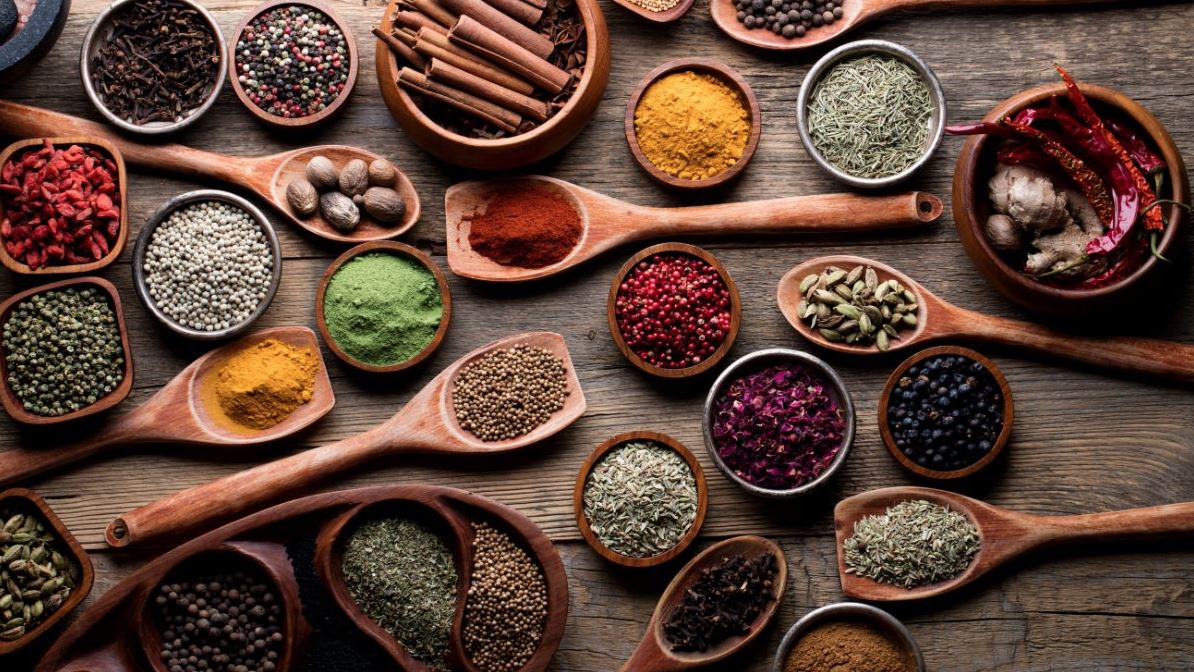
Lesser known aromatics such as grains of paradise, cubeb, long pepper, and ajwain return from cookbooks to spice drawers, and their layered heat replaces blunt fire with warm echoes that coat the palate, making sauces linger without shouting.
Resins and Saps With Story
Tree gifts like mastic, spruce tips, and birch sap carry forests into kitchens through candies, syrups, and oils, and when used sparingly they lift dairy, fish, and fruit with pine, citrus, or vanilla like notes that travel straight to memory.
Fruit That Needed Patience
Medlars, quinces, azarole, and serviceberries ask for time and careful heat, then reward with perfume and gentle tannin that turns roasts and custards into events, and chefs rediscover the value of waiting when a fruit passes from hard to honeyed in a cool room.
Bitters Worth Befriending
Chicory roots, dandelion greens, and gentian moved to the edge of the menu for years, yet when balanced with fat or sweetness they bring structure that keeps desire alive from first bite to last, teaching palates to appreciate length and restraint.
Honey Varieties and Wild Sweetness
Apiaries that follow single blossoms produce honeys with vivid personalities like buckwheat, heather, or chestnut, and cooks swap refined sugar for these jars when they want bass notes, mineral sparks, or a quick glaze that sets without stickiness.
Oils From Modest Seeds
Local mills press camelina, pumpkin, and walnut into oils with low throughput but high character, and while these bottles cost more per liter, a few drops on raw fish, grains, or ice cream carry a meal across the finish line with grace.
Vinegars Built From Waste Turned Treasure
Kitchen scraps of fruit and wine ferment into living vinegars that reflect season and place, bubbling quietly in dark corners until acidity settles into balance, then brightening soups, braises, and dressings with a lift that no bottle of anonymous acid can match.
Whey as a Hidden Workhorse
Cheesemakers have long known the value of whey for brining, braising, baking, and fermenting vegetables, and modern kitchens catch this pale liquid instead of discarding it, using its gentle tang and minerals to tenderize meats and to feed sourdough starters with predictable rhythm.
Ferments That Define a Village
Every town once kept small crocks of preserves like salted citrus, chili pastes, and bean ferments, and their revival rests on clean jars, measured salt, and patience, because these condiments give daily cooking wings without demanding special trips or long prep lists.
Fish Parts That Teach Respect
Collars, cheeks, and bones become plates when cooks brush them with light glazes, roast until blistered, then spoon warm fat and herbs across the top, and guests learn that the best bites often sit just outside the fillet that markets overvalue.
Grains Cooked as Whole Berries
Farro, rye, and buckwheat shine when simmered to a tender bounce rather than ground into flour, and their soaked cooking water adds body to soups and sauces, letting kitchens spend less on stock while gaining aroma that hints at field and sun.
Barks, Pods, and Unexpected Teas
Roasted carob, cacao husk, and roasted corn silk steep into drinks that offer chocolate like comfort or toasted grain sweetness without extra sugar, inviting diners to end meals with warmth that clears the head rather than clouding it.
Flowers That Feed as Well as Decorate
Elderflower, daylily, nasturtium, and squash blossoms supply fragrance, pepper, and texture when treated as ingredients rather than garnish, and fillings based on soft cheese or mashed beans turn petals into parcels that move quickly from garden to plate.
Mint Families Beyond Spearmint
Hyssop, shiso, and mountain mint carry menthol and anise in different proportions, and a cook who pairs them with melon, pork, or rice can lower sugar and fat while raising perceived freshness, stretching a small portion into a long finish.
Wild Grains Along Water Edges
Stands of aquatic grains once sustained whole communities with nutty seeds that pop when heated, and respectful harvest with canoes and cradle sticks returns that foodway, giving modern menus a grain that reads like both rice and nut in one spoon.
Gums and Seeds That Build Texture Without Cream
Fenugreek seeds, chia, and flax hold water and build body, letting soups and sauces feel silky without heavy dairy, and this shift pleases diners seeking lighter plates while leaving cooks with more control over reheating and service timing.
Smoke From Unusual Woods
Apple and hickory dominate many pits, yet alder, grapevine, olive, and corn cob smoke give fish, cheese, and vegetables distinctive lifts, and small tasting runs help teams pick a wood that flatters rather than smothers the core ingredient.
Starches That Behave Differently
Tapioca pearls, arrowroot, and kudzu thicken at lower temperatures and hold clarity, valuable for fruit sauces and seafood where cloudiness distracts, and their neutral flavor keeps the spotlight on the star rather than on a floury aftertaste.
Salt That Tells a Story of Place
Sun pans and rock mines create crystals with varied shapes and minerals, from flaky pyramids to dense pebbles, and finishing salts chosen by texture rather than only by salinity alter the crunch and final bloom of a bite with gentle precision.
Animal Fats With Character
Rendered duck, beef tallow, and leaf lard return to sauté pans where they belong, bringing clean heat transfer and savory perfume that lift roots, greens, and pastry, and small amounts satisfy quickly, which helps portion control and guest comfort.
No Waste Citrus
Dehydrated peels, salted quarters, and charred halves turn rinds and leftover wedges into relish, powders, and syrups that carry aroma stronger than juice alone, and these forms survive service without fading, which keeps brightness available until the last plate leaves.
Kitchen Charcoal as Seasoning
Crushed edible charcoal made from clean wood becomes a fine powder that paints oils and butter with light smoke and slight alkalinity, useful for grilled fish and yogurt dips where a whisper of fire satisfies more than a heavy coat.
Herbs That Prefer Shade
Sweet cicely, burnet, and lovage thrive where sun is soft, and their cool anise, cucumber, and celery tones sneak into broths and salads as if the dish cooled itself, a gift in warm months when guests crave clarity over richness.
Mollusks That Fell From Menus
Periwinkles and whelks once filled paper cups at harbors and now reappear in garlicky broths and herb butter, offering chew and deep ocean savor that oysters and clams do not duplicate, and their responsible harvest eases pressure on glamorous shellfish.
Mushrooms With Unexpected Textures
Lion mane, hen of the woods, and fairy rings change ideas about fungi because strands and petals create fibers that mimic shellfish or poultry when seared patiently, and dried versions grind into seasoning that turns butter into perfume.
Pickling Liquor as a Living Ingredient
Leftover brine from cucumbers, fruit, or chilies becomes a pantry asset for pan sauces, marinades, and bread doughs that welcome a shot of acid and spice, and careful labeling keeps sweet brines separate from salty ones for predictable results.
Griddle Cakes From Forgotten Meals
Many cultures once mixed leftover grains with greens and a bit of egg or whey to fry into tender cakes, and the revival of this habit rescues odds and ends while inventing new appetizers that carry a regional accent with every bite.
Jellies and Savory Jams
Onion, tomato, and pepper preserves thickened to gentle wobble ride cheeseboards and roasted meats with grace, and low sugar strategies using apple pectin or long reduction allow true flavor to sing rather than a blanket of sweetness.
Unusual Coffees and Roasts
Cherry husks from coffee plants steep into a tea with raisin and hay notes, and light roasts from high grown beans bring citrus to sauces and desserts where dark roasts would turn muddy, proving that coffee belongs far beyond the cup.
Barley Water and Grain Drinks
Soaked grains release soluble fiber and minerals that once refreshed field workers, and kitchens now flavor these waters with citrus and herbs for a gentle sip that pairs with salty snacks, offering an option when guests want refreshment without alcohol or sugar spikes.
Cheese Ends and Rinds in the Pot
Hard rinds simmered in tomato soups or bean pots yield savory depth that outperforms stock cubes, and diced ends melt into polenta or risotto where their salt and fat stretch small budgets without dulling nuance.
Crisps From Peels and Skins
Potato, carrot, and parsnip skins scrub clean, dry well, and fry into brittle garnishes seasoned with spice dusts, proving that the parts often trimmed carry the most flavor and crunch once given a chance to show themselves.
Dried Curd and Yogurt Powders
Strained yogurt spread thin and dehydrated breaks into shards that season salads and grilled meats with tangy saltiness, while powdered versions fold into butter or vinaigrettes for creamy brightness without weight.
Heritage Corn and the Alchemy of Lime
Nixtamalization transforms old corn into dough that smells of warm rain and field, and cooks who relearn soak times and grind sizes discover tortillas and tamales with structure and aroma that pre ground flour cannot hope to deliver.
Molasses and Unrefined Cane
Muscovado and panela convert sauces and cakes into deeper versions of themselves, bringing smoke and mineral edges, and when paired with sharp acids like vinegar or citrus they read complex rather than heavy, a balance that industrial sugar rarely offers.
Salted Fish Pastes and Clear Umami
Traditional ferments of small fish or shellfish once brightened stews across coasts, and their careful revival demands clean sources and time, but a teaspoon in a pot can replace cups of stock, raising savor while leaving no trace of fishiness when balanced.
Bitter Orange and Other Seville Relatives
Peels and juices from fragrant citrus once flavored meats and sweets with equal success, and modern menus bring them back to cut fat, lift chocolate, or perfume aioli, reminding diners that citrus has many faces beyond standard lemons and limes.
Grape Must and Leaf
Young grape juice reduced to syrup and leaves blanched to tenderness link vineyards to kitchens, enabling dolmas and glazes with gentle acidity and floral notes, while skins left from pressing add color and tannin to pickles and chutneys.
Wild Herbs That Ask for a Light Hand
Mugwort, yarrow, and sweet woodruff appear in small amounts in desserts and breads where they whisper almond, hay, or vanilla, and their best use comes from restraint, letting guests sense a meadow rather than a field under glass.
Building Supply So Revival Survives
Restaurants that love revived ingredients commit to forward contracts, share risk with growers, and offer steady purchases through slow months, and this reliability lets farmers scale from a few beds to acres without gambling a business on rumors and hope.
Teaching Palates With Honesty
Menus that explain origin and method in simple words help guests try a new root or preserve with confidence, and servers trained to describe texture, scent, and finish turn unfamiliar names into invitations rather than tests.
Health and Heritage in the Same Bowl
Many recovered foods bring fiber, minerals, and diverse proteins that modern diets lack, and when kitchens cook them with respect for digestibility through soaking and slow heat, the result nourishes without strain and satisfies without excess.
Costs Counted With Care
Revival often begins expensive, so chefs design plates where small amounts of rare items provide the accent while staples carry volume, and clear costing sheets track waste and yield until producers grow enough to lower price without eroding quality.
Documentation So Knowledge Does Not Fade Again
Teams record soak times, harvest windows, and storage tips in shared files and notebooks, photograph growth stages, and keep contacts for seed and suppliers, building a record that new cooks can trust when staff turns over or seasons shift.
Home Kitchens as Partners
Households help revival by buying seed packets, asking markets for specific items, and cooking simple dishes that celebrate one ingredient at a time, because demand from many small tables stabilizes supply far better than one large order from a famous room.
Respect for Boundaries and Safety
Some plants bring allergens or require proper preparation to remove bitterness or toxins, so revival includes training on identification, safe handling, and tested methods, keeping curiosity bright while protecting diners and reputation.
Pairing With Drinks That Listen
Low alcohol ciders, regional beers, botanical sodas, and careful wines meet revived ingredients where they live, echoing orchard, field, or forest, and sommeliers adjust temperature and glassware so delicate aromas do not vanish before the first forkful.
Waste Loops That Close the Circle
Peels, bones, and whey feed ferments and stocks that in turn season the next day, and compost returns to growers who then send back brighter leaves and sweeter roots, turning revival into a cycle rather than a one time fashion.
The Pantry Opens Like a History Book
When forgotten ingredients return, kitchens gain more than novelty, they gain threads that tie cooks to farmers and to grandparents, to soil and tide, to patience and thrift, and each plate carries that story forward so the next generation can taste where it came from and imagine where it can go.