

Every Bite Speaks to the Brain
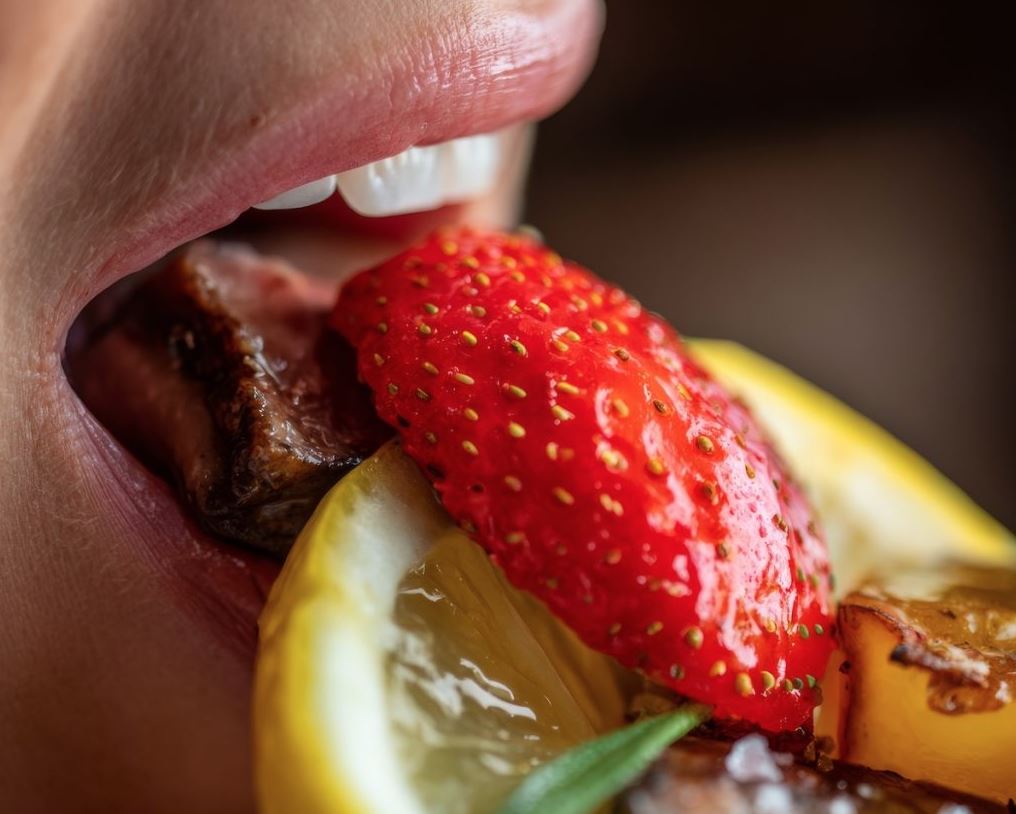
A culinary journey through the biology and perception behind flavor
Taste Buds Are Not Tiny Tongues
Taste buds sit inside papillae that dot the tongue, the soft palate, and parts of the throat, and each bud holds clusters of receptor cells that renew in a steady cycle which keeps your palate resilient. When a sip of broth or a shard of chocolate melts across the mouth, dissolved molecules reach microvilli at the tips of these cells, ion channels open or metabotropic pathways fire, and a volley of signals races through cranial nerves to the brainstem.
Chefs benefit from knowing that no single region of the tongue owns sweet or bitter, since all regions with taste buds can contribute to multiple modalities. This means plating that targets only the tip or only the sides cannot fully control perception, and balance must be designed for the whole oral landscape rather than a mythical map.
Five Basic Tastes and the Expanding Map
Sweet announces energy, salty signals electrolyte balance, sour flags acidity, bitter warns of possible toxins, and umami whispers protein. Each category links to specific receptor mechanisms, such as T1R2 and T1R3 for sweet and T2R families for many bitter compounds, so ingredient swaps that preserve molecular triggers can maintain the idea of a dish even when textures or origins vary.
Researchers also study fatty acid sensing and the sensation called kokumi, which does not present a taste on its own yet deepens and rounds others. When a sauce feels more complete after the addition of aged cheese or yeast extract, kokumi peptides and glutamyl compounds often play supporting roles that lift the entire chorus without raising volume.
Aroma as the Hidden Majority
Flavor depends heavily on retronasal smell, which occurs when volatile molecules released during chewing travel from the mouth to the nose. The olfactory epithelium interprets hundreds of thousands of patterns, and the brain stitches them to basic tastes to create a single experience. Without aroma, a berry sorbet turns into cold sugar, and a seared steak becomes a salty sponge.
To exploit this, cooks use heat to unlock Maillard and caramel notes, or they layer cold infusions that protect fragile top notes. Lids on bowls, butter bastes, and last second zesting are not theatrics, they are timing strategies that escort molecules to the diner at the perfect moment.
Texture Temperature and the Trigeminal Trio
The trigeminal system detects irritation, temperature, and some tactile qualities, and it decides whether a salsa feels lively or harsh. Chili heat, menthol cool, and the prickle of carbonation do not belong to taste or smell, yet they modulate both by altering saliva flow and nerve sensitivity.
High viscosity slows diffusion to receptors, crisp shells shatter and create acoustic pleasure, and controlled fat crystals melt at mouth temperature to carry aromas deeper. When chefs tune crunch, cream, and chew, they tune the orchestra that supports the melody of taste.
Saliva The First Sauce
Saliva dilutes, buffers, and transports tastants, and its proteins bind tannins and astringent compounds, which changes how bitterness and dryness feel over repeated sips. Hydration level, stress, and time of day alter saliva composition, so two tastings of the same dish can diverge widely even for the same person.
Pre service snacks and house bread are more than hospitality since gentle fats, mild acids, and a touch of salt prepare the mouth by stabilizing flow and priming receptors. Smart prelude bites set the stage for clarity and reduce the need for heavy seasoning later.
Genes Training and Cultural Learning
Genetic polymorphisms shift thresholds for bitter molecules like PROP and for aromatic aldehydes found in herbs, which explains why one guest adores bracing greens while another grimaces. Sensitivity is not fate though, because repeated, low stakes exposure reshapes acceptance through prediction and reward.
Culture teaches pairing rules and symbolic meanings that alter perception before the first taste. When a diner expects warmth and comfort from cinnamon or basil, the brain tilts interpretation toward home and memory. Chefs who understand this script can write new scenes by introducing familiar notes beside novel ones to foster trust.
Timing Contrast and the Architecture of Courses
Taste receptors adapt during sustained exposure, which means a salty starter can blunt the impact of a gently seasoned main. Alternating acidity and fat resets sensitivity, while temperature shifts punctuate attention and make aromas bloom again.
Menus that move from crisp and bright to deep and savory harness neural contrast. A tart granita between courses clears heavy lipids from the palate, then a warm broth glides in with renewed complexity. Sequence acts like editing in film, and each cut changes the meaning of the next scene.
Acids Salts Sugars and the Art of Balance
Salt heightens sweetness and suppresses some bitterness through central and peripheral effects, so a pinch can replace a spoon of sugar if used wisely. Acid shortens perceived distance between flavors and tightens structure, while sugar smooths harsh edges and supports browning in heat.
Great sauces ride a narrow ridge where no single element shouts. Cooks achieve this by titrating small additions while tasting rapidly, since human calibration works best in short loops. The goal is not neutrality, the goal is tension held in harmony.
Umami and Kokumi in Depth
Glutamate and nucleotides such as IMP and GMP meet at receptors that boost each other, which is why bonito dances so well with kombu and why tomato sings with aged cheese. Long simmered stocks release free amino acids that the tongue greets with delight only when sodium and acidity sit in the right range.
Kokumi peptides from aged or fermented ingredients add body without obvious taste. They extend finish and anchor aroma in a way that invites slower eating. When a chef wants richness without heaviness, these molecules become gentle levers.
Bitterness as Guardian and Muse
Bitter receptors protect us from some plant alkaloids, yet culinary traditions reframe that warning into intrigue. Coffee, hops, cacao, grapefruit, chicory, and brassicas offer complex satisfaction when sweetness, fat, or salt chaperone the experience.
Roasting can convert harsh bitterness into pleasant toast notes through polymerization, while controlled dilution tempers aggressive extracts. The key is proportion and pacing, since short flashes of bitter brighten a dish and long exposures demand partners.
Tools for Testing Palates
Calibration begins with simple model solutions that isolate sweet, sour, salty, bitter, and umami at graded levels. Blind tests teach cooks to separate texture from taste and to spot temperature artifacts. Triangle tests reveal tiny changes from batch adjustments and prevent superstition from guiding decisions.
Chefs also benefit from aroma kits that group molecules by family, such as pyrazines for roasted notes or terpenes for citrus. Rehearsed recognition accelerates during service and makes feedback precise rather than vague.
Color Sound and Expectation
Color reshapes taste predictions before the first sip, which is why pale sauces with bright acidity can confuse if the eye expects a heavy cream bomb. Plate hue, table surface, and light temperature push perception toward warm or cool families and nudge choices at the fork.
Sound matters as well. Crispness becomes more convincing when a bite crackles, and even background music tempo changes sip speed. By tuning the sonic scene, venues can guide pacing and enhance texture without touching the recipe.
Microbiome and Taste Modulation
Oral and gut microbes produce metabolites that alter receptor sensitivity and influence cravings. Fermented foods can steer communities toward profiles that reduce inflammation, which can indirectly change how strong flavors feel and how quickly satiety arrives.
Regular inclusion of live ferments, fiber rich plants, and varied proteins creates a stable ecosystem that smooths volatility in appetite. The result is a diner who perceives nuance more readily and feels satisfied with thoughtful portions.
Health Signals Cravings and Satiety
Taste is an early warning and reward system tied to homeostasis. Sodium cravings rise when electrolyte stores fall, and sweet preference shifts with energy needs and hormone cycles. Protein leverage theory suggests that humans eat until amino acid targets are met, which explains why small umami rich additions can calm open ended snacking.
Designing plates that stack satiety cues helps guests feel well. Fiber slows absorption, protein engages long lasting signals, and bitter greens before a meal prime digestion. Pleasure and health are not rivals when balance is deliberate.
Pairing Food and Drink through Chemistry
Successful pairings rely on shared molecules or on complementary structures. A goat cheese with high acidity finds kinship with wines that carry similar malic or tartaric brightness, while roasted meats link to drinks rich in Maillard related aromas and modest tannins that the dish can soften.
Contrast also charms. Sweetness in a beverage can soothe chili heat by absorbing attention, and bubbles scrub fat from the tongue to restore clarity. The pairing goal is to create a third experience that neither element could deliver alone.
Designing Menus with Neuroscience in Mind
Guests arrive with shifting thresholds and variable focus, so menus that begin with vivid acidity and clean textures create a shared baseline. Midcourse dishes can move toward complex aromatics and layered umami, then a brief cooling or crunchy transition resets the stage before the finale.
Portion size interacts with memory, since the last bite anchors the story. A finish that lands with brightness and a gentle sweet note tends to live longer in recall. Thoughtful endings invite repeat visits more reliably than brute force richness.
Where Craft Meets Curiosity
The kitchen becomes a laboratory when cooks connect ingredients to receptors and perception, yet the goal remains joy at the table. Knowledge of molecules, nerves, and attention does not replace artistry, it sharpens it and frees chefs to innovate without guesswork.
By respecting biology, shaping context, and rehearsing the senses, culinary teams can deliver meals that feel clear, generous, and memorable. Every service turns into a conversation between tongue and mind, and each plate offers a new chance to speak with clarity and heart.