

Mornings That Smell Like Citrus and Fresh Earth
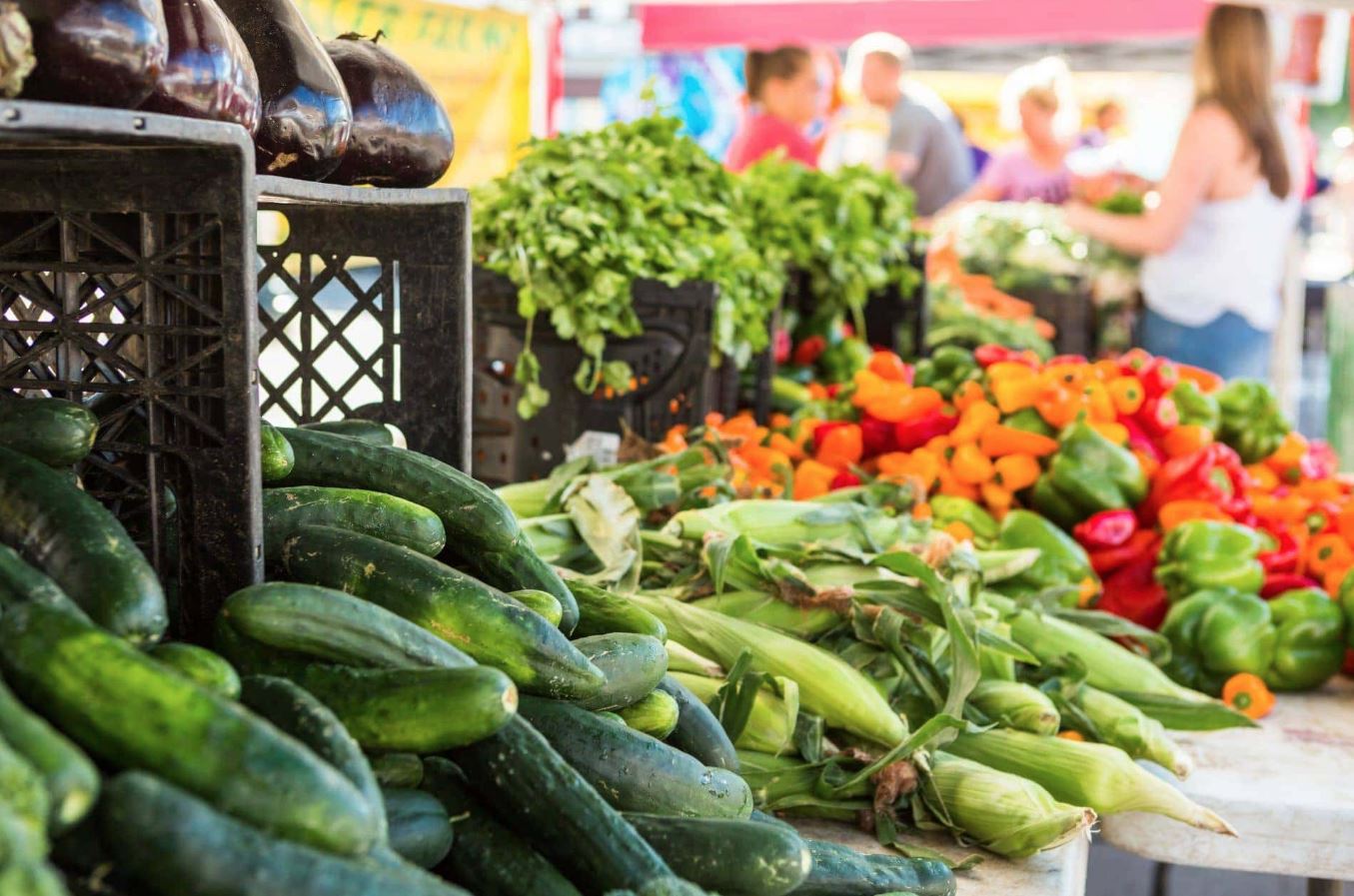
A chef walks the aisles, listens to growers, and turns stalls into a living menu that tastes of place
First Light and the Empty Tote
The best market days begin before the buskers tune strings, when dew clings to crates and a chef steps in with an empty tote that is not empty at all since it carries curiosity, a loose plan, and the memory of last week’s sweetest tomato.
Greeting the Gatekeepers
Security opens the side chain and vendors slide in with practiced angles, and a chef says hello to the stewards of this small city, because kindness makes room for quick questions later when a rare crate appears without warning.
The Temperature Test at the First Stall
Before any purchase the wrist hovers above greens to feel the night’s work, crisp air means a longer window for service, warm leaves mean a faster plan in prep, and this tiny ritual sets the tempo for the whole walk.
Eyes on Soil Stories
Carrots whisper where they grew by the shape of their shoulders, beets tell a tale with the dust that clings near the crown, and a chef learns to read these signals like notes on a staff to choose lots that cook evenly and taste honest.
Choosing With Ears
A soft knock on a melon, a pepper that squeaks against a knife, a crate that rustles like silk when corn moves, all of this sound guides selection as precisely as color, and habits form around a music that plays only at dawn.
The Leaf Snap Moment
Some decisions reduce to a single gesture, the break of a chive, the snap of a young bean, the tear of basil that releases a cloud of perfume, and these tiny proofs prevent disappointment later when a guest expects freshness without compromise.
Vendor Notebooks as Maps
Every chef who loves markets carries a notebook with dates, bed numbers, and flavor notes that become a personal atlas, pages full of scribbles about which row held the most tender fennel and which farm delivered herbs that stayed bright through a double turn on the pass.
Taste Before Price
Negotiation comes second to flavor when building a plate that will carry your name, so a chef tastes one berry and then four, notices the finish, the hint of floral or the clean snap of acid, and only after that begins the arithmetic that keeps the room alive.
The Art of the Half Crate
When a stall offers a mountain of good produce but the menu needs a whisper not a shout, the half crate deal keeps waste low and relationships high, and farmers gladly split when they trust the buyer to return with steady rhythm.
Respect for Seconds
Seconds bins hold misshapen fruit that tastes like memory, perfect for chutneys, sorbets, or staff meal that tells cooks they matter, and buying these crates pays the farm fairly while teaching a brigade to see beauty beyond symmetry.
Color as a Shopping Tool
Beyond the appeal of a bright display lies real information, the bloom on plums suggests recent picking, the pale frost on grapes marks cool storage, and a chef learns to decode the spectrum like a seasoned jeweler at a stone table.
Smell the Stems Not Only the Fruit
Ripe fruit can shout and mislead, so the stem reveals the truth about ripeness and travel, a green line near the cap says harvest came with hope, a papery ring says the clock has gone too far, and this sniff saves a menu from sorrow.
Herb Decisions at Wrist Height
Great herbs live near the pulse where warmth lifts aroma, so a chef pinches thyme between fingers and holds it beside the wrist while imagining it in a pan of butter or a bowl of chilled oil, then buys only what speaks softly and clearly.
Alliums and the Promise of Winter
Onions and garlic sit like anchors of a season, and their skins tell stories about curing and storage, tight paper promises sweetness, loose layers hint at a quick cook or a fast pickle, and the list for sauces forms right there with the crate still closed.
Wild Bunches and Forager Codes
Bundles from licensed foragers arrive with tidy ties and small tags, and a chef checks for lawfulness, for habitat notes, and for sustainable volumes, because the plate should never cost a forest its balance or a hillside its health.
Grain Sellers and Mill Dates
Flour that met a stone last week smells like hay and cream, and grain berries that were cleaned yesterday cook with a bounce that fills a bowl with cheer, and a chef buys by the mill date the way some buy by vintage.
Cheese Makers as Morning Poets
Artisan makers bring rounds that carry field and weather in the rind, and they talk softly about a wet spring or a hot barn, and these details help a kitchen pair chutneys and breads with kindness so that the wheel can shine without strain.
Egg Conversations in Quiet Voices
Eggs hold a farm’s integrity inside a thin shell, so buyers ask about feed, about temperature control, and about float tests, then handle cartons like treasure because a cracked promise becomes a wasted shift in pastry and on the line.
Fish Tables and the Eye Test
Where licensure permits, fish on ice tell a quick truth if you know how to look, bright eyes, firm bellies, clean gills if visible, and a chef asks about boat names, trip length, and ice practices to ensure the sea remains a partner not a story.
Pickle Stands and Memory Jars
Vendors who brine carry regional history in glass, fennel that tastes like winters of grandparents, chilies that warm without heavy breath, and buying a few jars each week widens the pantry without clutter while honoring a neighbor’s craft.
Honey Tastes of Streets and Hills
Local apiaries pour sunlight that has visited backyards and highway medians, and a chef learns to match floral notes to yogurt, to vinaigrettes, or to glazes for roots, then writes the beekeeper’s name on menus because it makes guests smile.
Mushroom Crates Like Little Forests
Lion mane that looks like a rain cloud, hen of the woods that breaks into petals, and small trumpets that hide perfume, all sit in paper lined boxes, and a chef chooses by firmness and moisture rather than size, then plans to cook them with space and respect.
Flower Sellers and Edible Petals
Calendula, nasturtium, and borage provide scent, color, and a wink of spice, and chefs who keep a small list of trusted growers avoid bitter surprises, then rest blossoms gently on linen so they arrive at service with their faces unbowed.
Respectful Bargaining as Partnership
Price talk can feel like a game to outsiders, yet among regulars it behaves like a shared ledger of risks and wins, and a chef negotiates with transparency, promising volume on rainy days and paying full sticker when a hailstorm cuts yield.
Cash Bag and Digital Receipts
Some stalls run on bills and coin, others swipe, and a smart buyer prepares for both, counting change before the walk and emailing receipts to the bookkeeper from the shade of a mulberry tree while juice stains the thumb.
Carrying Fragile Treasures Home
Stack order matters as much as selection, heavy roots on the bottom, herbs and berries up high, sturdy greens as cushion, and linen towels between layers, a simple packing method that saves a kitchen from grief and a farmer from a reputation hit they did not earn.
Menu Writing Under a Tent
Ideas arrive between stalls, so a chef stands near a pole and sketches a lunch special that pairs bitter greens with sweet fruit, or a dinner course that frames grains with charred cabbage, then buys only what fits the page that now exists.
Season Edges and Short Runs
The best days reveal foods that last a week at most, peas with sugar like a secret, figs that bruise under a stare, and these fragile gifts become the spark of a limited course that servers sell with a smile and an honest warning that tonight might be the last night for this plate.
Learning from Spilled Crates
Accidents happen when crowds swell, and a chef helps pick up fallen fruit even if the stall is not theirs, then buys the bruised lot for jam or sauce, because markets work like kitchens, generosity keeps the whole system from wobbling.
Children as Quality Inspectors
Kids on tiptoe choose with stubborn honesty, and watching which apple reaches their pocket first tells a truth that numbers cannot, a data point that later informs a dessert portion or a garnish choice that turns a maybe into a yes.
Knife Sharpeners by the Fountain
Traveling stones and belts set near the water spout fix a day before it breaks, and a chef learns to carry a small roll for service blades, chatting about angles and steels while swallows stitch circles above the plaza.
Weather as a Menu Editor
Clouds move, wind rises, and shoppers thin, and the observant buyer shifts from delicate greens to sturdy roots, from raw salads to slow braises, then thanks the sky later when the dining room warms with the scent of thyme and steam.
Waste Free Habits in the Open Air
Totes lined with washable cloth, reusable egg cartons, and stackable crates keep plastic out of bins and costs out of ledgers, and farmers notice the effort, which makes rare products more likely to appear from under the table when trust is needed.
Street Musicians as Timers
The tempo of songs marks how long a chef has lingered, a fast reel means speed up, a slow ballad allows a deep talk with a grower about seed choice, and this odd clock keeps the morning from collapsing into a rush.
Lunch From the Market Itself
A good walk always ends with a small meal bought from a stall, maybe a simple grilled flatbread with herbs, or a bowl of beans that have seen only salt and olive oil, and this snack becomes a flavor anchor for the afternoon’s prep.
Translating Market Scent to Dining Room
Back at the pass the goal is to preserve that breeze of cilantro, the bright cut of citrus, the faint earth of new potatoes, which means gentle heat, quick plates, and a promise not to bury delicate notes under heavy tricks.
Training Staff With Stall Stories
Pre shift includes names of growers and small facts that make servers smile, like the dog that sleeps behind the honey stand or the teenager who saved for college by selling mushrooms, details that turn a plate into a conversation rather than a transaction.
Costing With Reality Not Assumption
Market buying can look expensive if a chef forgets yield and power, so the numbers must include trim that becomes stock or pesto, skins that become crisps, and stems that pickle into bright sparks, which lowers waste and raises perceived value on the plate.
Season Tickets for the Walk In
Labels on shelves carry the names of fields next to dates, and a team learns that carrots from the north bed of a certain farm roast sweeter than those from the east bed, a small truth that accumulates until the walk in reads like a travel diary.
Inviting Growers to Taste the Result
Farmers who see their work on a finished plate understand how seasoning and flame honor their effort, and they leave with pride and ideas, then return with a crate that fits the menu even better than before.
Teaching Guests to Shop with Confidence
Menus can include tiny notes that nudge curiosity, a line about a variety name, a suggestion about how to store greens at home, and a promise that flavor tells time better than a calendar, and guests leave ready to visit the same stalls that fed the room.
Winter Markets and the Beauty of Brown
Cold weather narrows the palette yet deepens tone, and a chef learns to love shades of beige and gold, roasted parsnips with floral sweetness, cabbage with edges like candy, and grains that steam into perfumes that feel like sweaters.
Night Markets Under String Lights
Evening markets change mood and pace, with grilled smoke, tiny desserts, and a different set of shoppers, and a chef adjusts buying to suit late service, choosing items that hold aroma at room temperature and withstand a gentle walk through a crowded street.
Unexpected Guests in the Tote
Sometimes a recipe jumps in uninvited, a jar of quince paste that asks for a cheese course, a bunch of sorrel that insists on a sauce, and the wise chef lets these gate crashers shape the day rather than forcing a rigid plan on a living pantry.
Backing Up Promises with Prep
Market fresh claims ring hollow without clean stations, cold shelves at the right temp, and hands that move quickly from crate to rinse to spin to service, and that discipline converts romance into results, which is the only proof that truly counts.
Ritual Thank You at the Exit
On the way out the empty coffee cup meets a bin, bags stack, and a chef circles back to say thanks to at least one stall that saved the day, because gratitude keeps small doors open for big favors when the calendar turns rough.
The Market Informs the Menu and the Mood
Every visit writes new lines in a chef’s head, not only about ripeness and price but about patience and pace, and the dining room later tastes that knowledge in subtle ways, in the snap of a bean, in the tilt of a sauce, and in the simple joy of a plate that carries morning air all the way to a candlelit table.