

Taste Minds in Motion
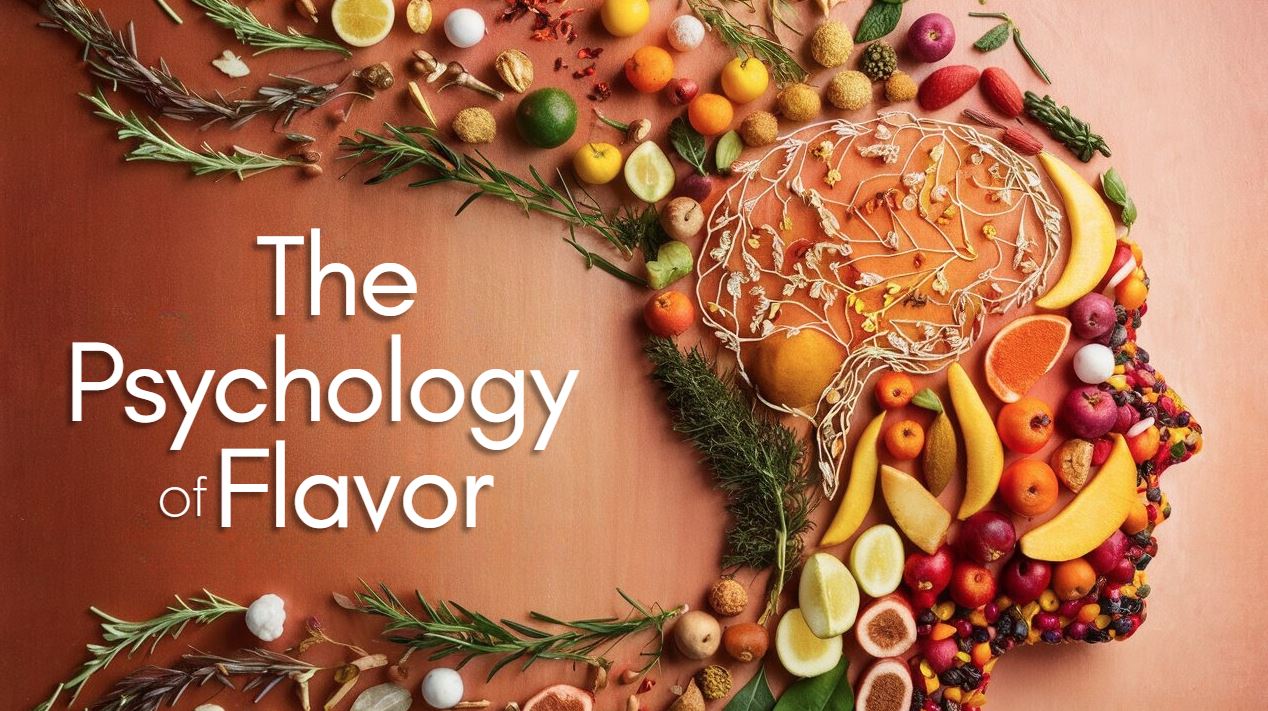
Why flavor lives in the brain, how the senses negotiate every bite, and what chefs can do to shape that inner conversation
The First Signal Arrives Before the First Bite
Flavor begins long before food touches the tongue. Eyes read color and shine, hands gauge temperature and heft, and the room whispers expectations through lighting and sound. The brain constructs a prediction about sweetness, acidity, and richness from these early cues, then uses that forecast to filter the taste that follows. When chefs choreograph the approach to a plate with calm light, welcoming aroma, and a balanced palette, they prepare the mind to receive nuance rather than noise.
Smell as the Architect of Taste
Most of what people call taste is carried by aroma that travels through the back of the mouth into the nose during eating. This silent pathway lets a strawberry feel bright and a stew feel deep even when basic tastes on the tongue remain the same. Gentle heat, correct fat content, and a textured matrix release aroma at the right pace. A cook who understands release rate can control the arc of experience from first inhale to final echo.
The Tongue Keeps Score of Basics
Sweetness, salt, sour, bitter, and savor form the foundation. Each basic taste occupies a role that guides attention. Sweetness pulls memory of comfort, salt sharpens edges, sour lifts and resets, bitter warns and intrigues, and savor grounds the whole. Balancing these forces is less a recipe and more a conversation in which none should shout for long. When one note dominates, the mind tires. When the notes trade turns with grace, curiosity stays awake.
Texture Writes the Plot
Crunch signals freshness and energy, cream signals safety and rest, chew signals substance and time. Texture informs the story more quickly than taste because it reaches through sound and touch at once. A brittle shard that cracks over a soft base creates contrast that keeps the eater attentive. The brain rewards that contrast with a small spark, which is why a crisp garnish can lift a mellow puree into focus without extra salt or sugar.
Temperature as a Mood Setter
Warmth opens aroma and relaxes muscle memory, cold slows release and brightens edges. A dish that layers temperatures produces motion even while the eater sits still. A cool herb cream beside hot roasted roots invites alternating bites that refresh the palate. The mind enjoys this gentle oscillation because it feels like rhythm, and rhythm holds attention without strain.
Color and the Quiet Power of Expectation
People taste with their eyes because color primes prediction. A deep red fruit reads sweeter than a pale one even at equal sugar. Green hints at brightness and life, dark browns speak to smoke and patience. Chefs who align color with flavor reduce friction between expectation and reality. Chefs who misalign on purpose create surprise, which can delight if the gap feels playful rather than confusing.
Sound Shapes Flavor Without a Word
Crisp food that clicks against the teeth feels fresher than a quiet bite of the same composition. Dining rooms with gentle music and soft surfaces allow subtle aromas to register, while hard rooms that reflect noise can blunt perception. Even the sound of cutlery on the plate can signal refinement or haste. When sound supports intention, the food seems clearer because the mind wastes less effort sorting signal from clutter.
Memory as Seasoning
Childhood meals, travel moments, and celebration dishes leave strong traces that later meals awaken. This memory seasoning can sweeten or sour a plate before the fork rises. A cook who honors memory through familiar shapes and gentle transitions gives guests a path into novelty without fear. A new idea enters easily when it stands beside a remembered comfort that says you belong here.
Language Alters the Bite
Menu words steer attention toward certain qualities. A dish described as bright and herbal will seem lighter than the same dish described as rich and mellow. Naming producers and places deepens trust, which in turn opens curiosity. The right sentence guides the first bite to the most important detail, then gets out of the way so the food can finish the conversation.
Culture Teaches the Palate What to Expect
Norms learned at home and in community shape what people find balanced or bold. One table treats bitterness as wisdom and keeps it close, another treats it as a challenge and uses it sparingly. Successful menus invite many backgrounds by offering a few entry points for each palate, such as a bright counter to a deep stew or a tender counter to a crisp fry. Inclusion begins with options that respect how different minds assemble flavor.
Curiosity and Comfort Share the Same Table
The psychology of flavor asks for both safety and surprise. Too much safety and the mind drifts. Too much surprise and the mind resists. Chefs can weave the two by anchoring a plate with a familiar base and threading a new element through garnish, aroma, or temperature. Plates that walk this edge linger in memory because they feel both welcoming and new.
Hunger Changes the Lens
Physiology sets the frame for perception. When hunger runs high, savory depth feels more satisfying and small flaws fade. When hunger fades, the brain becomes more analytical and seeks clarity over richness. Smart service aligns plate size, pacing, and seasoning with the energy of the room. A bright opener wakes the senses, a substantial center brings calm, and a clean finish helps the memory shine.
Adaptive Contrast and the Reset Button
The mind adapts quickly to repeated notes. After many sweet bites, sweetness dulls. After many rich bites, heaviness grows. Small resets keep perception sharp. A tart sip, a crunchy herb, a cool spoonful of granita between savory courses, all of these break adaptation and restore detail. With resets in place, the same dish tastes more vivid and the same menu feels lighter.
Plate Shape and Material Matter
Edges, depth, and weight of a vessel change how food meets the senses. A shallow white plate expands garnish and light, a warm stone bowl concentrates aroma and signals comfort, a small cup invites slow sips rather than gulps. These quiet choices alter pace and focus. They also influence temperature retention, which directly affects aroma and feel. Design becomes a seasoning that leaves no trace on the tongue yet changes every bite.
Attention is a Finite Ingredient
Guests have only so much focus to spend. Overly intricate plating can drain that budget before eating begins, while a plate with one clear focal point conserves attention for the bite. Courses that vary in visual complexity support a relaxed arc. When attention is managed with care, flavors seem stronger because the mind can fully receive them.
Bitterness as an Acquired Friend
Many people guard against bitterness on first meeting, yet frequent gentle contact reframes it as depth. Coffee, dark greens, and charred notes build this friendship slowly. Pairing bitterness with fat, salt, or a hint of sweetness teaches the brain to recognize its use. Once trust forms, bitterness becomes a tool for length and structure rather than a warning.
The Body Feels Flavor Beyond the Mouth
Pepper awakens through a gentle sting, mint cools the skin of the mouth, and alcohol warms the chest. These body signals color perception even when the tongue detects little change. Balance among these signals prevents fatigue. When trigeminal cues support rather than dominate, the brain reads energy without stress.
Timing Turns Ingredients Into Story
A great plate does not deliver all its notes at once. Early aromas invite, middle textures engage, and late finishes leave a final thought. Staggered release comes from cuts that vary size, garnishes that dissolve at different rates, and sauces that arrive beneath rather than over. Time becomes a quiet author that writes each bite in chapters.
Shared Tables Change Perception
Eating with others alters flavor by changing attention and emotion. Laughter brightens acidity, tension dulls nuance, and praise from a trusted friend can tilt an uncertain bite into pleasure. Family style service encourages small experiments without risk, which increases openness to new profiles. The social field becomes part of seasoning, invisible yet strong.
Value Framing and Reward
Price, scarcity, and story frame expectation. A rare ingredient can taste better because the mind assigns meaning before tasting. This effect can mislead or it can be used for good. When a team frames value around craft, care, and producer partnership, guests link pleasure to ethics, which deepens satisfaction beyond the moment.
Learning the Palate Like a Language
Practice builds a mental library of patterns. Regular tasting with small notes trains recognition of acid levels, salt levels, and aroma families. Chefs who taste deliberately each day gain speed in correction because the brain stores reference points. This training is not mysterious. It is repetition with attention and simple words that describe what the senses report.
Designing Menus as Emotional Journeys
Sequences matter. A menu that opens bright and crisp teaches alertness, a middle that deepens teaches trust, and a finish that clears teaches gratitude. Within that arc, small surprises keep energy alive. The psychology of flavor rewards arcs that mirror a good conversation, animated at first, thoughtful in the center, gentle at the close.
Place and Time Leave Fingerprints
Season, weather, and hour shape desire. On a hot afternoon the mind seeks water rich crunch, on a cold night it asks for slow warmth. Local air carries background aromas that interact with the plate. Wise kitchens read the day as carefully as they read the recipe, then adjust garnish, chill, or portion so the plate fits the moment.
Choice Architecture Reduces Decision Fatigue
Too many options tire the mind and dull enjoyment. Focused menus with a few anchors and a few seasonal curiosities ease choice and increase satisfaction. Clear category labels and concise descriptions help guests land quickly on a path that suits them. Relief at ordering turns into receptivity at first bite.
Trust as the Secret Seasoning
When a guest trusts the kitchen, they open to flavors they once avoided. Trust comes from consistency, kindness, and transparency about sourcing and technique. It also comes from humility in service, the willingness to explain without lecture and to adjust without fuss. With trust in place, the mind stops guarding and starts exploring.
Recovering From a Missed Note
Even attentive kitchens miss the mark sometimes. A simple recovery resets perception. Offer a small palate cleanser, replace with sincerity, and return with a plate that leans bright and clear. The brain remembers the recovery more than the error because relief and care write stronger memories than small disappointment.
Training Teams to Speak Sensory
Shared vocabulary raises precision. Staff who taste together and discuss in plain terms such as soft sour, clean finish, gentle heat, and quiet sweetness make better decisions at the pass. That language then passes to the guest in a friendly tone. When everyone speaks sensory with clarity, the entire room tastes more vividly.
Designing for Many Minds
No two palates process flavor in the same way. Genetic differences in bitter sensitivity, cultural training, and personal history create wide ranges. Menus that offer pathways for sensitive tasters and adventurous tasters alike serve more people well. A small side of acid, a table pinch of crunch, and an option for less heat give agency without clutter.
Home Cooks Can Use the Same Tools
The psychology of flavor does not belong only to restaurants. Home cooks can plate with contrast, adjust light at the table, and serve a bright opener to wake attention. They can write short menu notes for guests, choose music that calms, and end with a clean herbal tea that clears memory for the ride home. Small choices change minds, and changing minds changes flavor.
The Mindful Bite That Stays
Flavor lasts when the senses feel seen and the mind feels guided with care. Chefs and home cooks who notice light, sound, temperature, pace, and story can lift simple food into lasting memory. The plate becomes a small theater where aroma, texture, and time share the stage, and the guest leaves with a quiet certainty that they tasted more than ingredients. They tasted attention, and attention always tastes like grace.