

Hands That Teach Fire
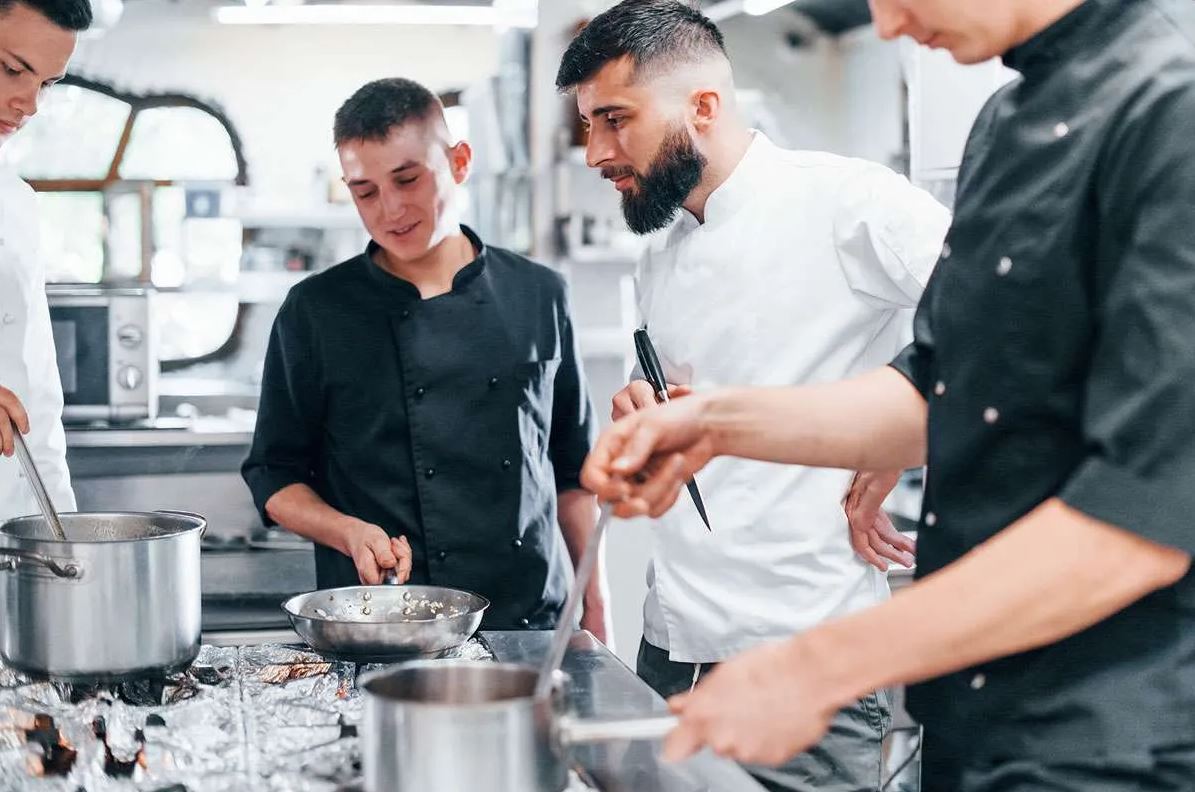
Lessons from kitchens where guidance shapes flavor and futures
The First Apron and the First Yes
The start of mentorship often looks simple, a borrowed apron, a quiet nod, a place near the cutting board where questions can land safely. Many cooks recall that first day not for the tasks they performed but for the permission they felt to make mistakes and learn. A mentor sets the tone with presence rather than speeches, showing how to hold a knife with confidence, how to stand balanced at the station, and how to respect the tools that make work possible. That first yes becomes a doorway, and the kitchen beyond it becomes a map that both teacher and student unfold together.
In this early stage, recipes serve as anchors while craft becomes the current that pulls the learner forward. The mentor introduces rhythm, not by listing steps but by modeling attention. Peel the onion, watch the cell walls glisten, sweep the board between tasks, and hear the sound of a simmer that tells you the heat is right. These are the first languages of guidance, and they shape the cook long before technique deepens.
The Day the Stock Pot Burned
Every mentorship includes a day of failure that refuses to be forgotten. A stock pot scorches because someone looked away for a moment, and the aroma of bitterness fills the room. The novice fears the verdict, and the mentor chooses a response that defines the relationship. A sharp rebuke teaches fear, a patient explanation teaches responsibility, and a shared cleanup teaches solidarity. The lesson lasts longer than the smell, because it binds accountability to kindness. The student learns to watch without blinking, to stir with intention, and to reset the station with care so that trust can return.
What follows can change a career. The mentor might place a second pot on the stove, invite the student to roast bones correctly, and insist on listening to the gentle roll of a proper simmer. The conversation never turns into blame. It turns into craftsmanship. Failure becomes a teacher inside the mentorship, and both people graduate from that hour with patience stitched into their habits.
The Knife That Fit the Hand
Tools in a kitchen are extensions of the body, and mentors often know when a student needs a different blade before the student knows it. The right knife alters posture, grants precision, and softens the strain that builds during service. A mentor might trade knives for a week so the student can feel balance and weight in new ways. The goal is not luxury but alignment, because a good fit prevents fatigue and accidents. Through this small act, the mentor teaches that care for the body equals care for the craft, since tired hands lose accuracy and tired minds lose judgment.
With the proper tool, technique evolves naturally. A gentle rock becomes a clean dice. The wrist relaxes, and speed arrives without forcing it. The student begins to hear the whisper of the blade across the board, a sign that pressure is right and angle is true. A mentor smiles at that sound, since it signals confidence that no lecture could produce.
The Station That Ran Like a Song
Organization does not sparkle on a plate, yet it gives every plate its chance to shine. Mentors teach mise en place as music, where each container has a note and every reach must follow a rhythm. They stage the station so that salt lives near the dominant hand, herbs wait in a chilled corner, and towels rest dry and folded within easy reach. During service, this order becomes a song that prevents waste and panic. When a rush arrives, the apprentice feels the design guiding movement, and anxiety fades into measured action.
After a few weeks, the student writes their own arrangement. They label dates clearly, keep backups for fragile sauces, and align garnish spoons so nothing clatters when urgency rises. The mentor steps back and watches the song continue, proud to witness a new musician playing with clarity and care.
The Market Walk That Changed Everything
True mentorship escapes the building when both mentor and student step into a market at dawn. The lesson begins with silence and observation. They smell tomatoes for sweetness, check greens for snap and color, and talk with growers about weather and soil. Choices at the market shape menus long before a pan heats, and the mentor shows how season speaks louder than any trend. The student learns to buy less but better, to ask for provenance, and to plan dishes around what sings today rather than what fit last week.
On the way back, the conversation opens. Ideas form around the fruit in the crate and the fish packed in ice at their feet. A dessert designed for late summer appears in the imagination, simple and honest. The mentor never dictates the final form. They ask questions that turn ingredients into stories the student wants to tell on the plate.
The Night the Sauce Refused to Hold
Stability in a sauce tests the patience of any cook, and mentorship often crystallizes in these quiet crises. A student watches an emulsion separate and feels confidence slip. The mentor does not rush to rescue. They slow the moment, lower the flame, and begin again with a clean bowl, a steady whisk, and a clear explanation. Fat meets liquid through structure, not force, and temperature decides whether the bond will last. The student gains more than a fixed pan. They gain a method for solving problems that you cannot shout into submission.
From that night forward, every delicate task benefits from the same calm system. Bread dough that looks slack, custard that hints at curdling, or fish that threatens to overcook all receive the same patient response. Mentorship turns panic into process, and process turns fragility into grace.
The Quiet Craft of Feedback
Guidance thrives in the way advice is delivered. A mentor chooses timing with care, offering critique when the mind can hear and the heart can hold. During a rush, only the simplest corrections make sense, such as more salt or tighter wipe at the pass. After service, the deeper notes arrive. The mentor will speak to balance, to sequence, and to the story a dish tells from first bite to final crumb. They frame feedback as invitation rather than verdict, and the student leans in rather than turning away.
Over months, this gentle rigor changes the apprentice completely. They begin to self assess with honesty, noting when acid outruns fat, or when garnish distracts rather than supports. The palate sharpens, and humility grows beside it. Feedback turns from anxiety to fuel, and the kitchen becomes a classroom where curiosity never ends.
The Mentor with Flour on Their Sleeves
Some of the best teachers carry traces of their work on their clothes, a dusting of flour, a smear of berry, a shine of butter that survived a long day. They teach through example, not distance. When a pastry collapses, they roll fresh dough and invite the student to touch the texture that signals readiness. When sugar begins to caramelize, they tilt the pan so the student can see the color that hides between amber and smoke. These tactile lessons live longer than any written note, because the hands remember what the mind might forget.
In time, the apprentice reaches for the bowl without asking and makes adjustments based on temperature and scent. The mentor does not guard secrets. They cultivate judgment. They trust that generosity strengthens both baker and student, because knowledge expands when shared.
The Lunch That Turned Into a Career Talk
Mentorship extends beyond technique into life choices that define a path. During a slow afternoon, a mentor might split a simple meal with a student and ask about goals. Do you crave the dance of service, or the slow patience of research and development, or the freedom of a food truck that writes its own hours. The conversation includes budgets, sleep, relationships, and the shape of a life that cooking will fill. Dreams are welcomed, and realism sits at the same table. A plan emerges with timelines and practice targets that feel achievable rather than abstract.
These talks prevent disillusion, because they set expectations honestly. The student learns that success contains seasons of strain and seasons of lift, and that growth requires both courage and strategy. The mentor promises introductions when the time is right and expects preparation to match opportunity. With that agreement, the future stops feeling like a fog and begins to look like a road.
The Spiral of Tradition and Invention
Great mentors protect tradition while cheering invention. They ask students to master mother sauces, to read the history of staple dishes, and to respect the elders who cooked before scales and thermometers became common. Once foundations are strong, they encourage playful thinking. What happens if citrus meets smoke in a chilled broth, or if local grains replace familiar imports in a classic pastry. Experiments follow rules at first and then learn when to bend them. The mentor serves as a compass during this spiral, pointing the student back to balance whenever novelty starts to shout.
Over time, the student discovers a voice that does not mimic anyone else. Heritage remains visible, and curiosity lights each plate. Diners taste a chain of influence that stretches behind the dish, and they taste the maker at the same time. That harmony is the quiet signature of a mentorship done well.
The Call to Lead with Care
When a student becomes a chef, the cycle turns. The new leader inherits people along with recipes, and the lessons learned under another’s guidance set the tone for the entire team. They remember how encouragement felt during a hard night, how clear prep lists saved sanity, and how shared credit built trust. They adopt those practices and add their own. They check schedules with empathy, write menus that fit the abilities of the staff, and praise the line when the dining room applauds. Mentorship matures into stewardship, and the kitchen becomes a place where talent grows rather than burns out.
This new leader also teaches patience to those who arrive eager and unsure. They explain why the pan waits for heat, why tasting happens at every step, and why sanitation equals respect for guests. In doing so, they honor the people who taught them and ensure that their wisdom survives in fresh hands.
The Story of a Spoon Passed Down
Objects carry memory. A wooden spoon with a smooth edge from years of stirring, a steel ladle that served countless soups, or a notebook mottled with stock splashes can hold a lineage inside their wear. Mentors sometimes gift such tools when a student moves on. The item is humble, yet the meaning feels profound. It says continue the work, and keep the spirit of this kitchen alive wherever you cook next. The student receives more than a utensil. They receive a reminder that they belong to a family that measures time in seasons and services rather than dates.
That spoon appears in new kitchens, stirring sauces that never existed before. Each swirl blends old lessons with new ideas, and the circle widens. Guests may never know the object’s history, but they taste the steadiness it represents. Craft becomes continuity through shared tools and shared values.
The Evening of Gratitude Letters
Some restaurants mark transitions with words. When a student earns a promotion or prepares to open a place of their own, the team writes letters that recall moments of growth. Someone mentions the night the student saved service by fixing a broken vinaigrette. Another remembers patient guidance offered to a new dishwasher. A mentor reads these notes with quiet pride and adds one more, a letter that names the strengths the student sometimes overlooks. The practice creates a record of character that recipes cannot capture, and it gives the departing cook courage for the next chapter.
Years later, the student rereads those letters during difficult stretches. The pages remind them that kindness and competence can share the same space, and that leadership thrives on both. Mentorship keeps speaking through those lines long after the ink dries.
The Apprenticeship of Taste
At the center of every story lies the palate. Mentors build it through daily repetition, tiny spoonfuls evaluated with serious attention. Salt to wake the tongue, acid to lift, fat to carry, heat to release aroma, and texture to complete the thought. The student learns to close their eyes while tasting, to map the flavor in layers, and to ask what the dish wants rather than what the ego wants. Over months, this training alters perception. The cook begins to sense imbalance a second before it appears, and adjustments become graceful instead of frantic.
Such refinement is not talent alone. It is commitment to listening with the mouth. Mentors show that tasting is a form of reading, and that reading must happen with curiosity rather than certainty. This approach keeps food alive, and it keeps the cook growing.
The Community Beyond One Kitchen
Mentorship does not end at a single doorway. Chefs mentor across cities through messages, pop ups, and shared stages at festivals where ideas move quickly and freely. Alumni from one kitchen help newcomers in another, offering spare rooms during stages, or passing on suppliers who treat workers fairly. This network carries the ethics of a mentor across borders. Respect for producers, fairness to staff, and patience with learners ripple outward until the entire community benefits.
In that larger circle, cooks discover that generosity is not a risk to success. It is a path to it. When knowledge travels, standards rise, and opportunities multiply. The victories of one team become encouragement for another. Mentorship turns competition into collaboration, and diners receive the best possible outcome, a culture where excellence and care move together.
The Flame That Moves From Hand to Hand
Every mentorship is a transfer of light, small yet steady, passed from hand to hand across years of service. The fire that began with a simple yes grows through patience, discipline, and shared pride. Students become teachers, and kitchens become families that write their history in aromas and textures rather than ink. Somewhere tonight a young cook will lift a spoon to taste, a mentor will nod with quiet approval, and a new chapter will begin without fanfare. The meal will end, yet the lesson will continue, alive in the next service and the next kitchen that welcomes curious hands and open hearts.