

Her Hands Set the Table for Tomorrow
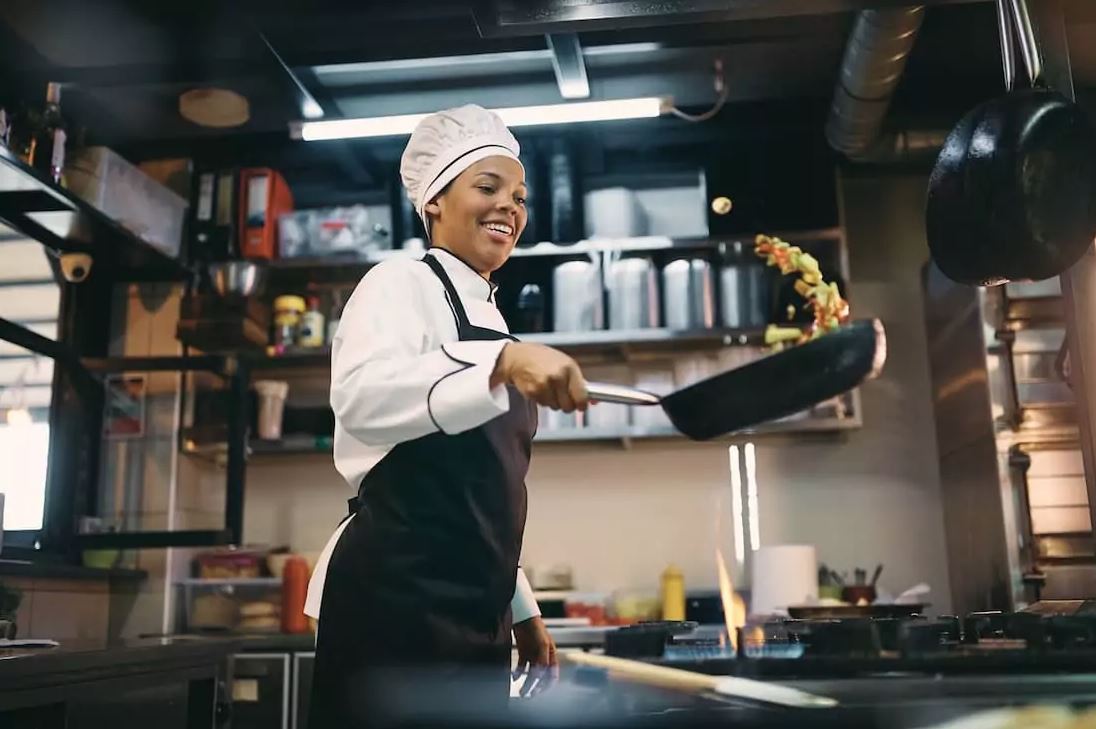
Voices, craft, and leadership from women who turn kitchens into places of progress and flavor
Roots in Homes That Fed Entire Neighborhoods
Long before résumés and press nights, many women built reputations at stoves that never closed, where neighbors tasted soups during hard winters and where recipes carried lullabies and warnings in equal measure, and from those rooms grew a quiet network of skill that trained future chefs without calling itself a school.
First Steps From Invisible Labor to Visible Leadership
Work that once hid behind swinging doors has moved to the front of the room as women claim titles, write menus, and set wages, and the path often begins with a single moment of permission, a mentor who says you plate tonight or a guest who asks for the chef and is surprised by the person they meet, and from that night forward confidence finds a permanent home.
Inventors of Systems That Keep Teams Strong
Beyond recipes, many women refine the daily choreography that keeps stations calm, from prep maps that respect smaller workspaces to service flows that reduce waste and conflict, and these systems become the invisible architecture of restaurants that finish each night with steady hearts and clean ledgers.
Guardians of Memory With Rooms Full of Future
Menus curated by women often carry fond threads from elders while speaking a new dialect, and the trick lies in credit and clarity, naming the grandmother who taught the dumpling fold, honoring the aunt who read the fry oil by sound, and then adding local herbs or a new grain to show how tradition can stretch without snapping.
Champions for Fair Kitchens and Living Pay
Leadership includes pay schedules that match the cost of a life, tip pools that stay transparent, schedules posted early enough for parents to plan, and wellness budgets for shoes and knives that keep bodies safe, and these choices reduce turnover while building loyalty that no trend can buy.
Crafting Menus That Welcome Every Guest
Women at the helm continue to widen hospitality through options that feel complete for vegan diners, for people with allergies, for elders who need gentle textures, and for children who crave honest flavor without excess sugar, and by designing with inclusion from day one they make a table where more stories can sit.
Farm Gate Relationships That Change Supply Chains
Many women lead with partnerships at farms, docks, and mills, paying for quality with respect as well as money, visiting fields, learning harvest calendars, and planning menus around weather rather than forcing shipments against the season, and this patient alignment turns procurement into community care.
Street Food Queens and the Science of Speed
Carts and stalls led by women have long solved the puzzle of intensity with grace, portioning sauces in thumb measured jars, organizing griddles into clear zones, and reading crowds by sound, and the lessons from those corners now filter into formal dining where throughput must rise without breaking a smile.
Pastry Minds Who Teach Precision as Poetry
Bakeshops led by women continue to set standards that define clean flavor and clean lines, balancing sugar with salt and acid, and training teams to measure by weight, to temper by feel, and to value rest as much as heat, which transforms dessert from spectacle into a quiet memory that lasts.
Sommeliers and Brewers Rewriting the Pairing Script
Women who steward beverage programs bring breadth to the glass, choosing producers who farm with care, adding low alcohol and no alcohol paths that still feel celebratory, and building pairings that lift spice and smoke with texture rather than sweetness alone, which respects both palate and pace.
Designers of Safer Workrooms
Ergonomics evolve when women sketch the floor, placing low boy fridges where bodies can reach without strain, setting counter heights that match real teams, choosing knives that balance well for smaller hands, and mapping traffic to prevent collisions, and the entire brigade moves better as a result.
Education That Teaches Craft and Agency
In classrooms and community centers, women build courses that pair knife work with writing, costing, and negotiation, because a chef who can read a lease and a utility bill will open a room that survives, and a cook who can write a clear recipe will teach a team that grows.
Media Literacy for Honest Food Stories
Women authors and editors push for coverage that credits sources, names farms, and resists the glitter of exoticism, and they empower cooks to tell their own narratives with simple language, steering attention toward labor and craft rather than myth, which helps diners value what truly matters.
Advocates Who Turn Laws Into Better Shifts
From city councils to kitchen meetings, women have shaped policy on paid leave, schedule clarity, and equitable tip rules, translating lived experience into proposals that make sense at the pass, and this bridge work lifts an entire sector rather than one room at a time.
Technology With a Human Heart
Women operators adopt tools that reduce waste heat and track inventory while refusing gadgets that get in the way of touch and taste, using data to reveal patterns in spoilage or sales, then trusting the nose when the chart says keep simmering but the aroma says now, and this blend of science and sense keeps menus alive.
Care Networks and Mentorship Circles
Peer groups started by women share job leads, loan tools, and review contracts, and they host late night calls after rough services so that no one feels alone when a cooler fails or a critic visits, and these circles quietly lower the exit rate for talented cooks who might otherwise leave the field.
Emergency Kitchens and Community Relief
During storms and outages, women often turn dining rooms into supply hubs, organizing volunteers with the same clarity used at the pass, converting walk ins into community fridges, and redirecting vendor relationships toward shelters, and these actions prove that hospitality can be a form of public service.
Scholars of Lineage and Taste
Researchers and historians led by women document regional dishes before they fade, recording grandmothers with audio and video, writing measurements that capture the feel of a pinch and a glance, and building archives that chefs can consult when they want a foundation strong enough to carry new ideas.
Entrepreneurs Who Build Ownership Ladders
Many women design businesses with pathways from dishwasher to partner, posting transparent milestones, sharing profit when targets are met, and offering classes in finance after service, and the result is a crew that treats the room like a shared future rather than a stopgap job.
Plant Forward Innovators With Full Flavor
Women have championed plates where vegetables lead with confidence, building depth without meat by layering ferments, fats, and textures, and by treating legumes and grains with ceremony they prove that satisfaction has many shapes, which widens options for guests and reduces strain on supply.
Guardrails for Safe and Respectful Rooms
Clear codes against harassment, quiet reporting paths, and accountability that protects jobs rather than punishing truth have been championed by women who stayed in kitchens long enough to change them, and this ethic frees teams to focus on craft instead of survival.
Networks That Cross Borders
Pop ups and residencies led by women connect kitchens across cities and continents, sharing prep methods, spice blends, and payroll tricks, and these exchanges turn singular rooms into a living web where knowledge travels quickly and credit travels with it.
Sustainability That Reads Like Love
Menus shaped by women often tell a quiet story of care, saving bones for broth, tracking oil for responsible disposal, weighing bins and celebrating lighter trash days, and choosing small boats and small farms whose names fit on a chalkboard, and this calm stewardship keeps flavor bright and conscience light.
Cookbooks That Teach for Real Life
Authors write with the realities of cramped apartments and tight paychecks in mind, offering substitutions that work, techniques that scale, and time plans that respect families, and this practical wisdom builds trust, which in turn builds a generation of home cooks who feed their people well.
Childcare Solutions That Keep Talent in the Field
Shared schedules, early shift options, and support funds for caregivers help skilled cooks avoid leaving during early parenthood, and these programs acknowledge the truth that creativity needs stability, which wise owners see as a smart investment in retention and culture.
Architecture of Menus That Tell the Truth
Women led rooms favor menu language that names the work clearly, roasted, braised, pickled, not clouds of vague terms, and they add short notes on provenance without romance that hides labor, and guests respond with trust that lasts longer than trend based excitement.
Credit Where It Is Due
When a sauce is learned from a street vendor or a spice blend from a neighbor, women chefs often place that name on the page and on the lips of servers, and the habit travels to the team who learn to see influence as a gift to be named rather than a treasure to be hidden.
Health First in Long Careers
Stretch breaks, hydration stations, and mental health check ins become daily ritual under women managers who know the cost of ignoring the body, and service runs smoother when hands and minds arrive rested, proving that care is not softness but strategy.
From Cottage Food to National Shelf
Small batch makers led by women scale jams, sauces, and spice mixes from weekly markets to regional distribution, learning barcodes and shelf life tests, negotiating with buyers, and protecting quality as volume grows, which builds wealth and visibility for flavors that began at a home stove.
Teaching Palates Without Intimidation
Tasting menus and casual counters alike benefit from hosts who explain dishes with friendly specificity, inviting guests to try a small pour or a single bite before committing, and this patience creates fans who return with curiosity rather than fear.
Digital Platforms as New Dining Rooms
Women creators grow audiences with videos that teach techniques step by step, monetize responsibly with subscriber classes, and use comments as feedback loops to refine recipes, and this two way street brings recipes into millions of homes while keeping authors independent and nimble.
Breaking Myths About Fire and Strength
For years the story said that heat and speed belonged to a certain body, yet countless services now show that strategy beats brute force and that endurance grows from posture, planning, and teamwork, and women demonstrate this truth every night with balanced stations that finish strong.
Fine Dining Without Fear
At the highest tiers, women set tasting arcs that prioritize clarity and pacing, keeping portions kind, acidity lively, and narratives grounded, and the rooms learn that hospitality can feel intimate and calm even when plates arrive with meticulous detail.
Street Markets That Become Incubators
Local bazaars with stalls run by women double as business schools, teaching cost control by scarcity, branding by voice and gesture, and menu engineering by foot traffic, and chefs often recruit from these markets because the talent there already understands speed, thrift, and flavor.
Global Influence Without Extraction
Women who travel for research return with practices that respect origin, hiring consultants from those communities, paying for training, and writing agreements that share revenue when dishes or products based on that knowledge sell, and this model proves that curiosity can be fair.
Judging Panels and the Power to Reframe Taste
As more women sit on juries and award boards, criteria widen to value stewardship, team culture, and labor transparency alongside technique, and this shift rewards rooms that care deeply, which encourages better behavior across the industry.
Numbers That Tell Better Stories
Operators collect data on retention, promotion rates, and pay equity, then publish results, and these reports turn values into verifiable practice, giving young cooks a compass for where to apply and giving guests reasons to support rooms that match words with deeds.
Mentors Who Teach Recovery as a Skill
In services led by women, young cooks learn to fix overreduction with a clean splash and a whisk, to convert a failed smear into dots, to send a bright salad while replating a main, and to own the error without drama, and this calm agility becomes the mark of a pro.
Why Story Matters as Much as Seasoning
When leaders tell the team why a dish exists, who grew the grain, who showed the fold, and what the plate hopes to say, cooks season with intention, servers speak with warmth, and guests taste a thread of meaning that carries flavor farther into memory.
The Table Built by Many Hands
The culinary world changes each time a woman opens a door, lifts a lid, signs a paycheck, teaches a fold, or writes a name that once went missing, and the result is a field that tastes more like the people it feeds, wide and generous, practical and bold, ready to nourish the next generation that walks in hungry and leaves with a plan.