

The regional food identities with Flavor
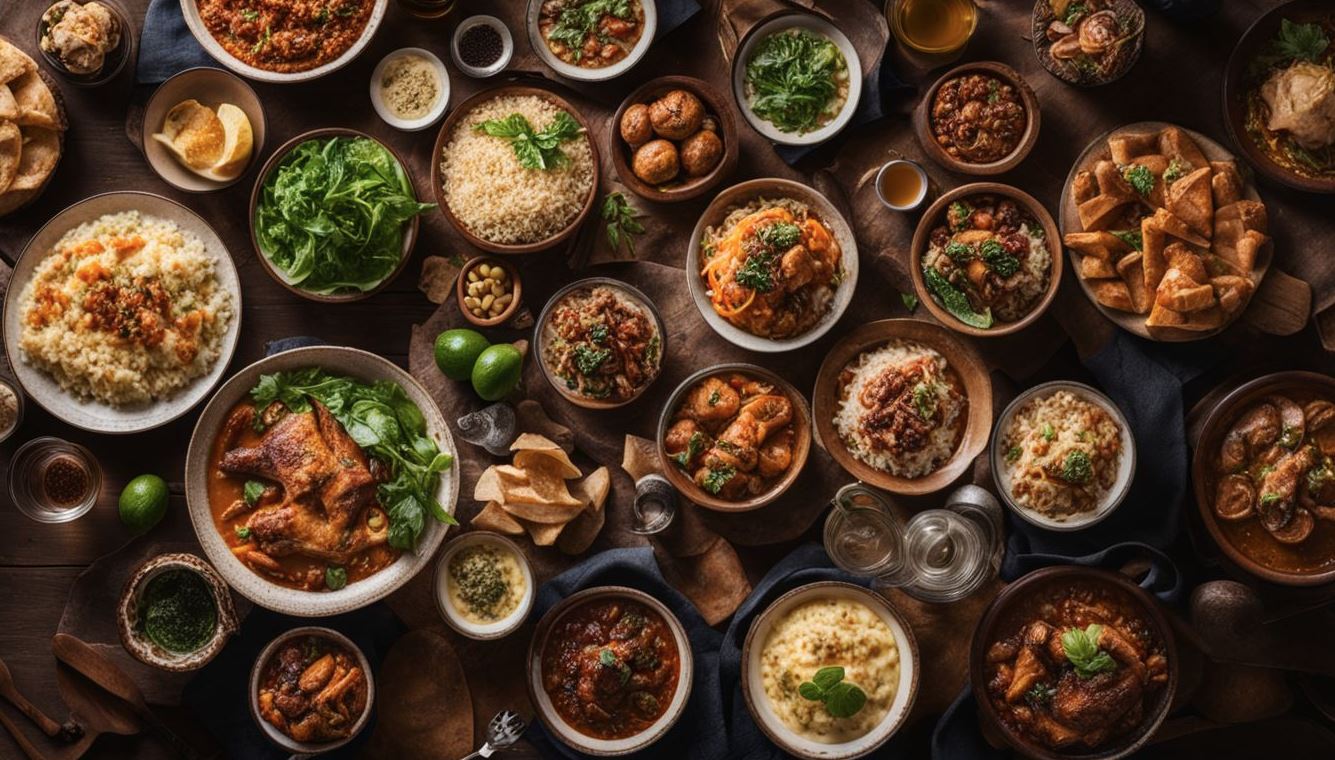
Landscapes, migrations, and memory carve distinct food identities that endure and evolve
Coastlines That Season Every Bite
Regions that face wide water tend to cook with the rhythm of tides, and their identities follow boats and weather reports, so chowders grow thick when storms roll in, raw plates shine on calm days, and preservation practices like drying and salting carry a taste of spray into colder months when nets rest and stories lengthen near stoves.
Mountains as Teachers of Patience
High valleys build cuisines that respect time because travel runs slow and harvests arrive in short bursts, so cooks lean on root cellars, curds set in cool rooms, and slow cooking that turns tough cuts into silk, and the plate often arrives with a quiet strength that reflects timber lines and long winters.
River Cities and the Art of Exchange
Ports along wide rivers turn markets into meeting grounds where spices, grains, and gossip mix freely, and the local identity becomes a ledger of small trades, so a stew might hold cinnamon learned from a trader, a pickle might echo a faraway festival, and the accent of the broth shifts with each new boat that ties to the dock.
Deserts That Cook With Wisdom
Arid regions write flavor with restraint and ingenuity, using long soaks, buried pots, and aromatics that bloom in heat rather than fade, and meals often center on grains that store well and on fruits that carry sunlight as concentrated sweetness, so the table honors water as an ingredient as precious as saffron.
Prairies and the Culture of Plenty
Grasslands feed herds and fields, so identity there hinges on roast and loaf, on preserves that fill shelves after harvest, and on gatherings that measure time by feasts after long work, and even modern plates in these places nod toward shared tables where platters pass in one steady direction from elder to child.
Islands and the Logic of Arrival
On islands, recipes evolve with each crate that makes landfall, so coconut meets tinned fish when storms delay catches, cassava joins rice when boats bring seeds, and cooks fold new arrivals into older methods like steaming in leaves or smoking over low coals, creating identities that feel both rooted and ready for the next tide.
Forests and the Language of Foraging
Regions thick with trees teach cooks to look down and listen, because mushrooms, nuts, and berries arrive without invoice, and preservation begins the day baskets fill, so regional plates lean on pickles, syrups, and ferments that carry the forest into winter when snow quiets paths and flavors deepen in jars.
Volcanic Soils and Bright Harvests
Where earth has cracked and cooled, vegetables glow with minerals and fruit carries a vivid edge, and cooks build identity on sauces that need little more than salt and oil to sing, while breads and pizzas rise fast near hot stones that seem to breathe, turning simple dough into regional pride that travels widely without losing home.
Wetlands and the Balance of Brackish Life
Marsh country draws flavor from the mix of fresh and salt water, so rice fields mirror sky, crustaceans crawl into nets, and smoke houses scent the air, and the table holds gumbo like conversations that never end, bringing together species that meet where tides push and pull in the same breath.
Tundra Craft and the Science of Cold
Cold lands build identity through raw preservation and fat that carries energy, so people cure, dry, and ferment with the help of air that behaves like a freezer, and hospitality often means a warm drink beside food that honors the animal completely, making respect for landscape inseparable from daily survival.
Market Squares as Memory Keepers
Every region centers its food self in a market square where baskets meet benches and music marks weekends, and sellers carry family styles in their hands, so the identity of the place tastes like repetition learned from elders and retold at stalls where regulars greet by order rather than by name.
Border Towns and the Taste of Translation
Edges between nations generate hybrid plates that feel inevitable, because cooks borrow a dough from one side and a filling from the other, or they pour a sauce that has two names and one soul, and these dishes become regional signatures that tell visitors about history without a single sentence.
Highways and the Rise of Roadside Icons
Routes that cut across wide maps produce landmarks that fix identity for travelers, from smoke shacks that paint the air to diners that butter griddles at dawn, and these stops anchor the memory of a region as strongly as grand restaurants, because the most honest voice often speaks from a counter with a line.
Migration and the Kitchen That Moves
When people carry recipes across oceans, regional identities shift in both origin and destination, as new cities learn a spice mix and as home towns taste export versions that return with small changes, which proves that place is not only soil and water, it is also people who remember and adapt with care.
Climate Change and New Seasons of Taste
Weather patterns rewrite calendars, so regions reconsider what ripens when and which fish still visit, and chefs who listen adjust quietly, moving planting dates, welcoming new varieties, and teaching guests that identity can flex while protecting its heart, because resilience becomes part of flavor just as surely as salt.
Religious Calendars and Rhythms of the Table
Fasting days, festival weeks, and rules around slaughter or dairy shape regional menus as strongly as geography, and cooks learn to express joy within boundaries, creating sweets for sunrise or savory pies for sunset, turning belief into a seasonal metronome that keeps communities in step across generations.
Work Food and the Taste of Labor
Regions famous for mines, ships, or mills create portable, sturdy meals that fit lunch pails and pockets, and these practical plates later gain esteem as heritage items, so a hand pie or a thick soup moves from shift break to festival booth, carrying the dignity of work into celebration.
Language on the Menu as Identity Armor
Spellings, dish names, and vendor slang protect place from dilution, and servers who pronounce carefully pass along culture as well as orders, teaching visitors how to speak a region with their mouths before they eat it, which keeps heritage audible even as recipes travel.
School Lunches and the Palate of a Region’s Future
What children eat in cafeterias becomes tomorrow’s comfort, so regions that serve seaweed salads, beans with bright herbs, or breads made from local grain will raise adults who find those flavors ordinary and good, and identity will grow in the direction of those trays.
Festivals That Rehearse a Region’s Story
Annual gatherings focused on harvests, fish runs, or saints solidify identity through repetition, because the same stew simmered each year becomes a binding agent for memory, and the shared act of stirring, serving, and eating reminds neighbors why their town tastes the way it does.
Sports Days and Stadium Food Dialects
Ballparks and arenas codify fast meals that fans claim as regional emblems, adding hot sauces born nearby or breads baked by long standing families, and the roar of the crowd mixes with steam to fix flavors into a public memory that often outlasts a winning streak.
Radio Kitchens and Voices That Travel
Local broadcasters who cook on air carry taste across hills and valleys where roads run slow, teaching preserves in winter and grilling in summer, and their shows build a shared pantry for scattered towns, turning identity into a conversation that many kitchens can join at once.
Street Names That Hide in Recipes
Many regions tuck addresses into dish names, linking a pastry to a lane, a broth to a quay, or a sandwich to a cross street, and these tiny maps inside menus let diners tour a city with their tongues, which keeps geography alive long after shops change hands.
Color Palettes on the Plate
Regions often prefer certain colors that match fields and skies, so coastal towns favor bright greens and silvers, mountain kitchens lean into deep browns and creams, and island tables flash reds and golds, and these palettes act like flags that fly from bowls and platters.
Utensils and the Way a Region Eats
Chopsticks, flatbreads, spoons carved from wood, and fingers dipped in shared sauces define more than technique, they define tempo and intimacy, and regional identity lodges in these choices because the method of eating tells as much about a place as the ingredient list.
Public Bread and Civic Pride
When a town names a loaf as its own and protects mills that grind local grain, the aroma from bakeries becomes a civic symbol, and morning lines outside small shops say as much about identity as parades, with crust crackle reading like applause for a shared craft.
Markets at Night and the Glow of Identity
Some regions live after sunset in stalls that steam and spark, and the crowd learns to associate flavor with neon and laughter, so the sound of oil meeting batter or the sight of skewers over coals becomes a lullaby that belongs to the city as surely as a skyline.
Regional Health Traditions and Kitchen Medicine
Teas for sore throats, soups for new mothers, and porridge for recovery define comfort within each region, and these small remedies say what a community believes about balance and care, passing quietly from neighbor to neighbor without the need for a clinic.
Icons That Travel and What They Leave Behind
Some dishes escape their birthplace and circle the world, and the place of origin then negotiates fame that brings money, visitors, and sometimes copies that bend the story, so local cooks respond by doubling down on craft, naming producers, and teaching young hands why the original still matters.
Plates That Refuse to Be Photographed
Certain regional foods resist neat borders and prefer to be eaten hot and messy, and their identity rests in movement rather than pose, so attempts to tidy them for screens often fail, reminding everyone that some flavors live best in the moment with sauce on sleeves and friends reaching across the table.
Architecture That Cooks With Light and Air
Courtyards, verandas, and basements shape regional styles as much as spices, because airflow cools ferment jars and sunlight ripens fruit on sills, and a place that builds with gardens in mind will naturally value salads and fresh herbs while a place of cellars will praise stews and pickles.
Regional Breakfasts That Set the Day’s Grammar
Morning foods write rules for the rest of the day, from porridges that promise steady energy to breads that invite preserves, and coffee rituals or tea services establish pace and tone, so visitors who learn the local breakfast learn how to belong for the remaining hours.
Street Art and Menu Boards
Murals and chalk signs often share motifs, and a place that paints fish on walls will likely list them proudly on menus, while a town that murals bread and grain will boast bakeries on every corner, creating a feedback loop where visual identity and edible identity reinforce each other.
War, Recovery, and Food That Remembers
Regions that lived through conflict carry memory in recipes that stretch scarce goods or honor those who left, and when peace returns those plates remain, not out of scarcity but out of respect, linking generations through quiet repetition that turns pain into endurance.
Schools That Teach Taste Alongside Numbers
Regions with classroom gardens and cooking clubs raise children who name herbs and judge doneness by scent, and those students become adults who demand markets that reflect what they learned, nudging identity toward freshness and respect for growers.
Street Level Economics and the Price of a Signature Dish
When a region treats its hallmark plate as a shared right rather than a luxury, carts and counters keep prices fair, and identity becomes inclusive, while places that gatekeep a signature food risk turning culture into museum glass that locals pass without touching.
Tourists and the Mirror Effect
Visitors can distort or strengthen identity, depending on whether hosts simplify for quick sales or illuminate for real conversation, and regions that choose to teach rather than pander end up with guests who return for depth, which protects the kitchen from losing its voice.
Recipes as Legal Documents and Shields
Some regions codify names and methods through consortiums or councils, setting standards that prevent dilution, and while debates can grow loud, the process itself signals value, telling the world that the dish is not a fad but a piece of heritage worth guarding.
Digital Communities and New Kinds of Local
People who share geography now meet online to trade sourdough starters, seed packets, and vendor tips, strengthening identity by lowering the barrier to participation, and this digital layer allows newcomers to learn quickly and elders to archive methods in a way that survives the passing of time.
Chefs as Translators Between Soil and City
In many places, cooks serve as bridges, visiting farms in the morning and dining rooms at night, and their menus explain the reasons behind choices with clarity, bringing towns into long relationships with growers and fishers, which shifts identity from trend toward stewardship.
Home Kitchens as Quiet Parliaments
Regional identity earns its authority at domestic stoves where families vote daily for what stays, what changes, and what fades, and these votes accumulate into custom that restaurants follow, proving that power resides where onions meet oil in the same pan every evening.
How Regions Teach Guests to Order
Some places encourage sharing, others prefer personal plates, some open with raw seafood, others start with bread and olives, and learning this order turns a traveler into a temporary local, while ignoring it keeps the experience shallow no matter the price of the meal.
Time Signatures and Meal Length
Identity also lives in duration, because a long afternoon lunch signals values different from a quick bite at a stand, and regions enforce these tempos through hours of operation and social expectation, shaping not only what people eat but how they speak to each other while they eat.
Future Foods and the Memory of Place
Innovation that succeeds draws from local logic, swapping new grains for old ones without breaking the flavor frame, or applying gentle technology to classic preservation, and by evolving in conversation with landscape and history, a region stays itself while greeting tomorrow with grace.
The Table That Teaches Where You Are
A region reveals itself when a plate explains the weather, the soil, the work, and the songs without a single lecture, and the best meals make that lesson warm and clear, inviting guests to return not as spectators but as participants who carry the story forward with care.