

Leaf and Linen
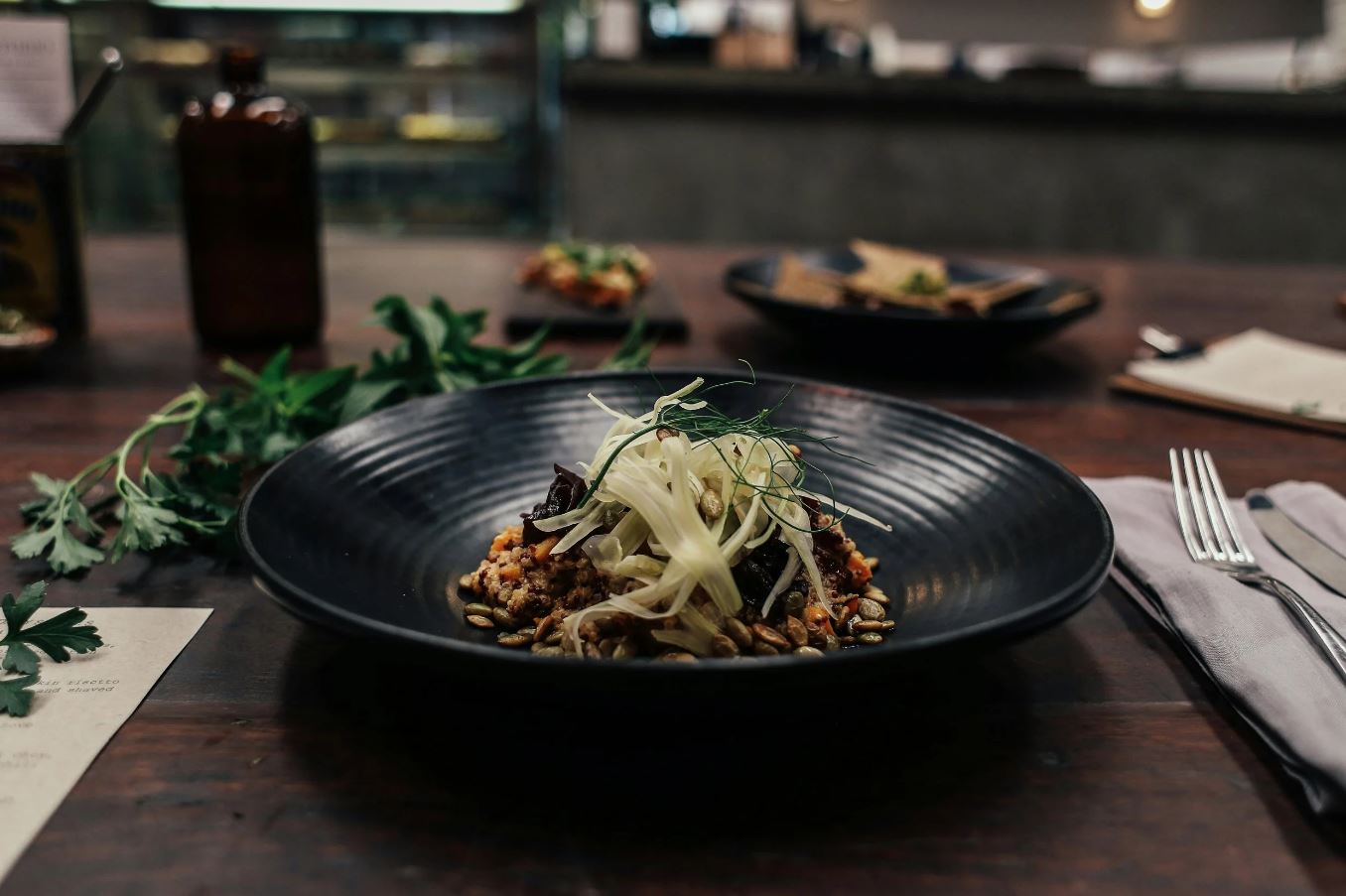
Vegetables, grains, and fungi claimed the white tablecloth and rewrote the language of luxury
Beyond the Side Dish
For decades the finest rooms treated vegetables as supporting actors next to steak and seafood, yet a new generation of chefs approached plants as sources of structure, perfume, and surprise, then designed menus where carrots stand center stage, where peas receive the same care as caviar, and where a mushroom course holds silence in the dining room because the texture reads like satin and the savor speaks in long sentences.
The Pantry That Thinks Like a Cellar
Plant focused fine dining begins with storage that respects season and time, so kitchens maintain cool spaces for roots, crisp drawers for greens, breathable baskets for alliums, and jars for ferments that wait through winter, and by treating vegetables like wine that needs the right cave, chefs keep sweetness and crunch ready for service without panic or waste.
Fungi as the New Grand Cru
Growers and foragers now deliver lion mane, maitake, and black trumpets with provenance and harvest notes, and chefs test slow roasting, gentle smoking, and kombu baths to amplify glutamates, which allows a single cap to replace an entire sauce program when shaved raw over warm emulsion or seared until edges lace like pastry.
Legume Craft at Tasting Menu Level
Chickpeas, lentils, lupins, and heirloom beans move beyond soups into quenelles, terrines, and custards, and cooks learn soak times, pressure curves, and blending limits to preserve aroma while reaching fine texture, then finish with citrus oils and herb broths that lift protein rich bites as gracefully as any beurre monté.
Vegetable Butchery as Theatre
The same precision once reserved for fish and primal cuts now applies to turnips and celery root, with station maps for brunoise, petals, ribbons, and cores, and guests watch as cucurbits are torched to release sap, cabbages are quartered like marble, and carrots are split to expose rings that later read like wood grain on the plate.
Fermentation as Memory Keeper
Fine rooms hold quiet shelves of lacto preserves and misos made from local beans or spent grain, and small spoons of these jars move courses from polite to deep, because a teaspoon of last summer in a pickle or a paste makes fresh greens taste like old stories told by a patient voice.
Stocks and Broths Without Bones
Chefs build clear liquids with roasted leeks, charred onions, dried tomatoes, kelp, and dried mushrooms, then clarify with gentle heat and time rather than harsh tricks, and these broths finish with texture from oil infusions of peppercorn and bay, creating a foundation equal to any demi, only brighter and kinder to later courses.
Smoke, Char, and the Edge of Fire
Plants welcome controlled fire in new ways because sugars and fibers transform quickly, so cooks blister green beans to bring out walnut notes, char cabbage until leaves turn sweet and brittle, and briefly kiss cucumbers with smoke before chilling, which frames raw with cooked and light with dark in a single plate.
Precision Oils and Dressing Architecture
House oils pressed from walnut, pumpkin seed, or camelina arrive in tiny droppers for measured finishes, and vinaigrettes shift toward restrained acid levels that let the plant speak first, then a final mist of citrus or verjus writes a faint signature that lingers without weight, giving servers a true story to tell in one calm sentence.
Grain Works With Linen Service
Millets, spelt, and heritage wheats take on the role of risotto or pilaf with a polish that fits silverware and stemware, and chefs balance chew with silk by finishing grains with vegetable emulsions, cultured oat cream, or clarified nut milks, so the bowl reads as elegant comfort rather than rustic filler.
Leaf to Root Menu Engineering
Luxury now includes thrift expressed as intelligence, so peels become crisps, stems become pickles, cores become syrup, and green tops become sauces, which lets a single crate of produce yield an entire arc of courses, and cost control aligns with ethics without a lecture, only with flavor that keeps guests leaning forward.
Pastry Without Butter as a Choice, Not a Compromise
Pastry chefs build flaky shells with laminated oils and bean waters, mousse with aquafaba stabilized by precise sugar stages, and ice creams with nut milks emulsified to tiny droplets, and the result is texture that spoons like a dream while tasting like the orchards and fields that supplied the pantry that morning.
Cheese Programs Reimagined With Plants
Cashew, almond, and pumpkin seed curds aged with cultures develop rinds and centers that slice and spread like classics, and pairings shift toward sourdough crispbread, herb honey, and preserved fruit, which teaches diners that complexity can arrive without dairy while honoring the craft of aging and care.
Sommeliers as Garden Translators
Pairings move toward low alcohol ferments, botanical distillations, and careful wines that respect delicate aromatics, and stewards learn to match chlorophyll brightness with mineral tension, roasted roots with oxidative notes, and ferments with skin contact whites, then explain choices in sensory language that connects garden beds to the glass.
Service Rituals That Honor the Plant
Tableside moments shift from carving to assembly, with warm sauces poured over greens to wake aroma, herb bouquets offered for guests to choose finishing notes, and tiny mills of smoked salt used with restraint, and these gestures feel intimate and exact, which fits fine rooms that value theater without noise.
Supplier Relationships That Start at the Seed Tray
Chefs call growers before spring to plan rare varieties, discuss heat tolerance, and agree on harvest windows that match menu testing, then sign forward contracts that share risk, which means the first tomato of the season lands on a plate within hours and the last bitter green of frost receives a dignified farewell course.
Kitchen Layout for Plant Power
Stations add grills with narrow grates for small items, steam infusion burners for green vegetables, dehydrators for chips and powders, and cold smoke boxes for herbs, and each tool earns space because it preserves life in a leaf or builds savory in a mushroom, which makes speed and finesse possible during the rush.
Color Theory on Porcelain
Plant forward plating leans on hue and gloss instead of protein shine, so chefs layer chartreuse oils, deep burgundy beet reductions, and snowy almond crumbs to create contrast that reads as composed rather than chaotic, and they choose plates with curves that hold sauces like a frame holds a painting.
Texture Stacking Without Meat
Menus seek three moves per bite, a fragile crisp from a dehydrated leaf, a lush center from roasted squash glazed with miso, and a cool element like citrus marinated fennel, and this stack makes the mouth travel as if a steak were present, yet leaves the body feeling light and alert for the next chapter.
Language That Invites Rather Than Defends
Menu writing avoids apology and avoids imitation, focusing on the ingredients at hand with verbs that show care, charred, glazed, pickled, tempered, and guests choose with confidence because the story promises flavor rather than ideology, which keeps the room curious and relaxed.
Nutrition Framed as Pleasure
Plant based menus often bring fiber and micronutrients together with low saturated fat by default, yet the pitch remains delight, not duty, and chefs design arcs that leave diners clear headed, satisfied, and ready to remember the night for its beauty rather than for a lecture about health.
Costing Models That Keep Integrity Alive
Vegetables can be affordable, but the labor to clean, trim, ferment, and plate with precision is real, so operators track prep minutes, yield percentages, and energy costs, then price courses to reflect craft while keeping portions generous, proving that business and values can share a table when math is honest.
Waste Audits as Design Tools
Teams weigh bins before and after menu changes, then adjust cross use until trim finds a home, and the data guides specials, preserves, and staff meal, which reduces cost and raises flavor, since nothing teaches creativity better than a quiet rule that every part deserves a purpose.
Accessibility and Abundance on the Plate
Chefs build courses that satisfy omnivores and long time plant lovers together, making room for rich sauces with nuts, clean broths that feel restorative, and crunchy elements that snap with sound, and this generosity wins repeat guests who bring friends with varied preferences because everyone feels seen.
Seasonal Cadence and Menu Rhythm
Spring wants raw and quick heat, summer sings with chilled soups and charred edges, autumn requests roasts and ferment echoes, and winter calls for deep broths and confit of roots in olive oil, and fine rooms plan courses that breathe with this cycle so that the year feels like a symphony rather than a loop.
Global Traditions as Guides, Not Costumes
Kitchens study stews, pickles, flatbreads, and porridges from many cultures with respect, cite sources, and invite consultants when needed, then adapt techniques to local produce with credit, which builds menus that feel grounded and generous rather than borrowed and thin.
Training the Brigade for the Green Line
New hires learn plant butchery tests, chlorophyll preservation, starch behavior, and emulsion stability with nut milks, and they pass station exams that measure speed and tenderness at the same time, because a leaf bruised by haste tastes like a mistake, while a leaf carried gently tastes like intention.
Dining Room Culture That Matches the Plate
Hospitality teams pace the room with space between courses, water without flooding the table, and pairings that keep conversation lively rather than heavy, and when the check arrives guests feel cared for rather than managed, a mood that floats from kitchen to floor when plants lead the story.
Technology as a Quiet Helper
Combi ovens manage humidity for precise vegetable cookery, induction protects herbs from scorching, and digital probes track carryover in dense roots, yet the final judgment still belongs to eyes, fingers, and noses, and the best rooms keep screens as tools while the senses remain the law.
Allergen Awareness Built In From Day One
Plant led menus handle nuts, soy, sesame, and gluten with care, using color coded tools and separate boards, and servers memorize safe swaps so that a guest with allergies can enjoy a full arc without fear, which elevates trust as part of luxury right beside stemware and silver.
Public Perception Shifts With First Bites
Many diners arrive skeptical and leave convinced after a single course that captures childhood memory, perhaps a tomato at peak ripeness with warm bread and peppery oil, or a roasted corn custard under a veil of herbs, and this emotional click transforms a trend into a habit that brings people back with friends.
Media Voices and Honest Storytelling
Writers and photographers document technique and origin with care, avoiding spectacle and focusing on growers, mills, and kitchens that put in long hours, and this balanced coverage keeps the movement from feeling like a fad, instead showing a craft that earns its place at the high table.
Economies That Spread the Win
When a plant based fine dining room buys from small farms, seed savers, and regional mills, money circulates through local hands, and the community sees restaurants as partners in soil health and apprenticeship, which makes the dining room part of a wider system that tastes better because it works better.
Home Tables Learn From White Tablecloths
Guests carry inspiration back to small kitchens, where they roast cabbage wedges with confidence, stir miso into grain bowls, and keep jars of preserved lemon beside the salt, and these habits raise the baseline of daily cooking, which in turn raises expectations for professional rooms, forming a loop that strengthens taste over time.
Events and Tastings With Purpose
Pop ups and guest chef nights exchange ideas about new ferments, seed varieties, and pairing strategies, and proceeds often support seed banks or farm apprenticeships, so celebration funds the roots of the movement and ties pleasure to stewardship in a way guests can taste and see.
Measures of Success Beyond Stars
Operators track repeat visits, staff retention, supplier stability, and community partnerships alongside press, because the health of a plant focused room shows in steady faces on the line, consistent greens in crates, and guests who bring their parents, not only in shiny decals on the door.
Failures That Taught Better Plates
Not every attempt lands, and early efforts to mimic meat often read like masks, so chefs pivoted to celebrate plant textures on their own terms, learning that a convincing carrot needs caramelization and acidity, not imitation, and that elegance comes from clarity more than from costume.
Future Flowers and Grains on the Horizon
Breeders and farmers collaborate on tomatoes that thrive in heat without losing perfume, beans that soften faster without losing skin integrity, and herbs that resist bolting while keeping tender stems, and these small victories will shape menus in the next decade with variety names that diners will learn to say with affection.
Why Guests Feel Lighter and Stay Longer
Plant based arcs often end with energy rather than fatigue, and parties linger for another conversation or a small digestif, which grows check averages without pressure and sends people home with a clear memory of flavor and ease, the two qualities that define true luxury more than price or noise ever could.
Closing the Loop With Compost and Seed
Kitchens weigh trim, compost with partners, and return finished soil to farms that grow the next season, and when spring arrives cooks visit rows planted with last year’s peels turned into humus, a simple cycle that frames every plate as part of a longer story that includes rain, worms, and patient hands.
Design That Lets Plants Breathe
Dining rooms lighten fabrics, widen windows, and place herbs near entryways so guests smell green before they sit, and this sensory cue primes palates for delicate perfumes, setting a tone that supports small bites and measured portions without leaving anyone hungry or doubtful.
Training Servers to Speak the Garden
Front of house teams taste raw and cooked versions of each featured vegetable, practice naming textures and finishes, and rehearse short stories about growers, then they guide guests with gentle confidence, which elevates the entire experience since the voice at the table becomes the final seasoning.
Resilience in a Changing Climate
Plant led rooms can pivot faster when supply shifts, swapping greens, changing grains, and rewriting sauces to fit what the field offers that week, and this agility becomes a performance advantage when storms or heat alter deliveries, keeping the promise of excellence without strain.
Pricing Honesty and Transparent Sourcing
Menus print farm names and season windows, explain why a particular nut oil costs what it does, and note when a course is limited to ten servings due to harvest size, and guests learn to value scarcity rooted in nature rather than in hype, which deepens trust and excitement.
Hospitality That Extends to Non Drinkers
Thoughtful zero proof pairings with herb distillations, teas, kombuchas, and clarified juices match courses with precision so that every guest receives a complete arc, and the care sends a clear message that fine dining belongs to everyone at the table without compromise.
The Plate as a Conversation With Place
At its best a plant led tasting reads like a walk through nearby fields, orchards, and forests, each course a postcard with scent and texture rather than ink, and when guests look back they remember not a list of techniques but an impression of a region in a particular month, which is the highest form of culinary storytelling.
The Green Standard
Plant based fine dining has moved from novelty to benchmark because it proves that restraint can feel lavish, that clarity can feel complex, and that care for soil and people can taste like joy, and as more rooms adopt this language of leaves and seeds, the future of luxury looks bright, fragrant, and wonderfully alive.