

Conversations Beyond the Stove
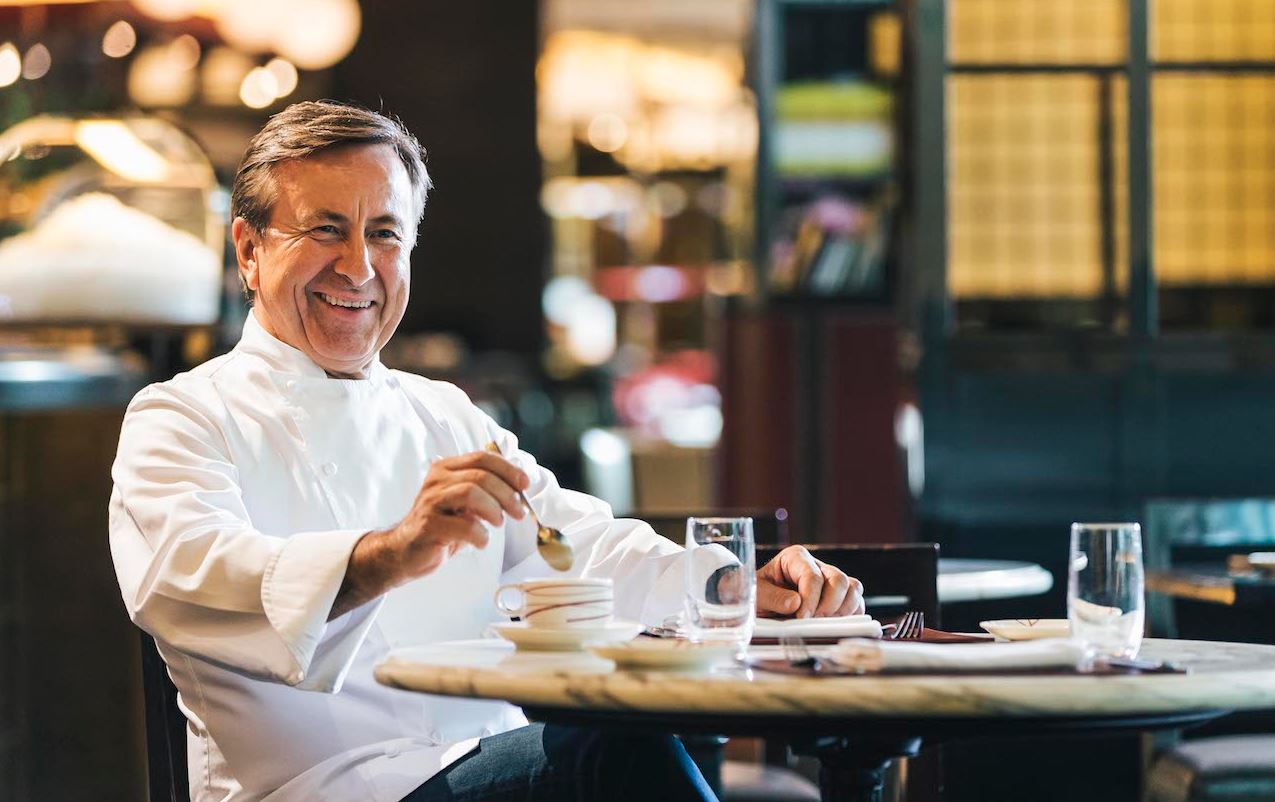
Candid Chef Interviews Reveal the Soul Behind the Recipes
The Hidden Language of Culinary Storytelling
Every chef carries a language that lives in silence. It appears not in words but in gestures, aromas, and the pulse of motion between pans. When an interviewer enters this world, they become a translator of the unspoken. Interviews bridge the gap between technique and identity, showing how a simple action like slicing herbs can reveal years of practice, trauma, and devotion. In a way, chefs do not cook meals. They compose sentences of flavor, punctuation shaped by heat, and structure formed by repetition. Each plate is a paragraph, every aroma an accent mark. Interviews allow that hidden writing to surface, turning the private act of cooking into a shared narrative that resonates beyond the kitchen walls.
Some chefs admit that the hardest part of speaking about their craft is finding words that do justice to sensations. Texture and timing rarely submit to language. Yet when they try, a poetic rhythm emerges. They begin to describe flavors like emotions, seasons like chapters, and recipes like evolving stories. This translation transforms interviews into something deeper than culinary journalism. It becomes a collective memory, preserving the voices of those who shape culture one plate at a time. Through these conversations, we realize that food does not simply nourish the body. It preserves identity, emotion, and ancestry, one question at a time.
When Technique Meets Intuition
Precision and instinct form a constant dialogue in every kitchen. The interviews that explore this tension reveal how chefs develop their intuition by first surrendering to structure. At the start of their careers, they measure, weigh, and memorize. They chase repetition until it becomes muscle memory. But eventually, something changes. Technique turns into instinct. They begin to improvise, guided by invisible cues that no recipe can teach. Interviews often capture this evolution, tracing the moment when skill transcends instruction. It is when a cook begins to trust the feel of a dough rather than the clock, or listens to the rhythm of a boil rather than the timer.
When chefs describe this transformation, it sounds almost spiritual. Many speak of cooking as meditation, where intuition becomes a form of faith. They say that ingredients respond to attention, that flavors whisper their secrets only when respect is present. Interviewers who listen carefully capture these moments of revelation, helping readers understand that mastery is not control. It is harmony. Through their words, we see that intuition does not replace science. It completes it, making food alive in ways that no manual can predict.
The Emotional Terrain of Taste
Interviews with chefs often unravel the emotional topography behind every dish. A bowl of soup might carry the weight of a lost parent. A dessert may celebrate freedom after years of self-doubt. Food becomes a diary, one that is read through taste rather than ink. When chefs recount their journeys, their stories are layered with sentiment, and each flavor reflects a phase of their lives. One chef might speak of cooking as a rebellion against hunger, another as a way of remembering their grandmother’s garden. These interviews give shape to the invisible threads connecting memory and flavor, revealing how cuisine becomes both biography and therapy.
Such intimacy invites readers into the private geography of the chef’s heart. The act of cooking becomes a mirror of emotion. When a chef describes the moment they first understood balance in a sauce or harmony in spice, they are describing the balance they seek in life itself. Interviews show that food is not an escape from emotion but an articulation of it. To cook is to speak through flavor, to confess through aroma, and to heal through nourishment. The kitchen becomes a sanctuary, and the interview, a confessional where honesty simmers slowly into wisdom.
Beyond the Spotlight of Fame
The public image of a chef often hides more than it reveals. Television, branding, and social media turn them into symbols of perfection, yet the interviews conducted in quieter spaces tell a different story. They show exhaustion after endless service, uncertainty in leadership, and the constant struggle to maintain identity amid expectation. Fame amplifies pressure but muffles sincerity. The most revealing interviews happen in moments of stillness, when the kitchen lights have dimmed and a cup of tea replaces the roar of a dinner rush. It is there that chefs speak freely, unfiltered by persona.
Many admit that they feel trapped between artistry and economics. They discuss the invisible weight of running a business while trying to remain creative. The audience learns that success in gastronomy often comes with solitude, and that behind every celebrated dish lies an unseen labor of endurance. Interviews humanize these figures, peeling away the myth of invincibility. They remind us that cooking at its core is still work, sustained by repetition, teamwork, and the resilience to fail publicly and still return to the stove the next day. Fame fades, but dedication remains. It becomes the heartbeat that defines their existence.
The Ethics of Curiosity
Interviewing a chef is an act of trust. The interviewer must enter a space that is both sacred and volatile. Kitchens are built on rhythm and hierarchy, where every movement has purpose. To interrupt that world requires sensitivity. The best interviewers respect silence as much as speech. They understand that not every secret should be revealed, and that some recipes are guarded for reasons beyond ego. Ethical interviewing is less about extraction and more about exchange. It is about creating a space where vulnerability feels safe, where truth emerges naturally without pressure.
When this balance is achieved, the conversation becomes transformative. A chef begins to articulate philosophies they never realized they held. They reveal how the smallest gestures, like tasting salt, carry moral choices about sourcing, sustainability, and respect for labor. Through these dialogues, readers gain insight into the ethics of food itself. Interviews become a mirror reflecting not only the chef’s soul but society’s evolving conscience about consumption, waste, and fairness. Curiosity, when practiced with care, becomes a form of empathy that nourishes understanding on both sides of the conversation.
Interviews as Culinary Preservation
Time moves quickly in the culinary world. Trends vanish in months, and techniques are reinvented overnight. Interviews act as anchors, capturing these moments before they disappear into history. Each chef’s voice becomes part of an oral archive that future generations can revisit. Their reflections preserve not just recipes but philosophies, cultural shifts, and innovations that might otherwise vanish. Interviews ensure that the ephemeral becomes permanent, that the sweat of the kitchen finds immortality through story. In this way, they are as vital to gastronomy as cookbooks, museums, or schools.
Many culinary historians rely on interviews to reconstruct forgotten eras of taste. Through spoken accounts, they trace how migration, trade, and technology shape cuisines. They uncover how war, scarcity, or colonization altered the pantry of a people. Interviews allow these details to breathe through memory, giving voice to those who cooked without documentation. Each transcript becomes a monument to oral tradition, reminding us that food history is not only written in ink but also in conversation. The preservation of a chef’s voice is the preservation of a culture’s rhythm.
The Future of Chef Conversations
As media evolves, the nature of chef interviews changes too. Podcasts and digital video have brought audiences closer than ever to the kitchen’s heartbeat. Listeners can hear laughter echo against metal counters, the clink of utensils punctuating reflection. These sensory details make interviews immersive, blurring the line between story and experience. Yet this immediacy introduces new challenges. Chefs now navigate the tension between authenticity and performance. They must be mindful of how every word will live online indefinitely, shaping public perception beyond intent. The intimacy of older interviews now contends with the scrutiny of modern platforms.
Some chefs have embraced this openness, turning interviews into teaching tools that demystify professional cooking. Others retreat, wary of distortion. The landscape keeps shifting, and the conversation must adapt. Technology can record voices more easily than ever, but sincerity remains fragile. Future interviews may depend on restoring slowness, creating digital spaces that still allow reflection. As audiences grow more sophisticated, they will seek stories that feel lived rather than staged. The survival of honest chef interviews will depend on respect for pause, vulnerability, and truth spoken without fear of being edited into spectacle.
How Culture Shapes the Interview
The questions a chef is asked often reveal as much about the interviewer’s culture as the chef’s answers do. Western media tends to romanticize individuality, seeking stories of genius and rebellion. In contrast, interviews in Asia or Latin America often highlight lineage, teamwork, and heritage. These cultural differences shape the rhythm of dialogue, altering what chefs choose to share. Understanding these nuances is essential for anyone reading chef interviews critically. It reminds us that every answer is framed by context, and that authenticity has many dialects.
Some of the most revealing interviews come from cross-cultural exchanges, where language itself becomes a bridge and a barrier. Translators, tone, and gesture all influence meaning. A pause might signify humility in one culture and discomfort in another. Through careful attention, the interviewer learns to read beyond words, sensing truth through rhythm and body language. Such sensitivity transforms an interview into anthropology. It becomes a study of how humans relate to creation, memory, and pride through food. Culture gives every conversation its unique flavor, and the best interviews taste of both voices equally.
The Subtle Art of Silence
Not every question needs an answer, and not every silence needs to be filled. Some of the most profound insights in chef interviews arise when both speaker and listener allow quiet to settle. Silence in the kitchen has its own temperature. It can signify concentration, exhaustion, or peace. When interviews respect that silence, they uncover layers of humanity that constant questioning might drown. A pause becomes a form of punctuation, letting thought simmer before it is served. It shows that conversation, like cooking, thrives on timing.
Interviewers who master this art often describe their work as choreography rather than interrogation. They follow the rhythm of breath and expression. They wait for moments when memory surfaces uninvited. In those spaces, the chef reveals their truest self. These quiet fragments, when transcribed, become the most memorable lines of an interview. They remind readers that speech is only half of communication. The rest is feeling, conveyed through silence that lingers like the aftertaste of a perfect dish.
The Eternal Dialogue Between Chef and Story
Every chef interview is a bridge between craft and consciousness. It captures the moment when work becomes philosophy and when flavor becomes testimony. These conversations remind us that cooking is not only an act of feeding but also of remembering, questioning, and revealing. Interviews preserve this dialogue for future generations, ensuring that the essence of culinary art remains both audible and alive. The more we listen, the more we understand that chefs are not merely creators of dishes but storytellers of existence. Through their voices, we learn that the language of food is infinite, and that every question asked across a table keeps the fire of their stories burning.