

Roads of Flavor Begin in Soil
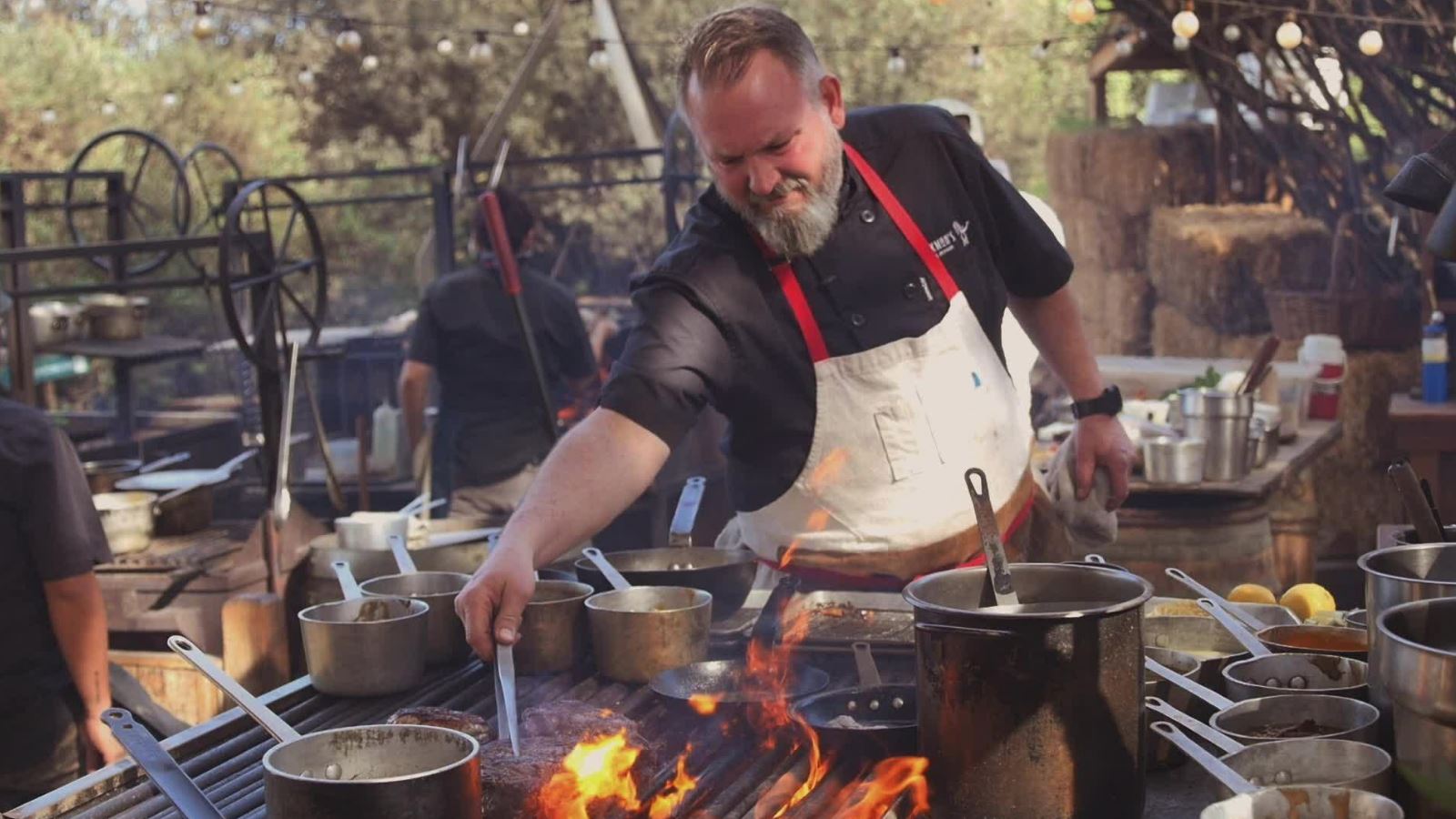
Ingredients travel from fields and barns to a plate with integrity, transparency, and joy
Seeds Mark the Starting Line
Every journey begins with a seed that carries history and potential, and farmers choose varieties for taste as well as resilience, which means cooks can later taste the decisions made months earlier in a greenhouse or a shed where trays of seedlings lined a table under gentle light.
Soil as the First Pantry
Healthy soil behaves like a living larder that stores water and minerals while hosting microbes that unlock nutrients, and growers feed this pantry with compost, cover crops, and patient rotation so roots can dig easily, leaves can sip sunlight, and flavor compounds can form with confidence.
Water With Wisdom
Irrigation shapes texture and sugar in produce, and farms that track soil moisture, mulch properly, and irrigate at dawn protect both yield and flavor, while kitchens down the road gain carrots that snap cleanly and tomatoes that sing without a handful of extra salt.
Pollinators as Silent Partners
Bees, beetles, and breezes move pollen from flower to flower, and hedgerows of native plants invite these partners to stay, which raises fruit set and improves the size and shape of harvests that later glide through prep with less trim and more delight.
Animal Welfare and the Taste of Calm
When livestock live with space, clean bedding, and steady feed, stress stays low, meat cooks evenly, and dairy carries a clean finish, and chefs notice how gentle handling on farms turns into reliable behavior in pans and ovens without added tricks.
Harvest Windows and Peak Ripeness
Picking at the right hour matters as much as the right day, since cool morning harvests hold sugar and crunch while hot afternoon cuts may wilt before they reach the truck, and teams plan routes that let crisp greens rest in shade while heartier roots wait patiently for the next stop.
Sorting and Field Packing
At the edge of a bed or near the barn door, crews sort for size and quality, pack into vented crates, and log block and row details that follow each box to the restaurant, and this careful labeling lets chefs track which plot produced the sweetest melon of the week.
Cold Chain as Flavor Insurance
Hydro cooling, ice blankets, and quick trips into walk ins slow respiration in produce, and a tight cold chain protects herbs from blackening and berries from bleeding, so when the van unloads, the kitchen receives goods that look ready for a camera and taste ready for a spoon.
Transport That Respects Time
Small farms coordinate deliveries with routes that minimize idling and shaking, and some share refrigerated vehicles to reduce cost and emissions, which means chefs can plan prep days with confidence and design specials that sell out rather than limp through a week.
Receiving With Care
Restaurants that prep a thoughtful back door routine win the first minute of quality, checking temperatures, logging lot codes, weighing cases, and moving crates to the right zones without delay, while quick thanks and a signed invoice cement a relationship that lasts beyond one truck.
Transparency on Paper and on Plates
Provenance cards, chalkboard notes, and simple menu lines that name farms build trust with guests, and suppliers who share seed choices and harvest dates make it easy for kitchens to tell honest stories that deepen flavor by adding context alongside salt and acid.
Menu Engineering That Follows Fields
Chefs who read planting calendars write menus that move with the season, anchoring with staples while opening room for gluts and gaps, and this flexibility turns a sudden flush of zucchini into fritters or a shortfall of greens into a hearty grain salad without panic.
Nose to Stem and Nose to Tail
Whole animal and whole plant cooking closes loops and opens flavor, turning carrot tops into pestos, leek tops into broths, and rib trim into sauces, and the habit lowers food cost while printing a deeper, greener signature on the dining room.
Preservation Extends the Arc
Pickling, drying, fermenting, and confit carry peak season into lean months, and a jar of tomatoes captured in late summer can lift a winter stew without flying fruit across a continent, which keeps the carbon footprint small and the flavor memory large.
Grains and Mills Close to Home
Regional mills revive heritage wheats and ryes that offer aroma and nutrition beyond commodity flour, and fresh milling preserves volatile oils that bake into crusts with real character, so the bread basket becomes an introduction to the local field rather than an afterthought.
Dairy from Pasture to Pastry
Milk from grass fed herds changes with pasture and weather, and pastry teams adjust butter handling for firmness and water content, while cheese programs rotate with aging rooms at nearby creameries, which turns dessert into a guided walk through hills and barns.
Responsible Seafood From Boat to Burner
Dockside calls and text alerts let line cooks know when small boats land with sardines, mackerel, or mussels, and ice slurries keep catch firm during short trips, so the evening grill plan adapts to currents rather than to a warehouse schedule that ignores the tide.
Wild Foods and Ethical Foraging
Chefs partner with licensed foragers who understand limits, habitat, and safety, and agreements spell out no take zones and traceable volumes, which protects ecosystems while adding bright bites of ramps, nettles, or mushrooms that carry the scent of rain and leaf mold.
Urban Farms and Rooftop Beds
Cities now grow herbs and greens above dining rooms and on nearby lots, shortening travel to minutes, and kitchens schedule picks just before service, which places living perfume on a plate and invites guests to step outside after dinner to see where the garnish began.
Compost Full Circle
Trim and plate scrap return to farms as compost where regulations allow, and farmers report back on soil tilt and moisture, while restaurants weigh bins to track progress and celebrate lighter trash days, turning waste logs into motivators rather than scolds.
Contracts That Protect Both Sides
Forward agreements on volume and price give growers stability and give kitchens predictability, and clauses that share risk for hail or flood encourage honesty, so tough seasons do not end relationships and strong seasons do not breed resentment.
Education for Staff and Guests
Line cooks visit fields to feel clay and loam under boots, servers taste fruits at different ripeness to learn how to describe them clearly, and pre shift notes connect a face and a field to each plate, so hospitality arises from knowledge rather than from script.
Nutrition and Flavor as Allies
Fresh harvests retain vitamins and antioxidants that degrade with time, and menus that lean into living greens, whole grains, and clean fats satisfy both palate and body, which persuades guests to return for how they feel as well as for what they taste.
Technology That Serves the Field
Simple tools like soil probes, weather alerts, shared spreadsheets, and route optimizers cut waste without erasing craft, while kitchens use digital logs for temperatures and prep yields to reduce guessing, and both sides keep the heart of the work in hands and noses.
Financial Math That Makes Integrity Survive
Costing includes fair farm prices, delivery fees, labor to clean and trim, and expected loss, and operators who teach this math to the whole team build buy in that keeps portions sensible and waste low, so values can live past the first busy month.
Food Safety Across the Journey
Good practices begin at the pump and the wash station, continue through sealed trucks, and finish at labeled shelves and clean boards, and shared checklists prevent weak links, because safe food and good food are the same when everyone treats sanitation as craft.
Flavor Mapping From Field Notes
Chefs keep notebooks on which farm grew the sweetest corn at a given time, which pasture produced the butter with the deepest color, and which mill delivered flour that rose best in humid weeks, and these notes steer purchasing as surely as any review ever could.
Seasonal Beverages Join the Journey
Bars press herbs from rooftop beds into syrups, infuse vinegars with orchard fruit, and pour low alcohol pairings that match the energy of the plate, and non alcoholic paths receive equal care so everyone at the table drinks something that tastes of the same land.
Community Supported Agreements With Diners
Restaurants invite guests to join farm shares with pickup at the host door, and classes teach how to cook a surprise box with confidence, which turns regulars into partners and keeps local fields solvent through late frost and early rains.
Emergency Response and Mutual Aid
During storms, kitchens purchase quickly from farms that lost cold storage, convert perishable produce into soups and sauces, and donate meals to shelters, and farmers later repay with discounts or extra cases during bumper weeks, building a loop of care that outlasts headlines.
Culture and Equity Along the Route
Farm to table should also mean credit to hands that harvest, fair wages on the line, and menu language that honors the communities who nurtured seeds and methods, which keeps the journey honest from field to dining room and invites more people to see themselves in the story.
Kids at the Table and in the Garden
Schools partner with farms for tastings and small beds, children learn to pull a carrot and rinse it in a bucket, and families later look for those names on menus, which grows a future audience that understands why a strawberry in spring tastes better than a strawberry in snow.
Waste Heat and Energy Choices
Kitchens that move toward induction cut room temperatures, protect staff comfort, and lower utility bills, and farms that install solar pumps or wind at the ridge reduce costs that would otherwise push prices up, so both sides share gains that keep plates accessible.
Story Without Romance
Clear facts beat vague poetry, and a short sentence about a field on sandy loam or a herd fed by clover says more than long marketing lines, and guests who receive simple truth respond with trust, which is the best seasoning for a long relationship.
Plating That Honors Shape and Work
When carrots arrive with a curve from wind and soil, the plate shows that curve rather than hiding it, and when a chop carries a clear fat cap from a careful butcher, slicing respects the grain, because beauty follows the path of labor and land rather than a trend.
Regional Flourishes Not Global Imitation
Menus rooted in nearby fields feel complete without borrowing symbols from elsewhere, and cooks build identity by letting local herbs, grains, and fish speak, then inviting visitors to learn rather than chasing a vague idea of everywhere.
Measuring Impact Without Guesswork
Operators track miles saved, percentages of local spend, and bin weights before and after new systems, and they share results with teams and farms, which keeps efforts grounded in numbers and helps adjust where intentions did not match outcomes.
Guests as Co Authors
Feedback cards ask if diners could taste the season or recognize the farms, and specials evolve from what guests loved rather than from what a spreadsheet predicted, and this loop turns the dining room into the last stop on the journey as well as the first step toward the next menu.
Legacy and Succession on the Farm and in the Kitchen
Apprenticeships prepare young farmers to inherit rows and irrigation maps, while junior cooks learn purchasing and costing so they can steward relationships, and both sides write manuals and record stories, ensuring that a change in leadership does not sever the path between seed and plate.
Rain Plans and Drought Plans
Climate brings surprises, so farms pick resilient varieties, install water catchment, and plant windbreaks, while kitchens build menus with flexible components that can swap when a storm flattens greens or a dry spell slows fruit, and both sides treat adaptation as a daily muscle rather than a once a year drill.
Celebrations That Make the Journey Visible
Harvest dinners under strings of lights give farmers a chance to speak and guests a chance to clap, and plates move through courses that tell a year in tasting notes, beginning with a tart bite, moving into a warm braise, and closing with fruit preserved at its sweetest hour.
The Promise Carried From Gate to Glass and Plate
When farm and kitchen walk together, a meal holds the crisp snap of morning harvest, the calm of animals treated with care, the cool breath of a well kept truck, and the steady hands of a cook who knows where each ingredient grew, and that promise turns dinner into a small act of stewardship that lingers long after the table is cleared.