

Lessons From the Heat of the Classroom
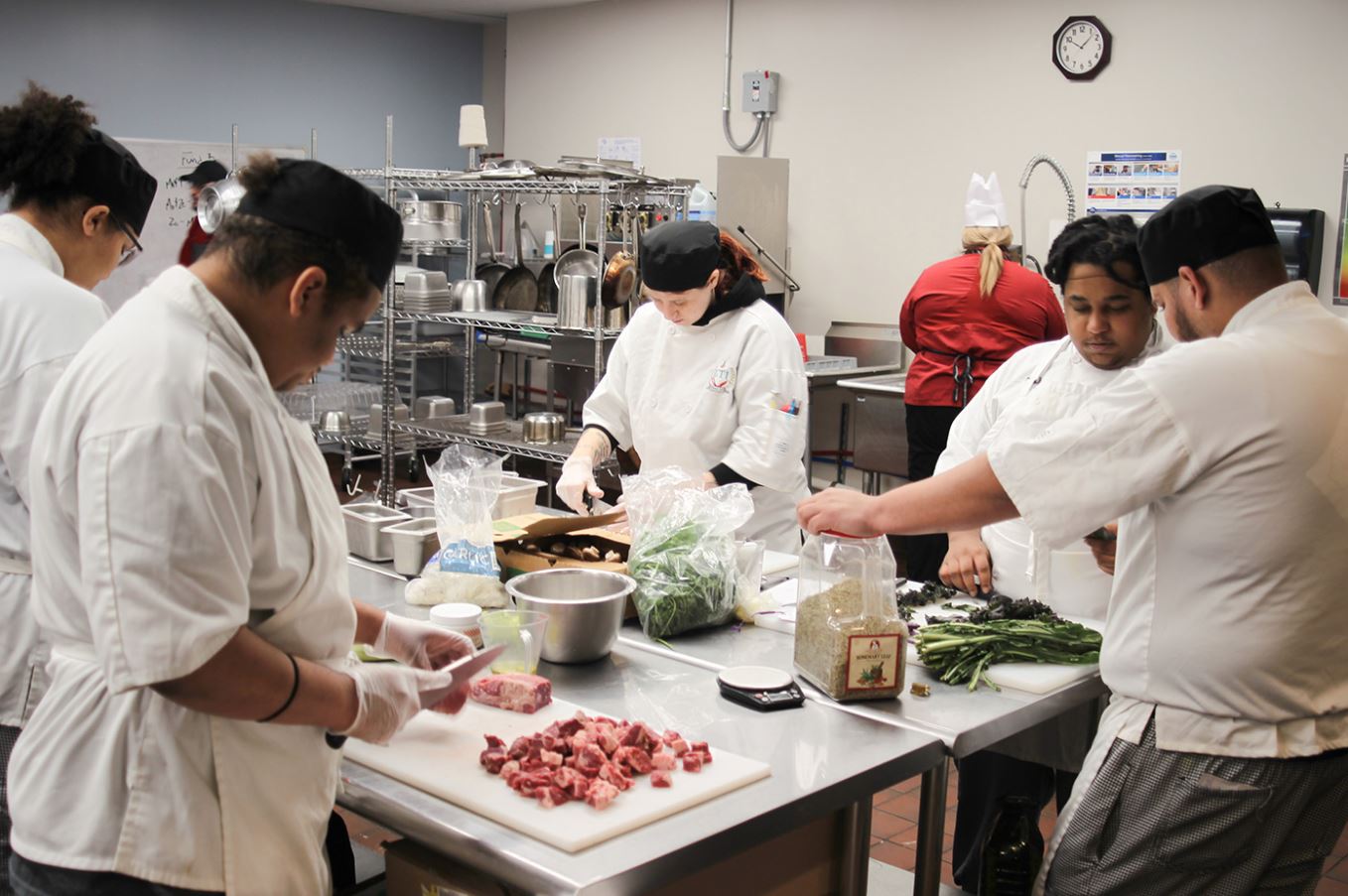
What time on the line, in labs, and at the pass really teaches beyond recipes and exams
The First Whites and the Weight of a Jacket
The first time a student buttons a crisp jacket the fabric feels heavier than expected, not from cotton but from responsibility, because the garment promises cleanliness, care, and attention to every plate that leaves the pass, and with that promise a beginner begins to stand differently, to hold a knife with intention, and to breathe in a way that matches the steady hum of the lab.
Knife Skills as a New Alphabet
Julienne, brunoise, and paysanne arrive like letters of a language that the hands must learn before the mind can think in it, and repetition turns wobbling cuts into clean edges that cook evenly, which in turn builds trust in sauces and sautés because timing stops being guesswork once shapes behave predictably in heat.
Stocks and the Patience of Water
On quiet mornings stock pots teach that flavor rises slowly when bones, vegetables, and time work together, and students learn to skim with light hands, to respect gently moving surfaces, and to record notes on clarity and aroma so that tomorrow’s batch repeats success rather than rolling the dice with the same ingredients.
Sensory Training in the Tasting Room
Guided tastings refocus attention on salt, acid, bitter, sweet, and savor as distinct threads that weave a dish, and with each small spoonful the class learns to name textures and finishes, which transforms vague comments into useful critique, and gives everyone a shared map for the road ahead.
Sanitation as the True Foundation
Gloves and towels, hand sinks and thermometers, labeled bins and rotating shelves seem dull until a single lapse ruins a batch or risks a guest, and then the discipline becomes real, because clean habits protect both people and dreams, and the person who polishes a station first often cooks best when the room tilts toward chaos.
The Lab Clock and the Dance With Time
Classes end at fixed hours, ovens preheat at their own pace, and reductions refuse to rush, so students begin to stack tasks like cards in a careful game, blanch now, chill while the pan heats, sear while the stock reduces, and plate with seconds to spare, which turns time into a partner rather than a bully.
Bakeshop Mornings and the Grammar of Precision
Scale readings, hydration percentages, and proofing curves replace loose estimates in pastry, and flour teaches respect for climate, because dough breathes differently on rainy days than dry ones, and students discover that tenderness comes from measured patience just as much as from butter or sugar.
The First Broken Emulsion and the Calm Fix
Every cohort sees a hollandaise slip or a vinaigrette separate, and the instructor shows that rescue begins with breath, a clean bowl, controlled heat, and a slow stream, and the class learns that failure is not final when method remains, a truth that follows them far beyond eggs and oil.
Team Stations and the Social Side of Flavor
Cooking for a grade becomes cooking for a partner’s success when stations share mise and time, and students discover that clear calls, quick wipes, and quiet help turn a room full of competitors into a brigade where everyone rises together because shared momentum tastes better than individual glory.
Garde Manger and the Art of Cold Balance
Salads, terrines, and cured fish demand harmony without heat to hide errors, and the class learns to build contrast through acid, fat, and crunch, to dry leaves carefully so dressing clings without drowning, and to slice with a single confident motion that keeps edges true and aromas bright.
Butchery Day and Respect for the Whole
Splitting chickens and trimming primals bring silence to a room because the work carries weight, and students track bones for stock, fat for rendering, and trim for grind, which reframes protein from individual portions to a complete system where nothing leaves the table without a purpose.
Vegetable Cookery and the Science of Green
Labs on chlorophyll and cell walls transform peas and beans into lessons about salt levels, blanch times, and shock baths, and the class watches color shift with pH, learning to hold brightness through timing and seasoning rather than through tricks, which makes the plate honest and the palate clear.
Global Cuisines and the Ethics of Reference
Survey courses introduce techniques and histories that belong to communities, and instructors insist on proper names, respect for sources, and curiosity about context, so the students practice flavors with humility, credit teachers and texts, and learn that authenticity begins with listening and continues with care.
Cost Control and the Math Behind Romance
Yield tests pull fantasy back to earth as students weigh trim, calculate portions, and discover that a menu sings only if margins hum, and by the end of the unit a beautifully cooked steak without waste and with smart sides feels like poetry that also pays the bills.
Front of House Rotation and the Language of the Room
Service practicums place students with trays and order pads where they learn that hospitality speaks through eye contact, pacing, and the right sentence at the right time, and back in the kitchen they plate differently because they have carried plates through narrow aisles while guests ask questions with eyes and smiles.
Wine and Beverage as Flavor Multipliers
Pairing labs show that a sip can lift a bite when acid meets fat or when sugar cools spice, and students who once saw drinks as add ons start composing with glass and plate together, which makes the experience whole and teaches restraint because overpowered food or wine fails both sides at once.
Nutrition Courses and Cooking for Real Lives
Macronutrients, sodium targets, and allergen protocols shift the frame from display to wellbeing, and students practice building plates that satisfy without dragging energy, which prepares them to cook for elders, athletes, children, and busy workers with equal respect and craft.
Internships and the Shock of Real Lines
Externships send students into kitchens where tickets do not pause for lectures, and the first week humbles even stars, yet confidence grows as mise tightens and calls become sharp, and the bridge back to class carries new grit that no textbook can lend.
Feedback Circles and Learning to Hear Without Armor
Critique days begin as storms and end as maps when students separate self from plate, ask clarifying questions, and note patterns across weeks, and this habit of productive listening becomes a secret advantage in jobs where speed rewards stubbornness but success rewards adaptation.
Plating Labs and Honest Beauty
Instructors push for design that serves function, sauce beneath to guard heat, height only when edible, color that signals flavor not noise, and students discover that elegance appears when decisions honor the bite rather than the camera, which keeps the guest at the center of every choice.
Food Safety Exams and Calm Under Clipboards
ServSafe style tests measure knowledge of temps and hazards, yet the true lesson is composure, because the same steady focus that keeps a cooler log correct also supports a dinner rush, and graduates carry that steadiness into inspections and openings later in their careers.
Career Services and the First Resume That Tells a Story
Workshops translate labs into lines that make sense to owners, and students learn to frame tasks as outcomes, not just chopped vegetables but improved yield, not just plated desserts but reduced waste, and this language turns classroom hours into evidence of value.
The Cost of Tools and the Economics of Care
Tool lists feel expensive until a dull knife ruins product or a snapping thermometer misses danger, and investment begins to look like thrift when tools last, so students learn to budget for steel, stones, and shoes, and to count maintenance hours as part of their craft.
Late Labs and the Shape of Discipline
Some classes run into the evening when patience thins and mistakes multiply, and those hours teach rituals that protect quality, clean as you go, call times aloud, build backups, and taste before the last minute, and the rhythm forged there carries into nights on real lines when the dining room refuses to slow.
Field Trips to Farms and Docks
Visits to growers and fishmongers attach faces to invoices and turn sourcing into relationships, and students remember the feel of soil, the smell of a boat hold, and the sound of a farmer naming a seed, which shifts purchasing from price alone to value that includes people and place.
Culture Building in the Classroom Kitchen
Instructors model teams that credit dishwashers and thank stewards, that collect compost and donate extras, and that correct mistakes without cruelty, and students see that excellence and kindness can share a room, which shapes the kind of leaders they will later decide to be.
Menu Engineering and Psychology on a Page
Design courses reveal how placement, naming, and pricing influence choice, and students sketch boards that guide eyes to profitable plates without trickery, then test versions on campus diners to learn that clarity and honesty sell better than gimmicks, which helps when opening night meets rent day.
Technology in Modern Labs
Combi ovens, immersion circulators, and induction burners expand options while reducing waste heat, and data logs from smart probes teach students to trust measurements over myths, yet teachers remind them that tools amplify judgment rather than replace it, so intuition and charts must walk side by side.
World Spices and Building a Personal Library
Spice labs encourage roasting, blooming, grinding, and blending in small batches, and students keep notebooks on heat curves and pairings, which becomes a private atlas they carry into future menus where a teaspoon of a remembered mix can turn a serviceable plate into a quiet signature.
Soft Skills Hidden in Hard Classes
Time management, conflict resolution, and mentoring sprout around tasks like peeling cases of onions or folding hundreds of napkins, and students notice how a kind word lifts a partner’s pace or how clear delegation saves a sinking station, which proves that leadership begins before anyone grants a title.
Failures That Became Teachers
Bread that refused to rise, fish cut against the grain, caramel that leapt past amber into smoke, these mistakes sting in the moment yet write the deepest lines in memory, and graduates later tell new hires that the difference between a novice and a pro is not perfection but recovery.
Competitions and the Edge of Performance
Team contests condense weeks of learning into one plate under bright lights, and students practice rehearsed movements, rehearse tempering nerves, and compress flavors into precise stories, discovering that execution under pressure requires both humility and swagger in equal, measured amounts.
Alumni Panels and Real Talk
Graduates return with stories of overnight prep, unexpected kindness, and the long path from line cook to sous, and their candor helps current students calibrate dreams, showing that steady growth outpaces sudden hype, and that curiosity remains the engine long after grades fade.
Writing and Food Media for Chefs
Assignments on recipe headnotes and press releases train students to explain flavor decisions without fluff, to credit sources, and to give clear measures and methods, and this practice later supports cookbook projects, social posts for openings, and the simple act of leaving a useful prep sheet for the next shift.
Diversity of Palates and Inclusive Menus
Classes highlight how culture, faith, and health shape what tastes right to different guests, and students practice building choices that feel complete for vegan, halal, kosher, and allergy sensitive diners, which expands hospitality from tolerance to genuine welcome.
Environmental Stewardship Without Buzzwords
Waste logs, compost systems, and energy audits become part of labs rather than separate lectures, and as bins get lighter and utilities drop, students learn that sustainability is a series of daily decisions more than a slogan, and that thrift, flavor, and ethics can align in one pot.
Financial Aid Offices and the Reality of Debt
Reflections on tuition and repayment prompt frank talks about job choices and side gigs, and faculty advise on scholarships, grants, and employers who invest in education, helping students plot paths where passion and solvency walk together without one trampling the other.
Mental Health and the Long Career
Workshops address sleep, hydration, movement, and boundaries, because talent burns fast without care, and students practice simple resets like breathing drills before service, five minute stretches after, and open conversations with peers, all of which protect the craft they love from becoming a burden they resent.
Capstone Dinners and the First Public Voice
Final projects ask students to design menus that speak in their own style, and in those nights they discover how to pace a room, direct a small team, and adjust on the fly when a delivery misses or a sauce turns, and the applause at the end seals months of study into a memory they can hold during future rough nights.
Letters of Thanks and the Bridge Out
On the last week many students write notes to instructors, stewards, librarians, and guards, learning that gratitude keeps doors open longer than grades, and they pack knives with the quiet knowledge that every cook is also a student if they choose to remain one.
What the Classroom Gets Right and What the Line Finishes
Culinary school builds fluency, discipline, and a shared vocabulary, while the industry sharpens speed, stamina, and adaptation, and together they shape professionals who can think clearly while moving quickly, which is the real magic of a kitchen where learning and labor always mix.
The Diploma That Smells Like Stock
When graduation day arrives the paper represents more than credit hours, it carries the scent of simmered bones, the sting of early burns that healed, the rhythm of service drills, and the voices of classmates turned colleagues, and it reminds each new chef that education does not end at the stage, it continues every time a knife meets a board and a plate meets a guest.