

Passports Stamped With Steam
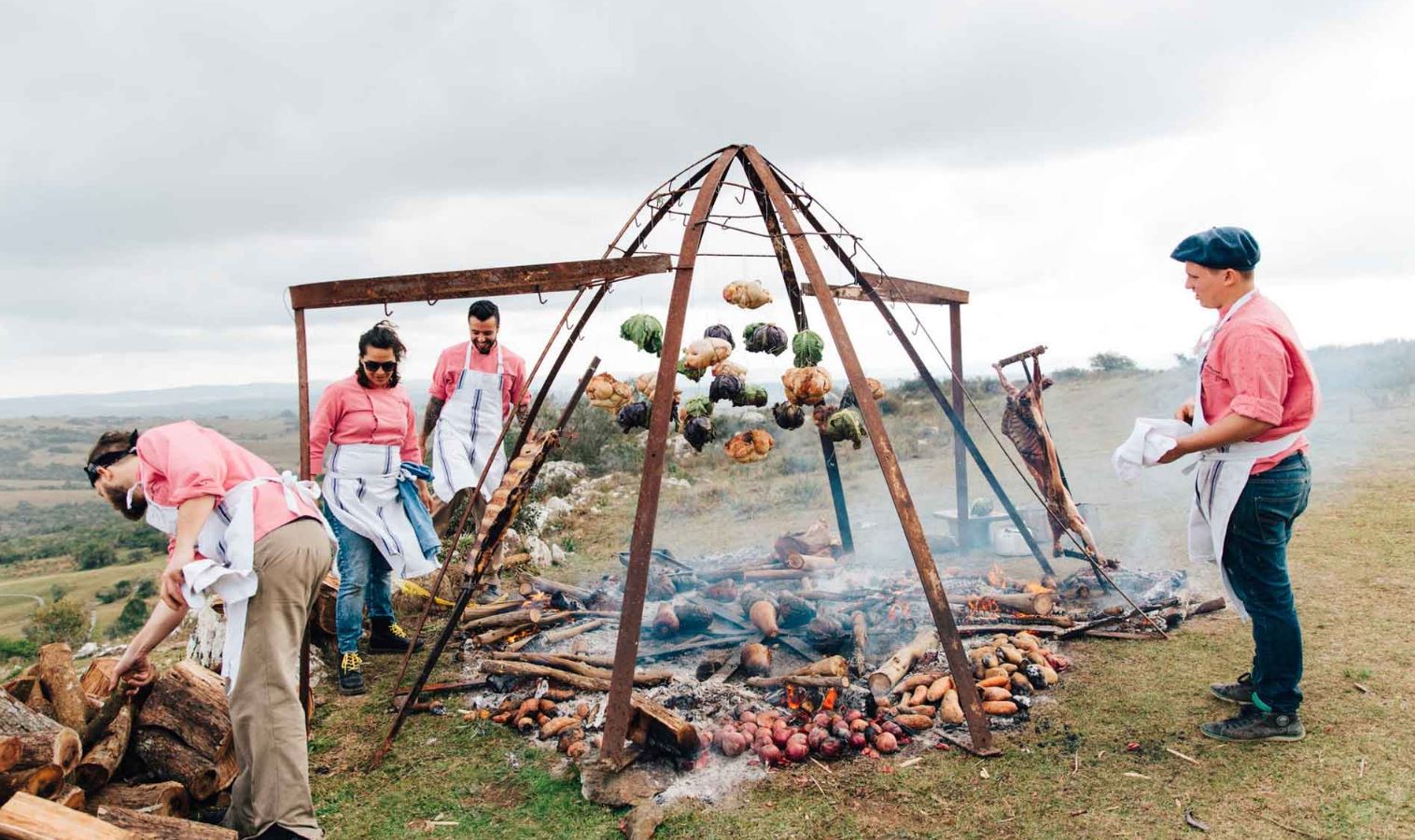
Journeys outside the kitchen sharpen a chef’s senses, reshape menus, and build bridges from one table to another
Arrival Begins at the Market Gate
Chefs often meet a new city through its market at sunrise, where crates speak a language that needs no translator, and the first walk among herbs, baskets, and calls from stallholders sets the tone for every plate that follows.
Street Carts as First Teachers
Small stands show a city’s priorities with absolute clarity since each bite must carry comfort, speed, and value, and cooks learn portion rhythm, heat control in tight spaces, and the way a sauce can travel in a pocket with pride.
Train Platforms and Portable Meals
Food eaten while the ground moves requires clean flavor and quick structure, so rice triangles, stuffed breads, and skewers teach lesson after lesson about texture that survives travel without losing heart or scent.
Guest Seats in Home Kitchens
Invitations to family tables reveal everyday practice that restaurants rarely show, because a grandmother’s simmer and a cousin’s quick pickle explain a culture’s patience and a culture’s impatience better than any guide.
Spice Alleys and Nose Maps
Wandering through lanes filled with sacks of pepper, chiles, and seeds creates a private atlas in the mind, and later in a quiet prep room the memory of those scents guides blends with more accuracy than any spreadsheet.
Learning to Shop by Ears
In many ports and plazas sound sells freshness as clearly as color, the knock on a melon, the clack of shells, the hiss from a pan, and chefs begin to buy with their ears as much as with their eyes.
Salt Air as Ingredient
Coastlines flavor people as much as fish, and cooks who spend time near docks learn to respect short season catches, delicate chilling, and the value of simple heat that lets the sea keep speaking from the plate.
Mountain Roads and Slow Stoves
Villages at altitude insist on stews, grains, and dairy that calm a cold evening, and visiting chefs adopt patience that only long fires can teach, which later steadies a busy service far from that ridge.
Desert Lessons in Restraint
Dry regions show how a cook can prosper with minimal water and maximal perfume, and travelers bring home strategies for preserving, for spice that blooms without burning, and for fruit that carries sun like a story.
River Towns and Pickle Logic
Communities along slow water often master sour, sweet, and salt in the same jar, and a chef who pays attention returns with jars that tidy a menu and steady flavor when produce wavers.
Ferry Crossings and Soup Bunks
Boats that carry people and trucks also carry broths, and bowls served among ropes and gulls prove that temperature and timing can hold hospitality steady even when the room sways.
Temple Fairs and Festival Pace
Travel during sacred days reveals how faith and flavor dance together as sweets, breads, and shared stews move on a schedule set by bells or prayers, and this rhythm teaches respect for time beyond the ticket machine.
Language Through the Ladle
New words come faster when a cook learns to ask for bones, greens, or a certain cut, and those words hold meaning inside the wrist later, because the body remembers how a vendor nodded or frowned as clearly as grammar remembers a rule.
Farms at the Edge of Town
Chefs who leave the center learn planting calendars and soil personality, then they plate with a sense of debt that changes how they trim asparagus, wash roots, and price a simple salad with honesty.
Night Markets and Neon Smoke
Travelers who cook fall in love with stalls that open after sundown, because the glow, the clang, and the crowd teach how to layer sound and aroma, and how to keep pace without losing care for hands that wait.
Breakfast as a Map of Values
What a place eats in the morning explains hunger, work, and comfort, and chefs come home from journeys with new first bites for staff meal, which reshape energy for the entire day.
Tea Houses and Listening
Slow rooms that pour leaves into cups show how to pace a service without losing revenue, and visiting cooks learn to set arcs that breathe, giving guests a reason to remember rather than a reason to rush.
City Buses as Flavor Classes
A ride with windows open brings food to the seat, fried dough, grilled meat, bright fruit, and a cook notes which smells travel far and which need closeness, an insight that later guides sauce intensity and garnish size.
Cookbook Stalls and Memory Prices
Secondhand stands by stations or parks sell notes from previous kitchens, scribbles in margins, and conversion charts drawn in pencil, and this paper inheritance becomes as valuable as a new piece of gear.
Hostels and Chef Friendships
Bunks near terminals create alliances that last for years, cooks share vendor lists, argue about stock, and trade shift meals, then visit one another’s rooms and leave small improvements behind like secret gifts.
Hotel Breakfast Trays and Portion Truths
Buffets expose real appetite without a server’s script, and a chef who watches learns portion control that respects hunger and avoids waste, useful knowledge that follows them home.
Rainy Days and Soup Carts
When weather turns, cities reveal shelter near steam pots, and travelers learn which spices warm without weight and which starches steady the body without sleepiness, lessons ready for the next cold season back on the line.
Salt Fields and Handwork
Seeing crystals form in pans under sun turns finishing salt from garnish into labor, and a cook who carries that sight seasons with humility, choosing texture and timing with care that guests can feel but cannot name.
Ferries to Islands Small as a Field
Tiny communities cook with what arrives that day, and visiting chefs practice substitution without grief, building menus that flex while keeping faith with the idea of place.
Train Dining Cars and Heat Math
Watching a cook sear on a rocking stove explains pan choice and oil depth better than lectures, and the memory returns during a Saturday rush when a station tilts toward chaos and steadiness wins.
Border Crossings and Blended Plates
Lines on maps blur in pots, and cooks who eat near checkpoints taste how doughs, stews, and pickles trade ideas without permits, a reminder that menus can welcome neighbors with grace.
Mountain Inns and Fireplaces
Rooms that warm travelers with wood and soup teach restraint, because a single pot with root, grain, and herb can lift mood without spectacle, a truth that reduces noise back in the city.
Fish Auctions at First Light
Watching buyers check eyes and gills at speed trains a chef to judge quality in seconds, and that speed saves a walk in from careless choices many months later.
Opera Houses and Intermission Snacks
Grand venues sell small bites that must be elegant yet quick, and chefs learn how to pack perfume into two bites and how to design a tray that moves through a crowd like water.
Train Delays and Creativity
Stranded hours become recipe labs, where a cook lists ideas that always lost to noise back home, then returns with a new pickle, a new stock, or a better way to finish a grain bowl with light and lift.
Embassy Receptions and Quiet Politics
Travel sometimes includes rooms where plates say what words cannot, and chefs study how servers explain origin, how portion sizes send messages, and how a dessert can thank without a speech.
Village Bakeries and Daily Calendars
Shops that sell rounds at dawn and sweets at dusk teach pacing, fermentation that matches footsteps, and a sense of when a town expects a smell in the street, knowledge that guides timing for a bread course later on.
Flea Markets and Tool Hunts
Old knives, ladles, and spice mills wait among records and lamps, and a chef who collects wisely gains history and function, then sets a station with tools that carry stories into the workday.
University Canteens and Crowd Wisdom
Lines of students show preference without filter, which plates vanish first, which soups linger, and the observation refines portions and price points for casual menus back home.
Long Buses to Remote Farms
Hours on worn seats end at fields that change a mind about seed, soil, and patience, and the bus ride back becomes a strategy session on contracts, storage, and the grace of paying fair for hard days.
Off Season Travel for Real Taste
Visiting outside peak months reveals how locals cope with scarcity, dried fruit, preserved fish, and stored grains, and this perspective shapes winter menus with honesty rather than with imported distraction.
Cooking as Thank You to Hosts
Many trips end with a simple meal cooked for new friends, and the act of using their produce with care builds a bridge that no review or post can match, a promise to tell the story right upon return.
Notes Written Before Sleep
Travelers who cook keep a notebook by the bed, capturing a spice ratio, a vendor name, or the sound of a stall at dusk, and those lines later rescue memory when a busy week tries to erase it.
Menus That Carry Souvenirs Without Costume
Back in the home kitchen, souvenirs become techniques rather than trophies, a steam finish for greens, a saline syrup for fruit, a crisp from peel and seed, and guests taste travel without feeling like tourists.
Training the Team With Field Stories
Pre shift meetings turn into small classes where the traveler explains why a certain herb must be torn not chopped, or why a broth wants a low flame, and the whole room levels up without a new piece of equipment.
Vendors Turned Friends
Relationships started on a trip grow into message threads that share weather, crop changes, and ideas, and those messages steer purchasing with more wisdom than public reports ever can.
Mindful Photography, Honest Memory
Chefs who shoot markets and meals with respect bring home images that teach rather than sell, and those photos help train new staff to see hands, tools, and context, not only plates.
Games We Play to Learn a Place
Some teams set challenges on the road, find the best pickle on one street, name the five smells of a station, or taste one fruit in three forms, and these games build a shared palate that survives long after the plane lands.
Ethics of Borrowing
Responsible travel records names and methods, credits sources on menus and in press, pays for lessons when they are offered, and avoids copying without consent, because respect keeps doors open for the next visitor who comes to learn.
What Travel Does to Time
Journeys reset the clock in a kitchen, because new smells slow the mind in a good way, and a cook returns with patience that shows up in better stock, better grill marks, and better listening during the push.
How Distance Makes Home Taste New
After weeks abroad the first bite back in the home city sings with details once ignored, the pepper in the tap water, the grain in the bread, the grass in dairy, and menus begin to honor local traits that had been hiding in plain sight.
Guests Can Tell When a Story Is True
Diners feel the difference between borrowed trend and lived study, and plates that rise from careful journeys earn trust that grows lines at the door, because honesty reads as flavor and as kindness.
The Road That Returns to the Pass
Travel changes a chef by widening curiosity and deepening humility, and when the suitcase slides under the prep table the lessons do not end, they turn into sauces, pickles, breads, and quiet choices that let every guest taste a little more of the world without leaving their seat.