

Maps on the Plate
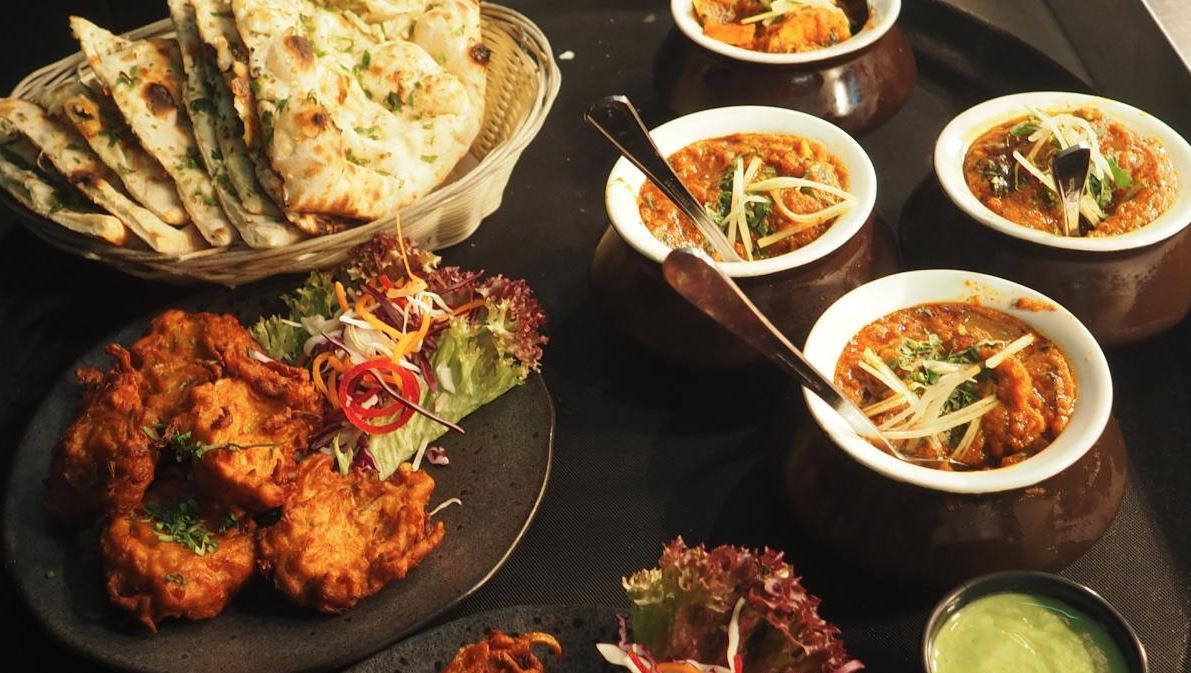
Cross cultural cooking reshapes taste, memory, and the future of dining
Roots of a Traveling Palate
Every era redraws culinary borders through movement, trade, and curiosity. Sailors carried spices that rewrote sauces, merchants moved grains that rebuilt breads, and families brought seeds and stories that adjusted local habits in every harbor they touched. Today the pattern accelerates through migration and connected cities, yet the heart remains constant. People cook to belong, and they fold new flavors into familiar frames until a dish speaks two languages at once. What diners now call global combinations once began as home kitchens that improvised with what arrived in the market that week. From those modest tables came a new grammar of taste that continues to broaden with each shared recipe and each conversation at the stove.
The Pantry Swap as a Creative Engine
Modern cooks reinvent daily staples by trading one ingredient for another that carries a different landscape. Miso steps into vinaigrette where mustard once stood, yuzu brightens a dessert that once relied only on lemon, and harissa lends warmth to soups that previously leaned on black pepper alone. The goal is not to disguise origin but to invite contrast. These swaps create bridges that let old techniques walk into new territories with confidence. A cook who understands the saltiness of fish sauce can balance it with citrus and herbs in places where anchovy and caper once held court. Through the pantry swap, a kitchen turns into a meeting place where regions cooperate rather than compete.
Technique Journeys Across Continents
Methods travel as powerfully as ingredients. Slow braising softens tough cuts in any language, while quick searing brings sweetness from vegetables that might otherwise seem stolid. Chefs pair wok fire with French style reductions to layer speed and depth, or they fold Japanese precision into rustic stews to tidy texture without losing soul. The exchange works both ways. Pastry artists apply laminated dough logic to savory pies with spices from tropical markets, and pit masters borrow curing methods to heighten smoke with nuanced sweetness rather than brute force. Technique becomes a passport that allows a cook to visit new ideas without losing the map home.
Street Markets as Global Classrooms
Food stalls and carts shape the most agile trends because they adapt quickly and respond directly to feedback. A taco seller adds a Korean style glaze after hearing customers rave about sweet heat, and a noodle stand tries a coconut based broth after a supplier offers fragrant stock bones and herbs. These small experiments ripple outward. Restaurants test versions in pop ups, then refine for dining rooms, then publish recipes that travel even farther through social media and streaming platforms. Street markets teach chefs to listen, to price fairly, and to keep flavors bold enough for outdoor air and passing conversation. The lessons then return to formal kitchens where they become polished without losing immediacy.
Plant Driven Pairings With Global Notes
As vegetables gain center stage, cooks search the world for ways to give plants the drama once reserved for meat. Jackfruit learns brisk searing to mimic pulled textures, mushrooms meet tamarind and soy to produce depth that lingers, and legumes soak in citrus and garlic before roasting to concentrate sweetness. Spices add architecture to these plates. Berbere, ras el hanout, garam masala, togarashi, and adobo blends create a scaffold that holds aroma and heat in balance. When a cook treats a carrot like a steak, finishing it with an umami rich glaze and a herbal chimichurri, the result proves that global methods can elevate plants without imitating meat. The plate feels complete, not compensatory.
Fermentation Crossroads
Across cultures, controlled transformation preserves and intensifies flavor. Chefs now combine these traditions to build complexity that feels new yet ancient. Kimchi juices become marinades for grilled seafood, koji tenderizes local grains and beans, and garum inspired sauces derived from vegetables deliver layered savor without fish. Yogurt whey brightens soups while reducing waste, and sourdough starters meet tropical fruit to create breads with perfume and gentle acidity. These meetings of method do not erase origin. They behave like a choir in which every voice remains distinct while contributing to harmony that extends beyond any single region.
Sea and Soil in Conversation
Producers shape fusion as much as chefs. Oyster farmers experiment with algae varietals that change salinity and aroma, giving raw bars new vocabulary. Growers cultivate peppers suited to cooler climates, allowing Northern kitchens to borrow the brightness of equatorial heat without importing every pod. Spice cooperatives map harvest times so that restaurants can choose lots by terroir much like sommeliers choose vintages. When supply chains become stories rather than invisible lines, diners taste place even within a blended menu. The conversation between sea and soil then becomes the quiet structure beneath creative plates.
Sweet Courses That Travel Widely
Dessert reflects cultural exchange with playful confidence. Pastry cooks fold pandan into custards that once relied only on vanilla, set black sesame against white chocolate for graphic contrast, and build tres leches cakes with coconut milk and citrus to echo tropical rain. Textural balance matters as much as flavor. Sticky rice pairs with frozen mousse for a dialogue between warmth and cold, while brittle pralines crash gently over soft puddings that carry floral syrups from distant orchards. By treating sugar as a conductor rather than a dominant note, desserts welcome spices, herbs, and even savory whispers. The final course becomes a postcard sent from many kitchens at once.
Liquid Journeys in the Glass
Beverage programs mirror the plate in range and curiosity. Bartenders infuse spirits with lemongrass, roast pineapple for syrups that hold smoke and brightness, and use tea as a bittering element where only citrus once ruled. Non alcoholic pairings gain equal craft through shrubs flavored with tamarind or hibiscus, kefir based spritzers that carry gentle lift, and cold brews infused with cardamom that echo spice routes from centuries past. These drinks do more than refresh. They stitch the meal into a narrative arc, guiding the palate from arrival to farewell with tones that amplify rather than compete with the food.
Designing Plates With Cultural Care
As flavors mingle, presentation grows more thoughtful. Chefs reference patterns, pottery, and serving rituals from multiple regions while avoiding tokenism. A small bowl invites scooping and sharing, a wide plate frames sauces as maps, and a banana leaf liner connects aroma to memory without claiming authenticity that cannot be owned. Color choices respect seasonal produce instead of dye tricks, and portioning follows the intentions of the meal, convivial and abundant for gatherings, focused and quiet for tasting menus. By designing with cultural care, kitchens honor the sources that inspire them while creating a new context that feels sincere rather than ornamental.
Ethics, Ownership, and Credit
Global menus carry responsibility. Respect includes proper attribution, fair payment to collaborators, and accurate storytelling that does not flatten history. Cooks document sources, cite mentors, and partner with producers who hold knowledge that exceeds recipe cards. Training sessions teach staff to speak about dishes with context instead of buzzwords. When a menu explains that a technique came from a neighbor, a grandmother, a fisher on the pier, or a book written by a community historian, the dining room becomes a place of learning as well as pleasure. Transparency builds trust, and trust lets creativity flourish without harm.
Home Kitchens as Trend Laboratories
Many combinations begin not in restaurants but in apartments where cooks adapt to local markets and family preferences. A student learns a noodle method from a video, mixes it with pantry spices collected from visits to friends, and posts a short clip that gains attention overnight. Community comments shape the next version, and within weeks a dish travels from home to cafe to bistro. This loop democratizes inspiration. Professionals now watch home cooks to understand cravings and to read the mood of a city. The cycle also reminds restaurants that comfort and surprise can share a plate gracefully when ideas are tested where people actually eat every day.
Learning Through Residencies and Exchanges
Chefs advance their craft by swapping kitchens for a season. A cook from a coastal town spends a month in a mountain lodge to study mushrooms and game, while the host travels later to learn shellfish and sea vegetables. Both return with techniques that fit their landscapes in fresh ways. Schools and collectives support these exchanges with shared resources, allowing smaller teams to benefit without strain. The result appears on menus as subtle shifts rather than loud gestures. A sauce gains a forest note, a dumpling wrapper acquires elasticity from a new flour, and a breakfast pastry hints at miso sweetness. Education then looks like hospitality extended across borders.
Data Guided Pairings With a Human Heart
Flavor mapping through artificial intelligence suggests combinations based on shared compounds, giving cooks a set of possibilities that would take years to test by hand. Yet human memory and cultural knowledge decide which suggestions make sense for a table and a story. A machine may propose strawberry with coriander and aged soy, and a chef will taste and adjust until a respectful arc appears. Numbers reveal pathways, but experience chooses how to walk them. The partnership shortens the distance between curiosity and validation, letting teams spend more time refining texture and balance for real guests rather than chasing endless trials without direction.
Waste Conscious Creativity
Sustainability pushes fusion toward responsibility. Cooks reimagine trimmings through global frames, turning citrus peels into spiced syrups, mushroom stems into smoky broths, and rice rinse water into starters for gentle ferments. Bread that might grow stale becomes crisp crumbs scented with zaatar, bones transform into glazes laced with molasses or date syrup, and greens that seem too tough receive long steeps in coconut milk and aromatics. This practice honors both planet and tradition, since many cultures already perfected the art of using every scrap. The modern twist lies in sharing methods openly so that conservation feels creative rather than restrictive.
Nutrition and Comfort in Balance
Cross cultural menus now aim for vitality as well as pleasure. Broths carry collagen and minerals without heaviness, salads feature legumes and seeds for steady energy, and desserts trade some refined sugar for natural sweetness that brings nuance instead of fatigue. Fermented elements support digestion while adding spark, and spice blends deliver flavor that helps reduce reliance on excess salt. Health becomes a design principle rather than an afterthought. The goal is not denial but harmony, a meal that leaves guests brighter and curious rather than tired and dulled.
Children as Adventurous Diners
Families shape trends when children meet new flavors early and without pressure. Tasting menus for kids introduce gentle heat with yogurt to soften spice, teach sour through pickled fruit, and show umami with mushroom gravies that feel playful over rice. When young diners grow up with this range, they demand variety with ease. Restaurants respond by offering sampler plates that let a table explore multiple regions in one meal without cost or confusion. The next generation then carries a wide palate into adulthood, ensuring that fusion remains a living conversation rather than a fleeting fashion.
Travel Without Airplanes Through Taste
Not every journey requires a ticket. Chefs collaborate with local cultural centers, musicians, and visual artists to create nights where the room shifts theme through sound and scent while the menu walks along a coastline or through a mountain pass. Diners learn a few words in a new language, hear a story from a farmer, and taste an ingredient they can buy at a neighborhood store the next day. The experience feels transporting yet grounded. By fostering access to ingredients and knowledge, restaurants empower communities to continue the journey at home, which in turn feeds the cycle of innovation.
Pricing and Access That Welcome Everyone
For blended cuisine to grow with integrity, it must be reachable. Teams build prix fixe options that honor labor while staying approachable, set lunch menus that circulate ideas to students and workers, and provide small bites that let guests sample combinations before committing to larger plates. Partnerships with community groups support discounted cooking classes where techniques and stories pass freely. When access widens, trends strengthen because feedback becomes honest and diverse. The menu then reflects a city rather than a narrow slice of it.
Media Literacy for Honest Food Stories
As images travel quickly, diners learn to evaluate claims with care. A dramatic garnish may look global yet add little, while a quiet broth might tell a moving history with every sip. Writers and hosts who study context help audiences separate surface from substance. Restaurants that publish sourcing maps, cultural notes, and glossary cards invite curiosity rather than hiding behind mystery. Media literacy turns hype into learning and lets fusion mature from trend into thoughtful practice that can endure seasons rather than weeks.
The Restaurant as Cultural Library
Some dining rooms now curate shelves of cookbooks and oral histories that guests can browse while waiting for a table. Staff recommend titles that influenced the menu, and visiting authors host talks that link recipes to memory and geography. This library model changes the rhythm of dining by adding reflection to appetite. Instead of treating a meal as a single event, the restaurant becomes an ongoing resource where people return to keep reading through taste. The space shifts from commerce alone to community exchange, which in turn nourishes more careful blending on the plate.
The Road Ahead for a World on One Table
The most durable path for global cooking lies in respect, generosity, and endless curiosity. Cooks will continue to weave ingredients and methods from many places, yet they will do so with clear credit and a sense of stewardship for land and labor. Diners will look for dishes that feel both surprising and sincere, and they will reward kitchens that listen as closely as they invent. Markets will bring new harvests that change the palette again, educators will share the roots of tradition, and technologists will offer tools that shorten the distance between vision and plate. The future does not flatten difference. It invites difference to harmonize, so that a single menu can hold many stories at once and every bite can taste like a friendship forming in real time.