

Old Roots New Plates
Cooks give classic dishes fresh life without losing the voices that built them
The Promise Inside a Handed Down Recipe Card
A stained card tucked in a drawer carries more than measurements. It holds breath patterns, kitchen rhythms, and the steady patience of someone who made the same dish through storms and celebrations. Reimagining that card begins with listening. The first step is to learn the original textures and aromas with care, then to ask what the card wanted to say about place and time. Once the foundation feels steady, a cook can tilt the angle, adjust the light, and uncover a new silhouette that still speaks the same language. Reinvention becomes a promise kept, not a heritage erased.
Flavor Structure Before Flash
Every traditional dish balances salt, fat, acid, heat, and aroma in its own geometry. Reinterpretation starts by mapping that structure so that changes do not break the frame. A red sauce depends on soft sweetness from long cooked tomatoes, a gentle bitterness from olive fruit, and acidity that lifts the finish. If the tomatoes are replaced with roasted peppers or slow cooked carrots, the cook must restore acidity with vinegar or citrus and restore savory depth with anchovy or miso. The plate can look new and still feel familiar because the architecture of flavor remains upright.
Pasta Lessons for the Grain Next Door
Grandmothers across regions taught elasticity with wheat and water. Modern kitchens extend those lessons to other grains. Buckwheat adds nuttiness to ribbons that welcome mushrooms and charred greens. Millet flour lightens dumplings that once used only potato. Sorghum lends gentle sweetness to hand cut noodles that sip broth like old friends. Each swap demands technique shifts, such as longer hydration or a touch of psyllium for binding. The reward is a new texture that honors the old tug while inviting people with different needs and preferences to join the table.
Broths That Carry New Stories
Stockpots built the backbone of countless traditions. Reimagined versions expand the pantry while preserving comfort. A classic chicken broth can learn ginger and scallion for lift, or star anise for warmth that lingers without weight. Vegetable bases gain heft through roasted onion skins and mushroom stems, while kelp supplies minerals and a gentle ocean echo. Pressure cookers compress time without stealing soul when bones are cracked to expose marrow and aromatics are browned with restraint. A bowl that once spoke of one village can now speak of several, yet it still quiets the same hunger.
Ferment Wisdom Old and New
Pickles, curds, and sour loaves kept households thriving long before refrigeration. Recasting these traditions means pairing ancient knowledge with careful measurement. Brines can sing with citrus peel, tea leaves, or herbs from a balcony garden. Yogurts cultured at home meet roasted fruit and olive oil for savory breakfasts that share a table with both mezze and farmhouse spreads. Sourdough starters welcome local grains and seasonal purees, while salt cured chilies add brightness to stews that once relied only on pepper. Each jar writes a gentle letter to the past while delivering a lively present.
Fire Management for New Outcomes
Classic roasts and braises teach patience, yet a change in heat can reveal hidden paths. A stew that simmered on a back burner can begin with a quick char that adds smoke before the slow work starts. An old family roast chicken may trade its wide pan for a deep skillet so flavorful fat gathers for glazing near the end. Vegetables once boiled until soft can be blistered first, then steamed with aromatics to trap both sweetness and snap. The result reads like the original story, only with new punctuation that keeps the reader awake.
Legumes With a Different Accent
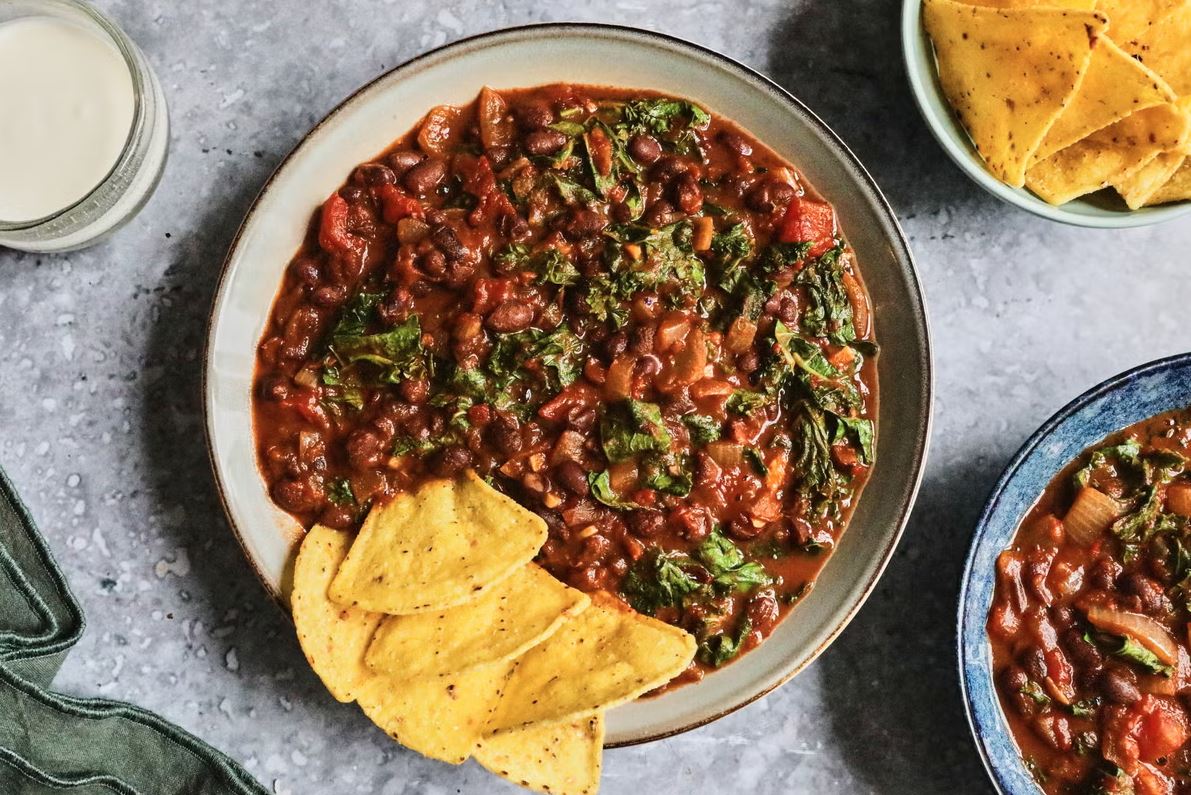
Beans and lentils have nourished generations because they carry comfort at a fair cost. Modern spins keep frugality while heightening complexity. A rustic bean soup gains brightness from preserved lemon and fennel tops. Lentils cooked in a clay pot receive a spoon of tahini and a drizzle of chili crisp, linking regions through texture. Chickpeas roasted with garlic and rosemary meet a splash of pomegranate reduction that turns the finish tart and playful. The bowl remains humble, yet the conversation around it grows wider.
Sweets That Honor Restraint and Memory
Many desserts traveled through time with generous sugar because celebration asked for abundance. Today, balance defines luxury. Rice pudding echoes its original creaminess with coconut milk and citrus leaf, and sweetness shifts toward dates or honey. Apple pies keep their tender layers but gain depth from rye crusts and a brush of miso in the filling for warmth. Custards learn the perfume of rosemary or bay, then cool beside olive oil shortbread that crumbles with dignity. These changes respect the tenderness we seek after a meal while leaving the body bright rather than heavy.
Sauces That Carry Two Histories
Grand sauces tell long stories. Shortening the tale does not mean losing meaning. A béchamel can learn vegetable puree for color and nutrition without losing silk. Classic tomato sauce can accept charred pepper paste for smoke or a splash of fish sauce for a low note that lingers. Chimichurri stays lively yet deepens with citrus zest and toasted seeds. The point is not novelty. The aim is to retain purpose. A sauce still binds, softens, sharpens, or steadies, only now it also introduces a new chapter to an old book.
Bread Baskets That Reflect a Wider Field
Daily loaves evolve when mills and markets diversify. Families bake with blends that include spelt, einkorn, or teff, each adding perfume and mineral nuance. Flatbreads that once saw only wheat meet cornmeal or cassava, which changes the crunch and opens doors for those seeking different grains. Starters bubble with fruit water from raisin soaks, capturing wild yeast in ways older bakers know by feel and younger bakers can now measure. The meal begins with a slice that tastes like history and tomorrow at once.
Vegetable Centerpieces With Ancestral Echoes
Many traditional feasts highlighted meat because scarcity made it special. Reimagined menus lift vegetables into the spotlight without imitating other foods. A whole cauliflower poaches in spiced broth, then receives a nut and herb crust that shatters delicately. Beets bake in salt and vinegar within a sealed dish so steam perfumes the flesh, after which they bathe in cultured cream with dill and citrus. A cabbage roasts slowly until the core turns buttery, then sits beneath a glaze built from pan juices and mushroom garum. The feast keeps its ceremony while its centerpiece becomes a garden.
Street Food Raised to Dining Room Grace
Beloved snacks thrive because they travel well and satisfy quickly. Bringing them to the table of a sit down meal requires attention to proportion and temperature. A handheld fritter transforms into a composed plate when supported by bitter greens and a bright relish that cuts richness at the right moment. A skewer known for char gains refinement from a resting step and a final brush of glaze while warm, not hot. A stuffed pastry keeps its soul when the crust shatters neatly and the filling remains generous yet balanced. Respectful elevation does not strip character. It offers better lighting and a comfortable chair.
Dairy Memories With New Neighbors
Butter and cheese have deep roots in family cooking. Recasting them invites new pairings while maintaining comfort. Brown butter meets citrus and capers for a sauce that graces grilled fish without flooding it. Fresh cheeses sit with charred fruit and black pepper for a savory dessert that nods to farmhouse tables and city cafes alike. Yogurt strains overnight to yield labneh that anchors salads studded with roasted carrots, nuts, and herbs. The dairy remains a gentle anchor, steadying flavors that wander farther than before.
Holiday Dishes That Travel Kindly Through Time
Celebration menus carry tradition in the highest relief, which makes change feel delicate. Thoughtful updates focus on pacing, digestibility, and variety. A heavy centerpiece shares the stage with a bright salad of bitter leaves, citrus, and toasted seeds. Stuffings lighten with wild rice and vegetables that stay distinct. Gravies skimmed with care gain clarity and shine rather than weight. Desserts come in small sizes that encourage tasting and conversation. The spirit of gathering survives with ease when the table shows balance and mindful abundance.
The Teacher at the Stove
Transformation does not happen alone. Older cooks share muscle memory that no book can hold, and younger cooks bring tools that track temperature and time with precision. Side by side they test, adjust, and taste again. A nonna explains why dough rests by feel, and a student records hydration and ambient humidity. A street vendor demonstrates how to read smoke, and a pastry apprentice uses that knowledge to control caramelization across a new spectrum. The kitchen turns into a classroom in which both chalk and touchscreen have a place.
Tools That Bend Tradition Without Breaking It
Clay pots, cast iron, and wooden paddles shape flavor as surely as ingredients do. New gear can join the set respectfully. A combi oven mimics a hearth by controlling humidity so crust forms while crumb stays tender. Induction gives rapid heat to woks when fire is not available, preserving the bounce that stir fries demand. Immersion circulators keep custards precise so flavors like saffron and bay show cleanly. None of these tools replace intuition. They simply widen the road that leads to the same destination, a dish that tastes complete.
No Waste as a Return to Wisdom
Ancestors wasted little because they could not afford to. Reimagined classics follow that wisdom with creativity. Bones become glossy sauces that bless several meals, citrus peels candy into bright garnishes, and stale bread turns into dumplings or crumbs scented with herbs. Greens from root vegetables simmer into broths or blend into vibrant sauces that rescue a quiet plate. When scraps become treasures, the budget stretches and the flavor library grows. The old rule still guides the modern kitchen. Respect what you have, and it will respect you back.
Healthful Tweaks That Keep Soul Intact
Some updates seek better balance for everyday eating. Salt disperses through flavored oils and spice blends so less does more. Frying shares duties with roasting and air circulation so crisp remains while heaviness fades. Richness arrives through nuts, seeds, and cultured dairy so satisfaction lasts longer. These changes are not about denial. They aim to preserve the comfort that drew people to the dish in the first place, while ensuring that comfort lingers as lightness rather than fatigue.
Plating That Tells a Truer Story
Presentation once followed banquets piled high. Modern plates choose clarity and proportion that guide the eater through a narrative. Sauces rest under rather than over so texture remains clear. Herbs are torn close to service so scent rises at the first glance. Components sit with intention so bites can include contrast without hunting. The design respects the labor of the cook and the attention of the diner. A reimagined dish should read in a single glance yet reveal detail across the meal.
Credit, Context, and Kindness
Updating a classic carries responsibility. Menus and conversations should name sources, teachers, and regions. When a technique or spice mix comes from a neighbor or a book or a festival lesson, the credit belongs beside the dish. Staff training includes pronunciation and brief histories that honor the people who carried the recipe through time. This practice does more than prevent confusion. It builds trust, and trust allows innovation to live comfortably with heritage.
Home Kitchens as Laboratories of Love
Many of the most moving updates begin in small apartments with uneven stoves. A parent reshapes a festival dish to fit a weeknight, or a student recreates a childhood stew with market substitutes. Notes fill the margins. Less liquid next time, toast the spices longer, try lemon zest. These quiet tests ripple outward as friends share bites and ideas. Restaurants later refine the approach, but the pulse of the change remains domestic. The hearth still leads, even when the plate shines beneath a bright light.
Travel Through Markets Not Museums
When cooks search for new angles on old dishes, the market teaches faster than the archive. A vendor explains why one pepper heats slowly and another strikes quickly. A fisher shows how cold water changes texture and how to treat the catch gently from boat to pan. A miller offers flour with a story of soil and season. These lessons fold into recipe updates that feel honest. The plate becomes a map of relationships, not a collage of borrowed signs.
Testing Menus With Open Ears
Reimagined classics grow stronger when feedback flows. Small tastings with elders who know the dish well reveal where memory needs respect. Younger diners explain what excites them and what tires them. Servers report which plates return empty and which leave a trail of untouched garnish. The team adjusts quietly. Less sweetness here, more herbs there, a warmer plate so the sauce stays silky. Iteration turns a clever idea into a trustworthy companion that diners request by name.
The Table Where Past and Future Shake Hands
When a traditional recipe meets a careful imagination, the room feels both anchored and awake. The spoon encounters a flavor that once soothed a grandparent and now brightens with a new accent. Plates arrive that protect lineage while inviting play. This is how cuisines stay alive. They keep telling the same beautiful stories through fresh voices, and they welcome more people to listen. The table becomes a place where memory and curiosity share bread, where gratitude sits beside invention, and where tomorrow learns good manners from yesterday while still speaking in its own clear tone.