

The Quiet Storm Inside the Kitchen Walls
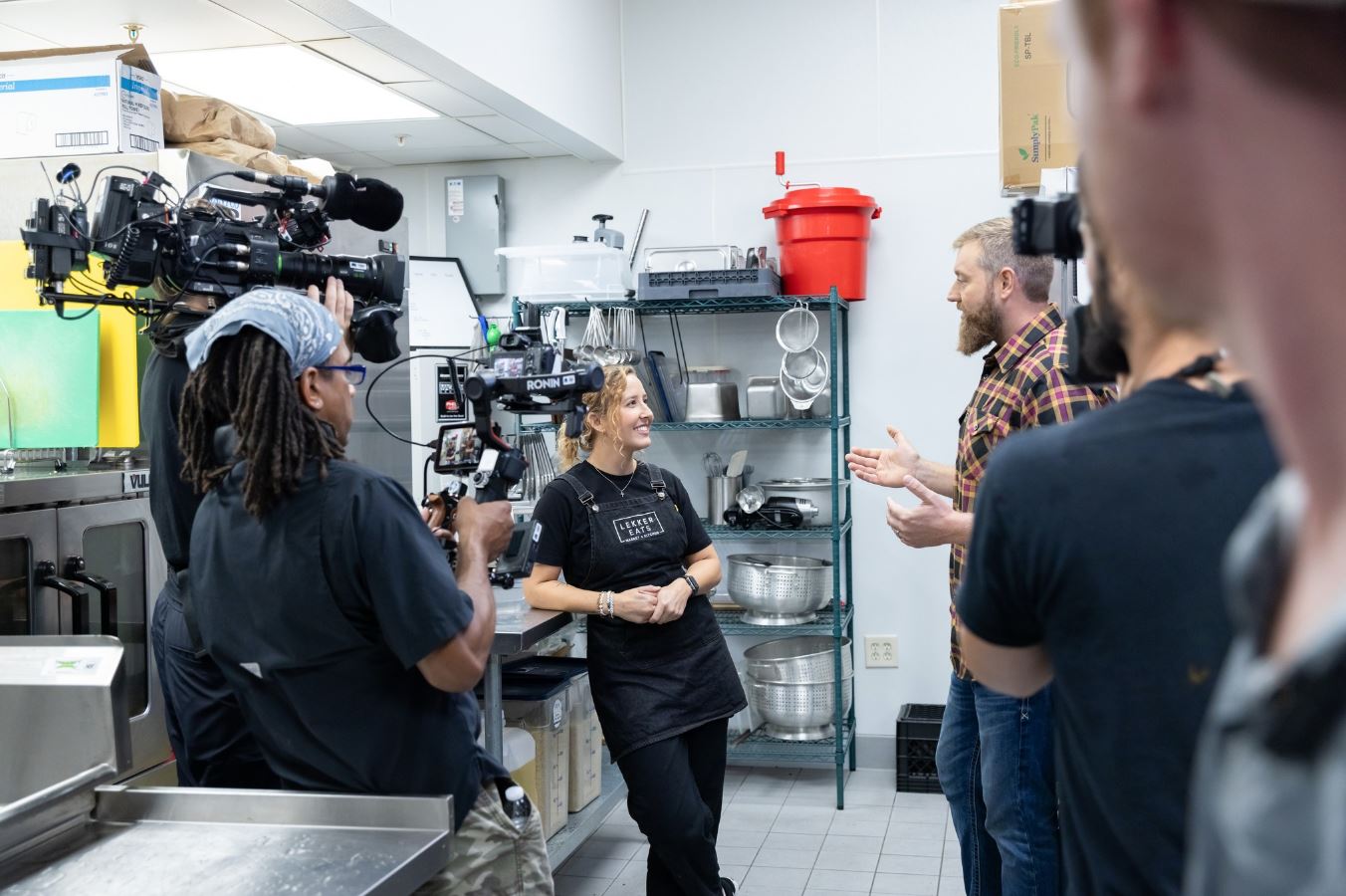
Unveiling the Rhythm, Pressure, and Passion of a Chef’s Hidden World
The Invisible Dawn Before Service
Long before the first guest steps into a dining room, the heartbeat of the kitchen has already begun. The early hours belong to those who prepare without applause. Chefs arrive when the world outside is still silent, unlocking doors to walk into a space filled with yesterday’s scent of herbs and smoke. The day starts with inventory checks, slicing, marinating, and quiet calculations of what might go wrong. These hours before service shape the rest of the day. Each decision carries weight, from how fish is stored to how knives are sharpened. In the soft hum of refrigeration and the glow of prep lights, chefs move methodically through rituals of readiness. Their work is both mechanical and meditative, where precision hides behind simplicity. Every cut and stir becomes a silent rehearsal for the chaos that will soon arrive.
There is an intimacy to these unseen mornings. The clinking of utensils becomes language, the sound of simmering stock an early form of communication. For many chefs, this time is sacred. It is the calm before intensity, the only moment when control feels absolute. They breathe, plan, and align. Once service begins, the kitchen transforms into something entirely different. The serenity of preparation will soon collide with urgency, and the rhythm of calm will surrender to the pulse of demand.
The Pulse of Controlled Chaos
As service begins, the kitchen turns into an orchestra of motion. Every section has its tempo, every cook their cue. The chef stands at the center, not as a conductor who merely directs, but as a performer who plays alongside the others. Voices rise, pans hiss, and knives strike cutting boards in rhythmic precision. It is a sensory storm where heat, sound, and movement blur together. Chefs often describe this period as both exhilarating and punishing. Adrenaline replaces fatigue, and focus narrows until the outside world ceases to exist. Orders slide across the pass, and hands move faster than thoughts can form. Mistakes are inevitable, yet recovery defines professionalism. A burned steak, an undercooked risotto, or a missing garnish becomes an instant problem that must vanish as quickly as it appears.
During this rush, communication becomes instinctual. There is no time for full sentences. A single word, a glance, or a nod communicates urgency. Respect is earned through competence, not conversation. The heat can feel endless, yet every chef learns to breathe through it. The goal is not perfection but flow. To stay within rhythm even when the tempo quickens. The true mastery lies in how a chef manages energy, maintaining calm while the kitchen burns bright with noise and flame.
The Language of Burns and Scars
Behind every seasoned chef is a map of scars that tell their history. Burn marks trace lessons learned too late. Cuts record nights of exhaustion when concentration slipped for half a second. These physical reminders become part of a chef’s identity, badges earned through repetition and risk. Kitchens do not forgive distraction. Yet within this physical toll lies pride. Pain transforms into memory, teaching lessons that no textbook could deliver. Chefs speak of their injuries with the same reverence as their accomplishments. Each mark holds a story about endurance, humility, or mistake turned into mastery.
Beyond the visible wounds are the invisible ones. The long hours, the pressure to perform, and the weight of expectations create emotional fatigue that rarely finds release. The culture of toughness has begun to change, but the echoes of silence still remain in many kitchens. Conversations about balance and mental health are slowly finding space beside discussions of plating and technique. The next generation of chefs aims not only to perfect dishes but also to preserve well-being. This evolution marks an important shift, where strength is measured not by how long one can endure suffering, but by how one sustains passion without burning out.
The Camaraderie Forged in Fire
No one survives the heat of service alone. The bonds between chefs and cooks are built through shared adversity. A kitchen is a microcosm of trust, where every person depends on another’s timing and consistency. When one station falters, the entire rhythm stumbles. Through repetition, a silent choreography emerges. Chefs learn to read body language, to anticipate when someone needs help without words being spoken. This mutual understanding creates a form of friendship that exists outside conventional boundaries. It is built not on leisure or shared interests, but on survival and respect.
Many chefs describe the kitchen as a second family, though not always a gentle one. It is a family forged through pressure, laughter, exhaustion, and triumph. Arguments happen, tempers flare, yet forgiveness arrives as quickly as frustration fades. After service, camaraderie replaces conflict. Staff meals and late-night drinks become sacred rituals where the noise softens into gratitude. These gatherings remind everyone that the effort mattered, that the chaos had purpose. The deeper truth behind this fellowship is that it transforms labor into belonging. The kitchen, though demanding, becomes a place of identity and collective pride.
The Hidden Discipline of Creativity
To outsiders, creativity in cooking appears spontaneous. Yet behind every beautiful dish lies a structure of discipline that few see. Chefs spend years mastering fundamentals before innovation becomes instinctive. Technique anchors imagination. Without it, creativity collapses under inconsistency. The discipline manifests in endless repetition, from the perfect dice of vegetables to the steady emulsification of sauces. Only after this mechanical precision becomes second nature can a chef truly improvise. Inspiration then flows through practiced hands, allowing ideas to take shape without hesitation.
The creative process rarely happens in isolation. It grows through observation, memory, and conversation. A new dish might begin with a scent remembered from childhood or a flavor discovered while traveling. In the kitchen, experimentation involves both science and risk. Sometimes success arrives after dozens of failures. Other times, a mistake reveals an unexpected combination that reshapes an entire menu. Behind the scenes, chefs engage in this ongoing dialogue between tradition and invention. Every plate served represents a moment of that dialogue materialized through texture, aroma, and taste.
The Weight of Expectation and Perfection
Perfection is both a guiding principle and an unrelenting adversary in the life of a chef. Each plate leaving the pass is a statement, a reflection of pride and skill. Yet this pursuit of flawlessness can become consuming. One missed seasoning, one uneven presentation, can overshadow an entire service in the mind of a chef. Expectations from guests, critics, and management often create invisible tension that lingers long after the shift ends. Chefs internalize these standards, shaping their identities around consistency and reputation. The fear of failure coexists with the thrill of excellence, creating a paradox that fuels ambition while threatening peace of mind.
Behind closed doors, chefs speak of the mental toll this perfectionism demands. It becomes a mirror that never fully reflects satisfaction. Even success feels temporary, replaced quickly by the next challenge. Yet within this endless pursuit lies the beauty of the profession. Chefs live for moments when everything aligns: the flavors harmonize, the team moves as one, and silence fills the room as guests take their first bite. These fleeting victories justify the struggle. They remind every chef why they endure the intensity, because somewhere within that pursuit of perfection, meaning is found.
The Soundtrack of the Kitchen Night
After the last ticket is fired and the final plate leaves the pass, a different rhythm takes over. The kitchen breathes again. Pans cool, lights dim, and the clatter fades into a gentle hum. Cleanup becomes ritual, almost therapeutic. It is a moment of release, where the adrenaline subsides and fatigue takes its rightful place. In the quiet, chefs reflect on the service that just ended. They remember what went right, what faltered, and what can be better tomorrow. These closing moments, often unseen by diners, are the emotional punctuation marks of the day. They signify closure not through applause but through repetition and reflection.
Outside, the city sleeps or stirs, indifferent to the exhaustion unfolding within the kitchen walls. Yet for those who live this rhythm, the night holds its own reward. Some chefs stay behind for one last taste of something simple, like a crust of bread dipped in sauce or a spoonful of leftover soup. It is not about hunger but acknowledgment. It is a small ceremony that honors the day’s labor and signals readiness to start again when morning comes. The life of a chef moves in cycles of intensity and release, always returning to the same fire that started it all.
The Balance Between Art and Sacrifice
Behind the glamour of culinary artistry lies the unspoken cost. The pursuit of excellence often demands personal sacrifice. Birthdays, holidays, and quiet weekends fade into memory, replaced by the relentless tempo of service. Many chefs struggle to balance their creative devotion with relationships outside the kitchen. Yet for those who stay, the calling outweighs the cost. Cooking is not a profession that can be performed halfway. It consumes, challenges, and rewards with equal force. For many, it becomes both identity and purpose, a lifestyle shaped by heat, repetition, and unending curiosity.
The balance comes not through escape but through acceptance. The chefs who endure longest learn to find beauty in the smallest moments. The smell of a perfectly roasted bone, the gleam of sharpened steel, or the first quiet laugh after a chaotic night. These details restore meaning when exhaustion threatens to erase it. In this way, the chef’s life behind the scenes is both brutal and poetic, driven by passion that refuses to dim. It is a world where art and sacrifice coexist, sustained by the eternal promise that tomorrow’s service will bring another chance to create something unforgettable.
The Soul That Stays After the Fire
When the final light switches off and the kitchen returns to stillness, something remains in the air. It is not smoke or scent but essence, a trace of human effort and devotion. The life of a chef is built on these unseen fragments, collected from countless nights of creation and fatigue. To outsiders, the kitchen may seem mechanical or chaotic, but to those who live within it, it is sacred ground. Behind every dish, every shout, every burn, lies a simple truth. The kitchen is more than a workplace. It is a stage where life’s most primal instincts, creation, survival, and connection, play out daily. The fire may fade each night, but the soul of the chef never leaves. It waits, patient and ready, for the next morning when the world begins again with the sound of a knife meeting the board.